Jozani Chwaka Bay National Park

Jozani Chwaka Bay National Park

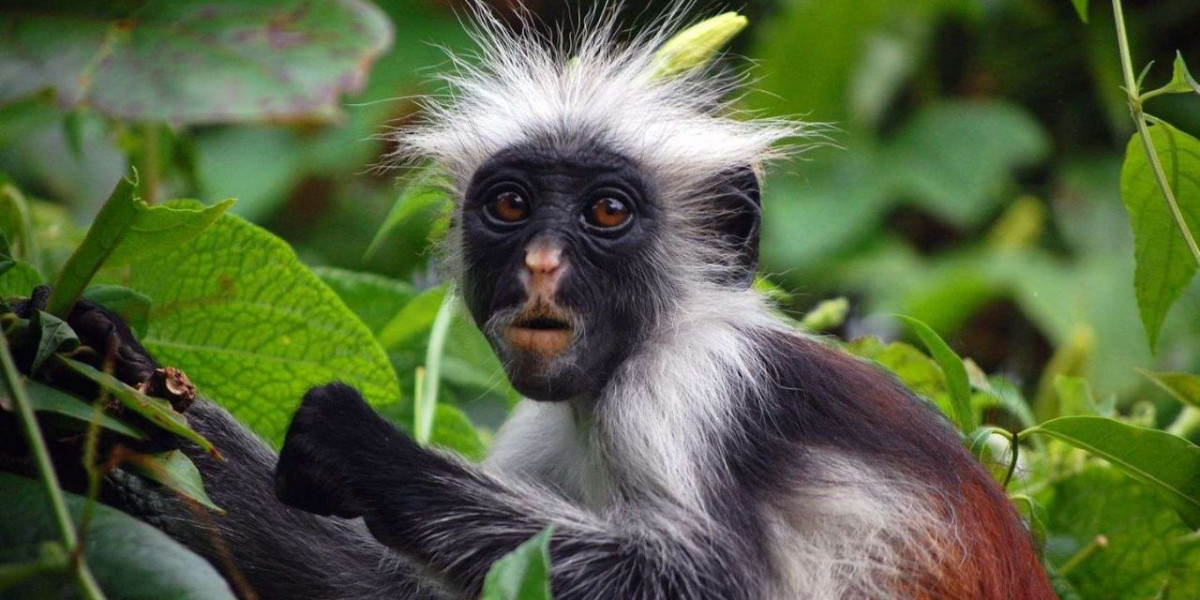
Jozani Chwaka Bay National Park is the only national park in Zanzibar and one of the island’s most important ecological and conservation areas. Located in the central region of Unguja Island, the park is internationally known for its rare red colobus monkeys, tropical forest ecosystems, mangrove environments, and rich biodiversity.
Unlike traditional safari parks focused on large mammals and open savannah landscapes, Jozani offers a rainforest and coastal ecosystem experience centered around forest exploration, conservation, and endemic wildlife species.
The park plays a major role in protecting Zanzibar’s remaining indigenous forest habitats and serves as one of the island’s leading eco-tourism destinations.
Jozani Chwaka Bay National Park

Location

Jozani Chwaka Bay National Park is located in central Unguja Island in Zanzibar, approximately 35 kilometers southeast of Stone Town.

The park includes:

  • tropical groundwater forests
  • mangrove ecosystems
  • coastal bushland
  • swamp forest areas
  • walking trails and boardwalk systems

Its location makes it easily accessible for day trips from major beach resorts and Stone Town.
Jozani Chwaka Bay National Park

Wildlife Experience

The wildlife experience in Jozani is centered around forest ecosystems and endemic species.

Travelers commonly encounter:

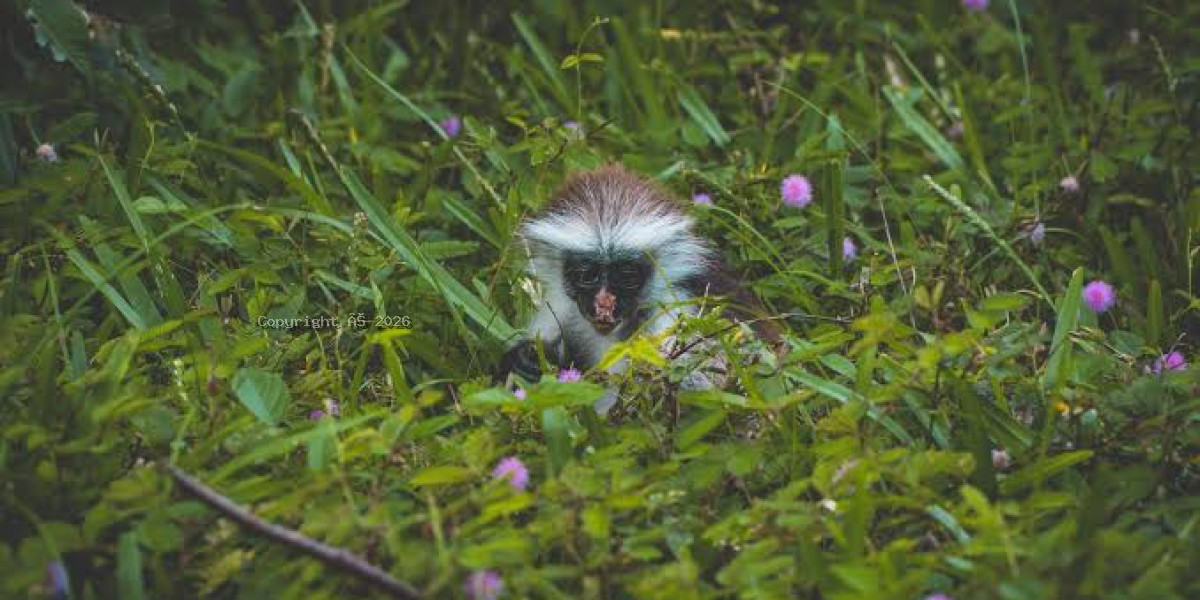
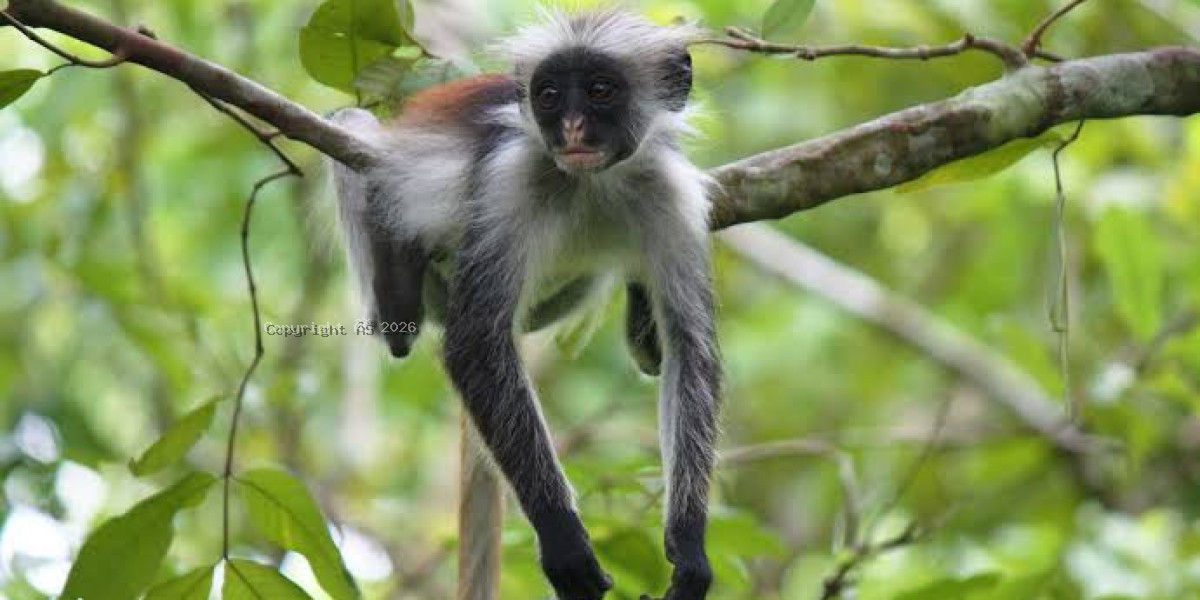
  • Zanzibar red colobus monkeys
  • Sykes monkeys
  • bush babies
  • small antelope species
  • butterflies
  • forest birds
  • mangrove wildlife

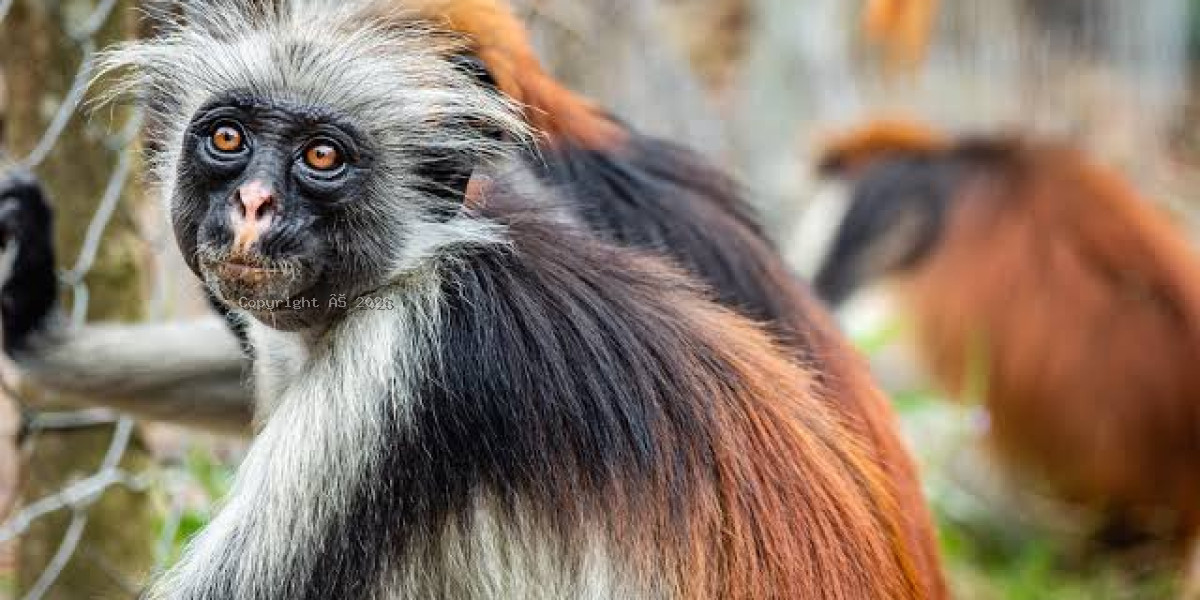
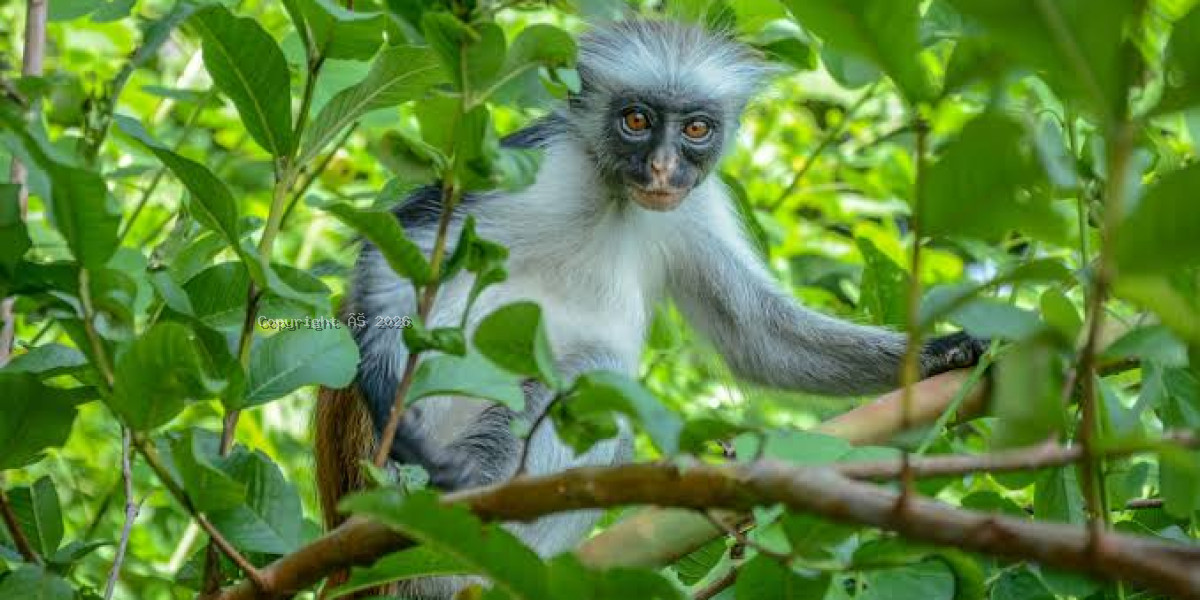
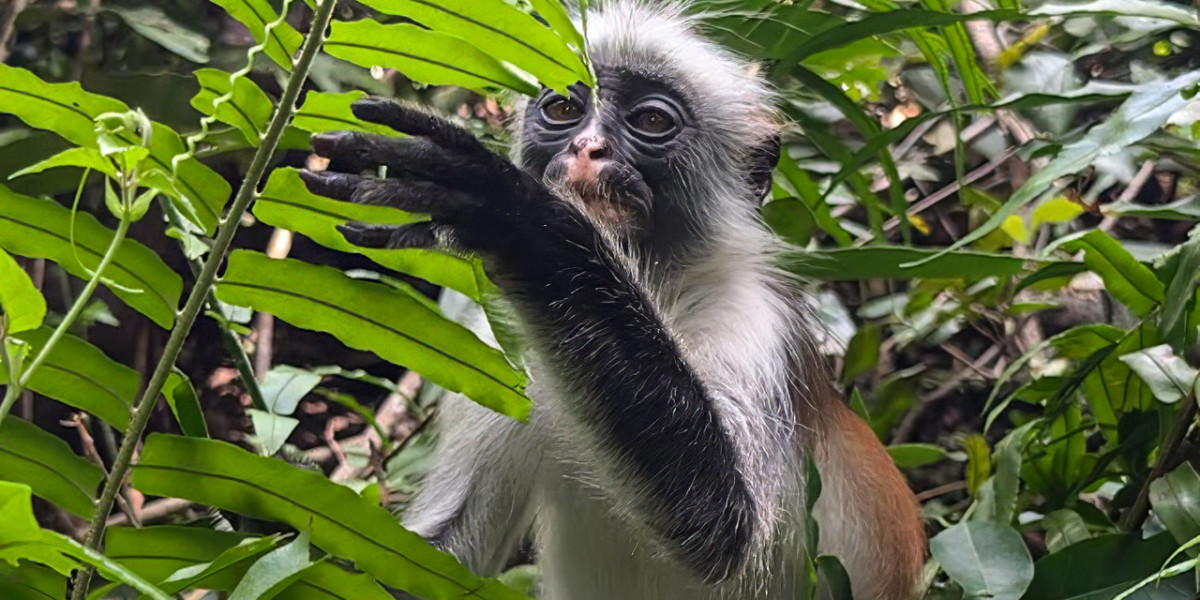
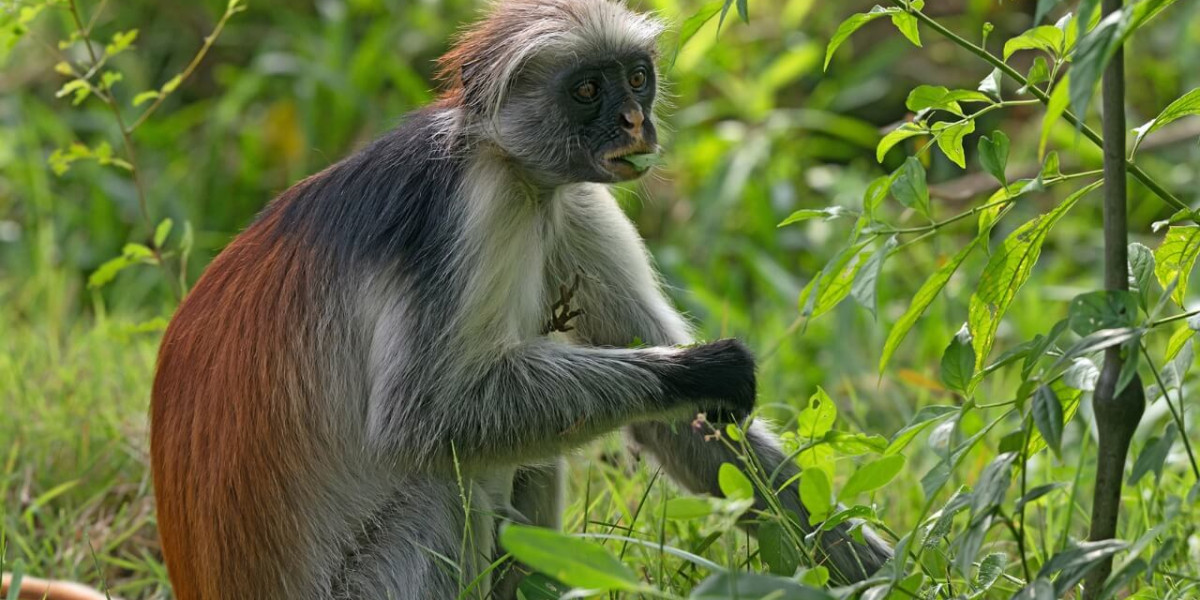
The Zanzibar red colobus monkey is the park’s most famous species and is found almost exclusively in Zanzibar.

These monkeys are known for:

  • distinctive red-brown fur
  • social group behavior
  • active tree movement
  • close interaction with visitors in natural forest conditions

Unlike traditional safari parks, wildlife viewing in Jozani occurs entirely on foot through guided forest walks.
Jozani Chwaka Bay National Park

Mangrove Ecosystem Experience

One of the most unique features of Jozani is its mangrove forest ecosystem.

Wooden boardwalks allow visitors to explore:

  • tidal mangrove environments
  • coastal wetland systems
  • root network ecosystems
  • birdlife habitats
  • marine-linked forest zones

Mangroves play an important ecological role by:

  • protecting coastlines from erosion
  • supporting marine biodiversity
  • filtering seawater systems
  • providing breeding grounds for aquatic species

This creates a conservation-focused educational experience alongside wildlife exploration.
Jozani Chwaka Bay National Park

Accommodation

Jozani itself does not contain large safari lodges, but travelers usually stay in nearby Zanzibar beach resorts, eco-lodges, or Stone Town accommodations.

Accommodation options nearby include:

  • beach resorts
  • eco-lodges
  • boutique hotels
  • luxury villas
  • midrange island hotels

Most visitors access Jozani as part of a Zanzibar cultural, beach, or eco-tourism itinerary.
Jozani Chwaka Bay National Park

How to Get There

By Road
Jozani Forest is easily accessible by road from:

  • Stone Town
  • Paje
  • Jambiani
  • Nungwi
  • other Zanzibar beach areas

The drive from Stone Town typically takes about one hour depending on traffic and hotel location.

By Air
Travelers arrive through Zanzibar International Airport before continuing by road to the park.
Jozani Chwaka Bay National Park

Why Choose Jozani Forest National Park

Jozani is ideal for travelers seeking:

  • Zanzibar red colobus monkey encounters
  • rainforest and mangrove ecosystems
  • eco-tourism experiences
  • conservation-focused travel
  • guided forest exploration
  • wildlife experiences beyond beaches

Unlike Zanzibar’s coastal tourism destinations, Jozani offers insight into the island’s ecological diversity and protected forest systems.

Its combination of endemic wildlife, tropical rainforest, mangroves, and conservation importance makes it one of Zanzibar’s most valuable natural attractions.
Similar Destinations

Arusha National Park
Arusha National Park is one of Tanzania’s most scenic and di…
Gombe National Park
Gombe National Park is one of Tanzania’s most unique wildlif…
Jozani Chwaka Bay National Park
Jozani Chwaka Bay National Park is the only national park in…
Katavi National Park
Katavi National Park is one of the most remote and untouched…
Kilimanjaro National Park
Kilimanjaro National Park is one of Africa’s most iconic adv…
Lake Manyara National Park
Lake Manyara National Park is one of Tanzania’s most scenic …
Mahale Mountains National Park
Mahale Mountains National Park is one of Africa’s most remot…
Mikumi National Park
Mikumi National Park is one of Tanzania’s most accessible sa…
Mkomazi National Park
Mkomazi National Park is one of Tanzania’s most remote and l…
Ngorongoro Crater
Ngorongoro Conservation Area is one of the most unique wildl…
Nyerere National Park
Nyerere National Park is the largest national park in Tanzan…
Ruaha National Park
Ruaha National Park is Tanzania’s largest national park and …
Serengeti National Park
Serengeti National Park is one of the most famous safari des…
Tarangire National Park
Tarangire National Park is one of Tanzania’s most important …