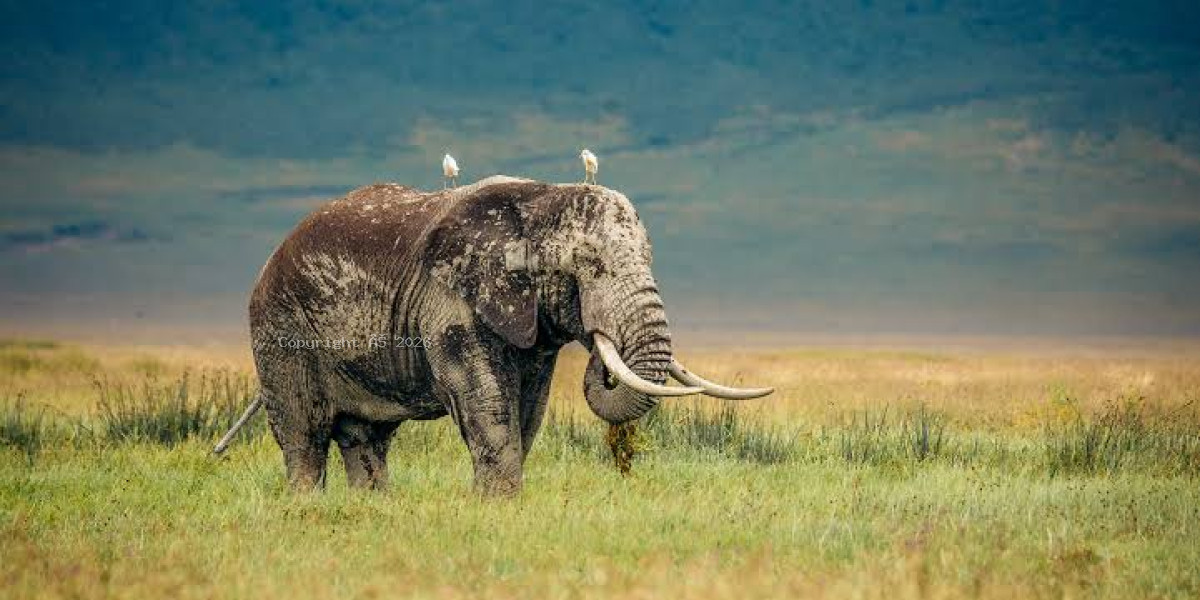
Ngorongoro Crater

Ngorongoro Crater

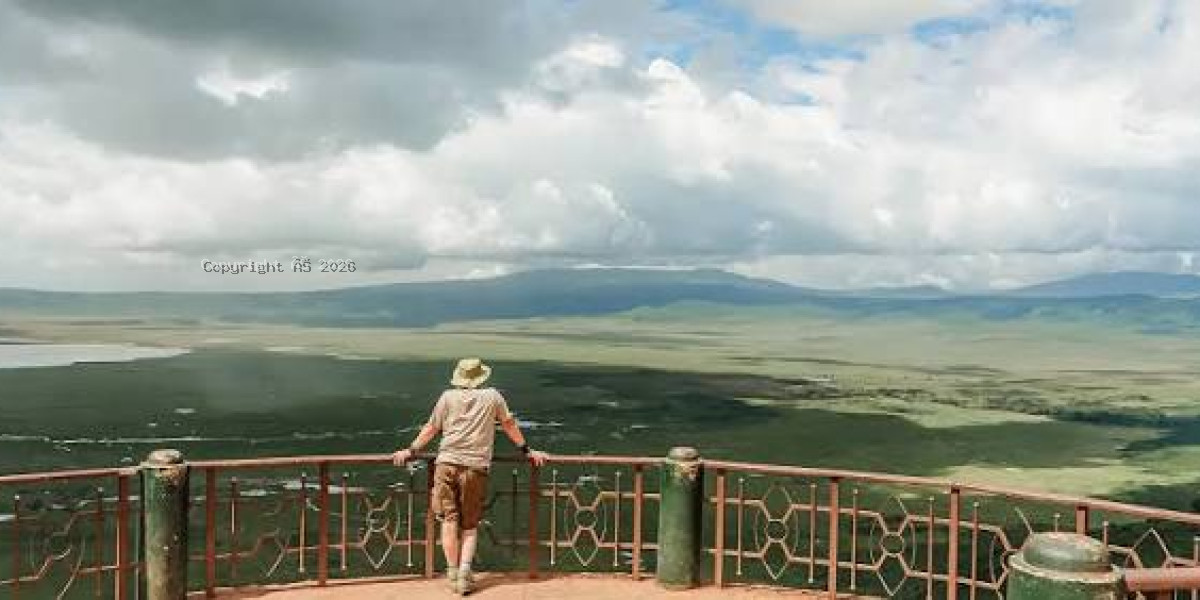
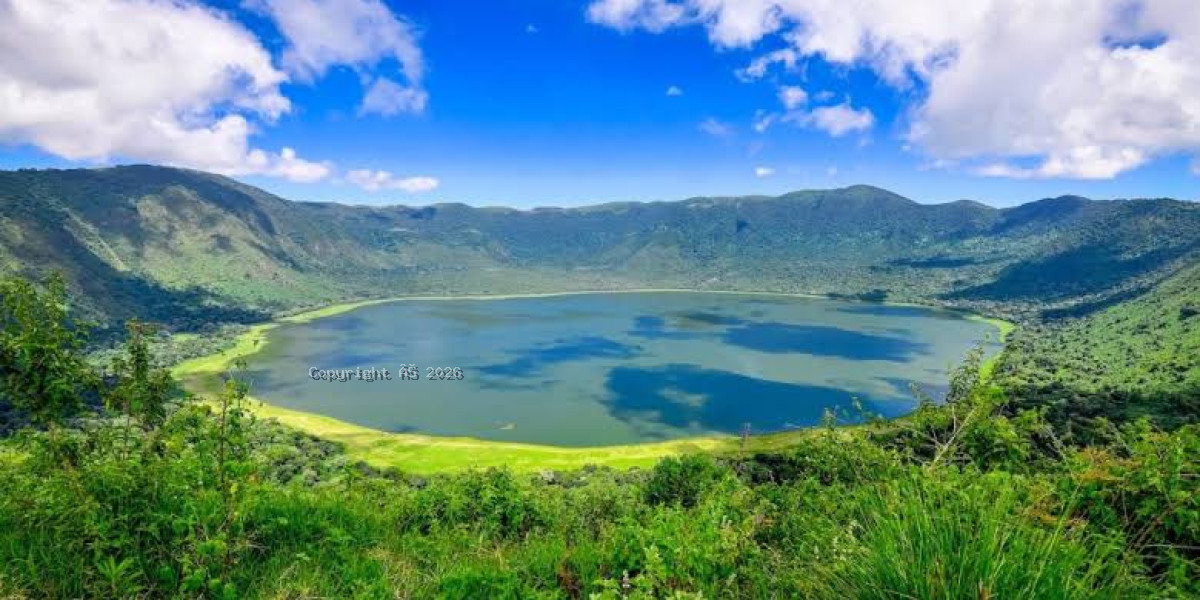
Ngorongoro Conservation Area is one of the most unique wildlife destinations in Africa, centered around the world-famous Ngorongoro Crater, the largest intact volcanic caldera on Earth. The area combines wildlife conservation, natural landscapes, and Maasai cultural heritage within a single protected ecosystem, making it one of Tanzania’s most important safari destinations.
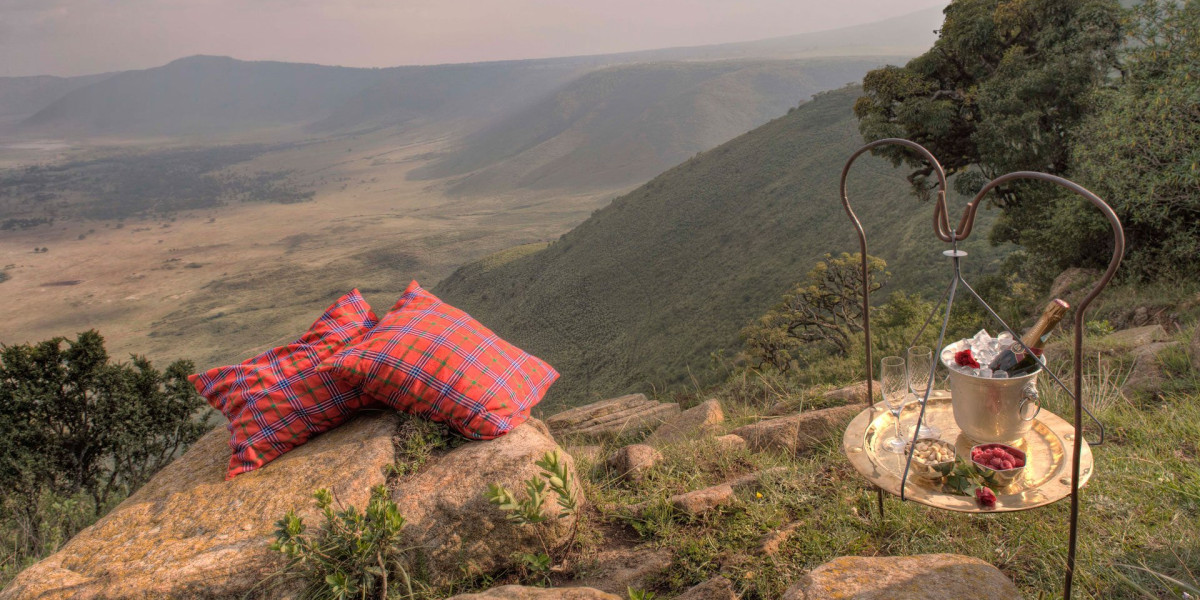
The crater was formed millions of years ago after a massive volcanic eruption caused the volcano to collapse inward, creating a large enclosed ecosystem approximately 600 meters deep. Today, this natural enclosure supports an exceptionally high concentration of wildlife throughout the year.
Ngorongoro is internationally recognized for offering one of the best opportunities to see the Big Five in a relatively short period of time due to the crater’s compact wildlife environment.
Ngorongoro Crater

Location

Ngorongoro Conservation Area is located in northern Tanzania between Arusha and Serengeti National Park. It forms part of Tanzania’s northern safari circuit and acts as a gateway between several major wildlife destinations.

The conservation area covers highland forests, crater systems, open grasslands, and Maasai settlements. The Ngorongoro Crater itself lies approximately:

  • 180 km from Arusha
  • Adjacent to Serengeti ecosystem

Its elevated position creates cooler temperatures compared to many other safari parks in Tanzania.
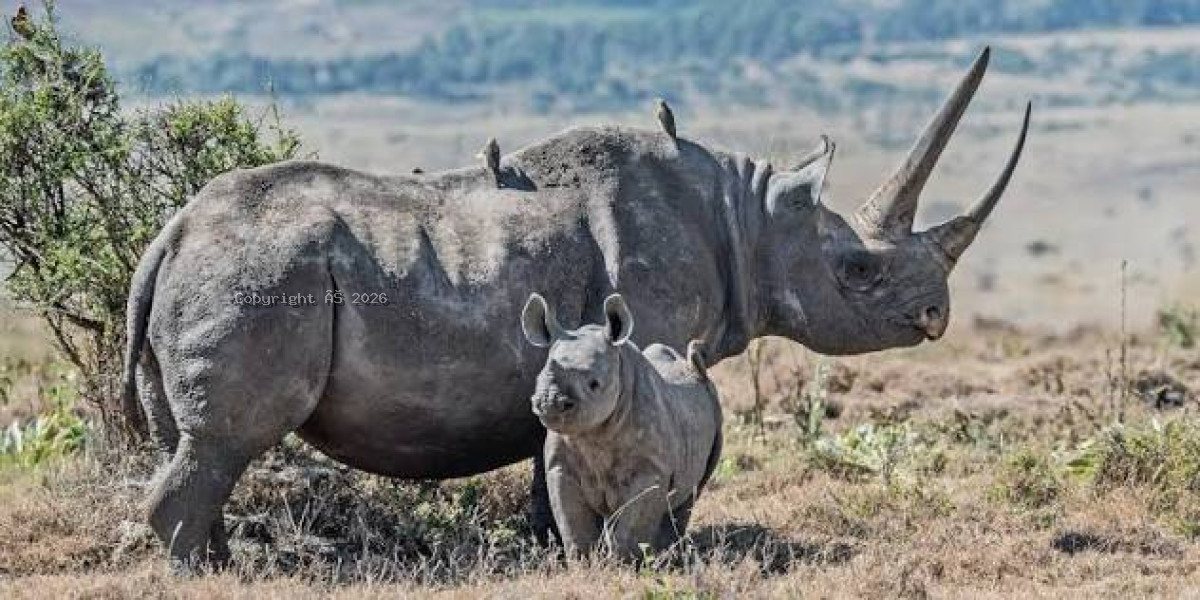
Black rhinos

Wildlife Experience

The wildlife experience inside Ngorongoro Crater is highly productive because the enclosed ecosystem supports large populations of herbivores and predators throughout the year.

Common wildlife sightings include:

  • Lions
  • Elephants
  • Buffaloes
  • Black rhinos
  • Leopards
  • Hyenas
  • Hippos
  • Zebras
  • Wildebeest
  • Flamingos around Lake Magadi

The crater is especially important for black rhino conservation, making it one of the best locations in Tanzania to see this endangered species.

Wildlife viewing is often more efficient here compared to larger parks because animals are concentrated within the crater floor.
Accommodation

Accommodation

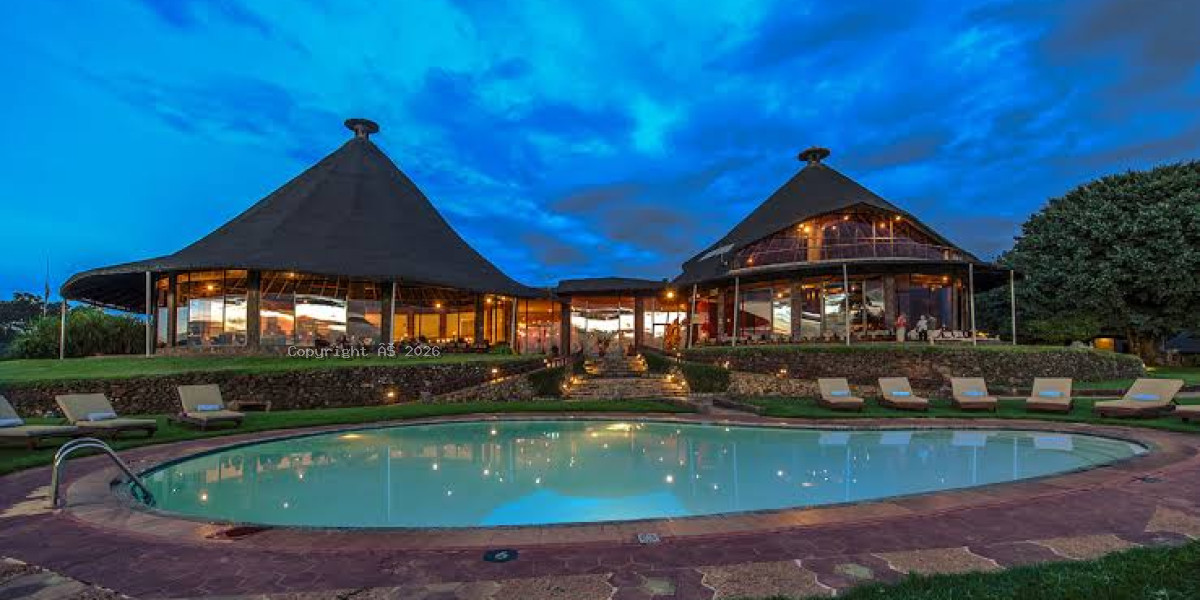
Accommodation around Ngorongoro ranges from luxury crater rim lodges to midrange lodges in nearby Karatu and tented safari camps within conservation zones.

Travelers can choose between:

  • Luxury crater lodges
  • Midrange safari lodges
  • Tented camps
  • Budget camping options

Crater rim properties offer spectacular sunrise and crater-view experiences, while Karatu lodges provide more affordable alternatives with easier accessibility.
Why Choose Ngorongoro Crater

How to Get There

Ngorongoro is accessible by both road and air.

By Road

Most travelers reach Ngorongoro from Arusha through a scenic drive passing:

  • Lake Manyara National Park
  • Karatu Highlands

The drive typically takes:

  • 3–5 hours depending on route and stops

Ngorongoro is commonly combined with:

  • Serengeti National Park
  • Tarangire National Park
Why Choose Ngorongoro Crater

Why Choose Ngorongoro Crater

Ngorongoro Crater is chosen by travelers because it offers one of the most concentrated wildlife experiences in Africa within a relatively small and accessible area.

The crater provides:

  • High chances of seeing the Big Five in one day
  • Strong year-round wildlife presence
  • Beautiful crater landscapes and viewpoints
  • Easy wildlife spotting due to enclosed geography
  • Combination of wildlife and Maasai culture
  • UNESCO World Heritage status

Unlike large open ecosystems where wildlife moves over great distances, many animals remain permanently within the crater due to the constant availability of water and grazing land.Ngorongoro Conservation Area is one of Africa’s most remarkable wildlife destinations because it combines geological history, concentrated wildlife populations, and cultural heritage within a single ecosystem.

Its unique crater environment creates one of the most efficient safari experiences in Tanzania, making it an essential destination for travelers seeking strong wildlife viewing, scenic landscapes, and a well-balanced northern circuit safari.

Similar Destinations

Arusha National Park
Arusha National Park is one of Tanzania’s most scenic and di…
Gombe National Park
Gombe National Park is one of Tanzania’s most unique wildlif…
Jozani Chwaka Bay National Park
Jozani Chwaka Bay National Park is the only national park in…
Katavi National Park
Katavi National Park is one of the most remote and untouched…
Kilimanjaro National Park
Kilimanjaro National Park is one of Africa’s most iconic adv…
Lake Manyara National Park
Lake Manyara National Park is one of Tanzania’s most scenic …
Mahale Mountains National Park
Mahale Mountains National Park is one of Africa’s most remot…
Mikumi National Park
Mikumi National Park is one of Tanzania’s most accessible sa…
Mkomazi National Park
Mkomazi National Park is one of Tanzania’s most remote and l…
Ngorongoro Crater
Ngorongoro Conservation Area is one of the most unique wildl…
Nyerere National Park
Nyerere National Park is the largest national park in Tanzan…
Ruaha National Park
Ruaha National Park is Tanzania’s largest national park and …
Serengeti National Park
Serengeti National Park is one of the most famous safari des…
Tarangire National Park
Tarangire National Park is one of Tanzania’s most important …