Serengeti National Park is located in northern Tanzania, forming part of a larger ecosystem that extends into Kenya’s Maasai Mara. The park lies west of Ngorongoro Conservation Area and approximately 325 kilometers from Arusha.
The park is divided into several ecological regions including:
Each area offers different landscapes and seasonal wildlife experiences throughout the year.
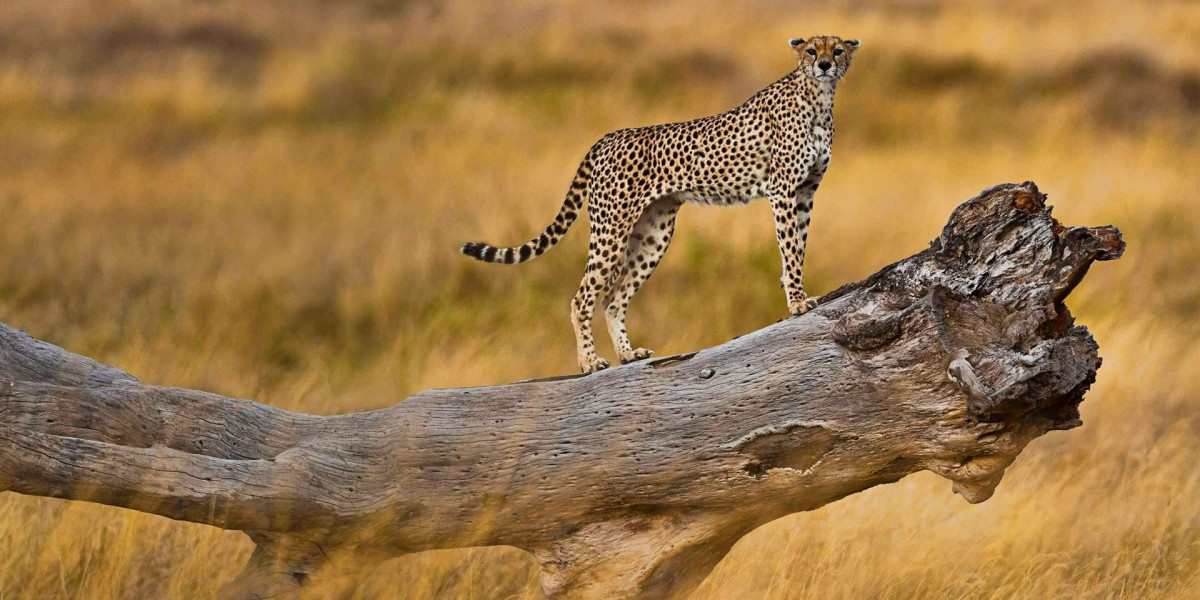
The wildlife experience in Serengeti is defined by scale, movement, and predator interaction. The park supports one of the largest concentrations of mammals in Africa, creating highly active safari conditions throughout the year.
Travelers commonly encounter:
Predator activity is particularly strong due to the constant presence of migratory prey species.
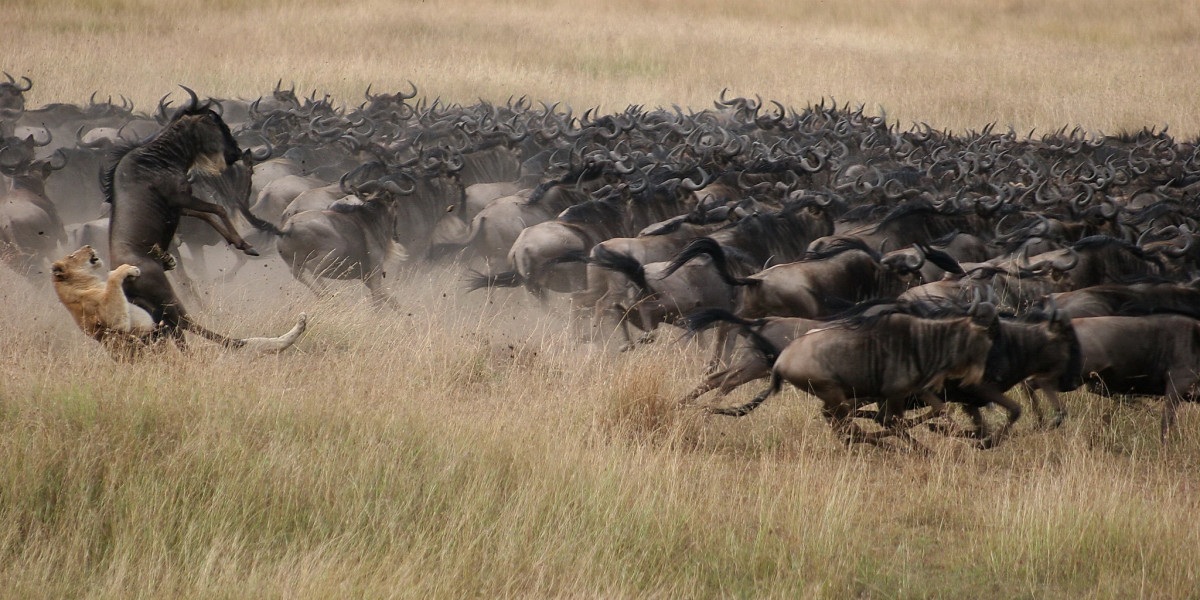
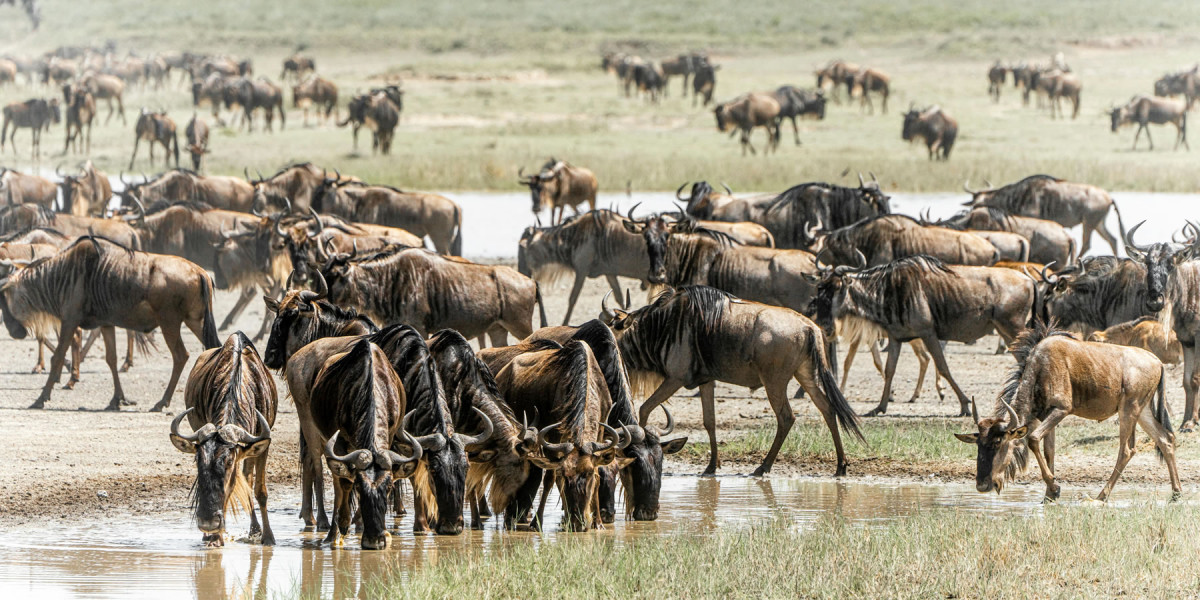
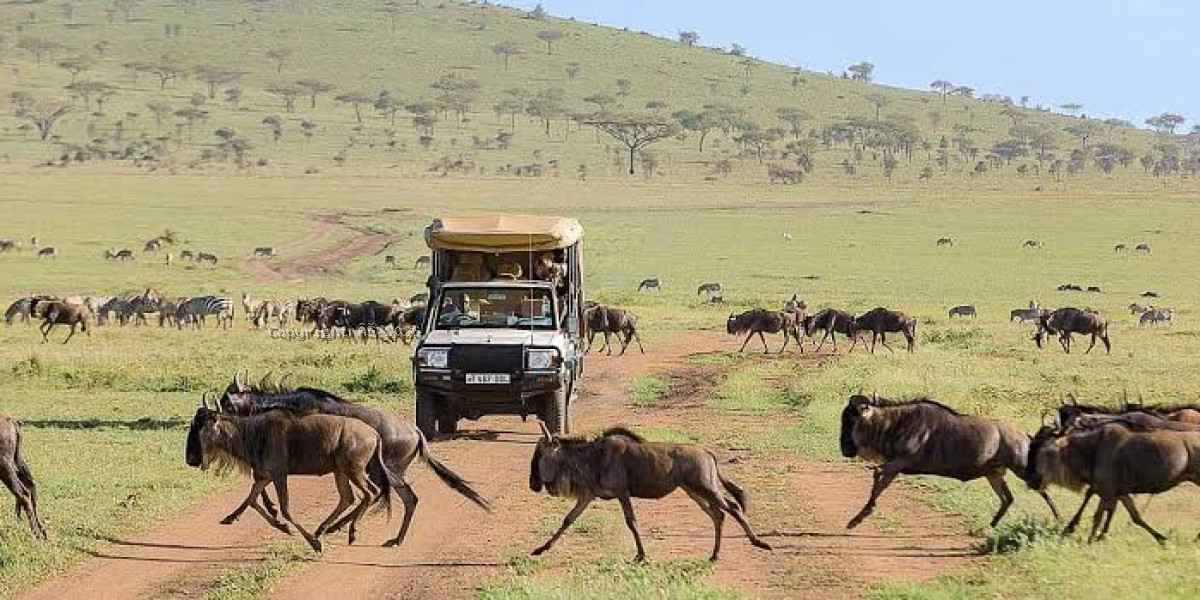
The Great Migration is Serengeti’s most famous natural event and one of the largest animal movements in the world. Each year, over a million wildebeest accompanied by zebras and gazelles move across the ecosystem following rainfall and fresh grazing areas.
Different migration phases occur in different regions:
This movement creates dramatic wildlife encounters involving predators, river crossings, and large herd formations.
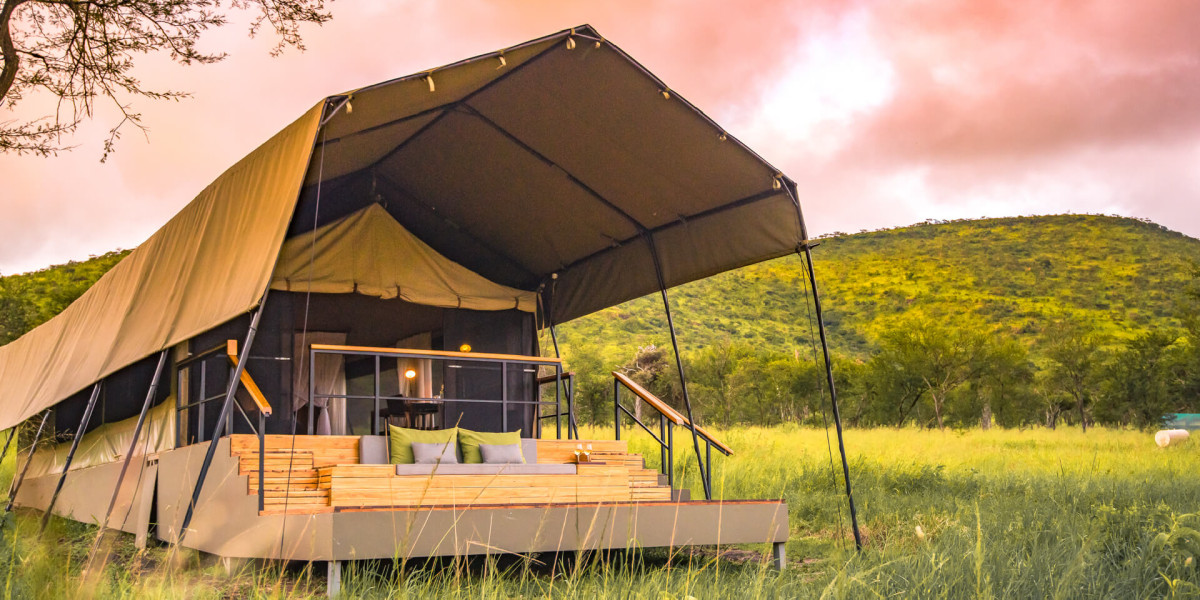
Serengeti offers a broad range of accommodation options ranging from luxury lodges to mobile tented camps and midrange safari camps.
Accommodation is distributed across different regions of the park depending on wildlife movement and safari style. Some camps focus on migration tracking, while others remain permanent in central wildlife areas.
Travelers can choose between:
This flexibility allows Serengeti to accommodate different travel styles and budgets.
Serengeti can be accessed by both road and air.
Most safaris begin in Arusha and pass through:
The journey to Serengeti typically takes 7–9 hours depending on the route and safari structure.
Domestic flights operate from:
Flights land at regional airstrips inside Serengeti including Seronera and Kogatende.
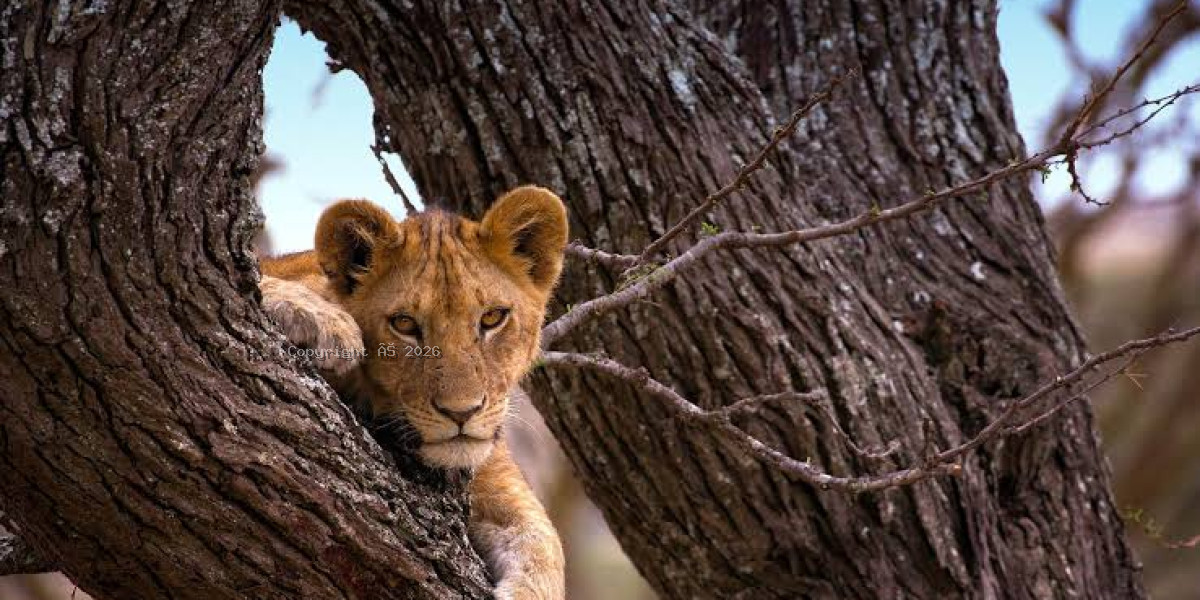
Serengeti is considered one of the best safari destinations in Africa because of its exceptional wildlife concentration, large predator populations, and expansive natural landscapes.
The park offers:
Unlike smaller parks, Serengeti provides a large-scale wilderness experience where wildlife movement remains natural and unrestricted.
Serengeti National Park remains one of the strongest safari destinations globally because it combines wildlife density, large-scale natural landscapes, predator activity, and the Great Migration within a single ecosystem.
Its ability to offer different safari experiences throughout the year makes it one of the most versatile and rewarding wildlife destinations in Africa.

 French
 German
 Spanish
 Italian
 Dutch
Dutch
 Chinese (Simplified)