• Airport meet and greet.
• Transfer to Arusha.
• Safari briefing session.
• Evening leisure and relaxation.
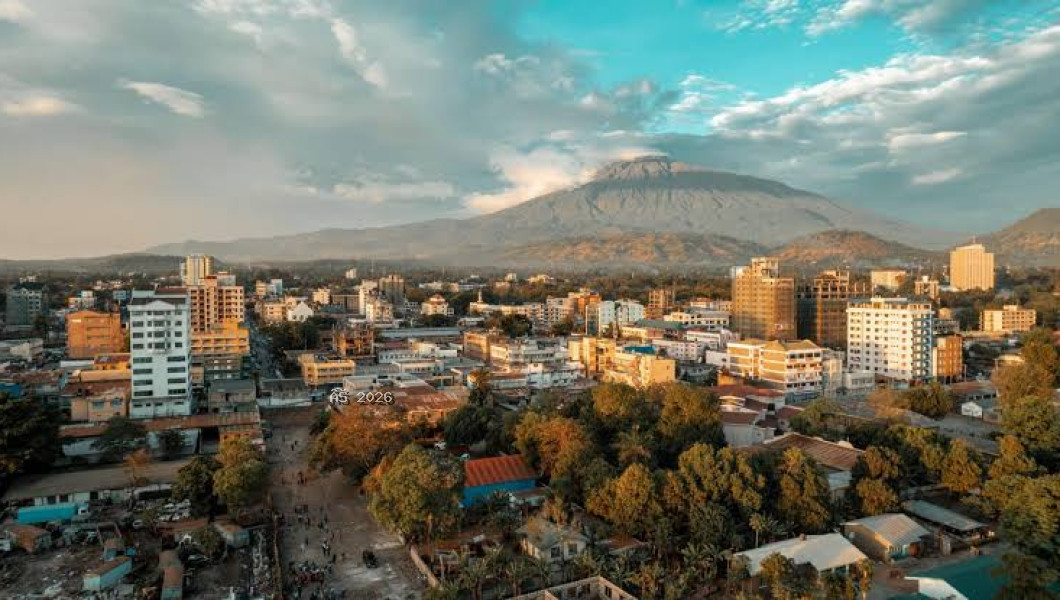
Upon arrival at Kilimanjaro International Airport, you will complete immigration and luggage formalities before meeting your professional safari guide outside the arrival terminal. Your guide will welcome you to Tanzania and provide a short safari briefing before transferring you to Arusha, the gateway city to northern Tanzania’s safari circuit.
The drive to Arusha passes through local communities, open countryside, and landscapes surrounding Mount Meru, Tanzania’s second-highest mountain. The evening is designed for relaxation after international travel and preparation before beginning the safari adventure the following morning.
Arusha serves as the operational center for safaris across northern Tanzania and offers a peaceful introduction to East Africa’s safari environment.
• Scenic drive through Maasai landscapes.
• Full-day Tarangire game drive.
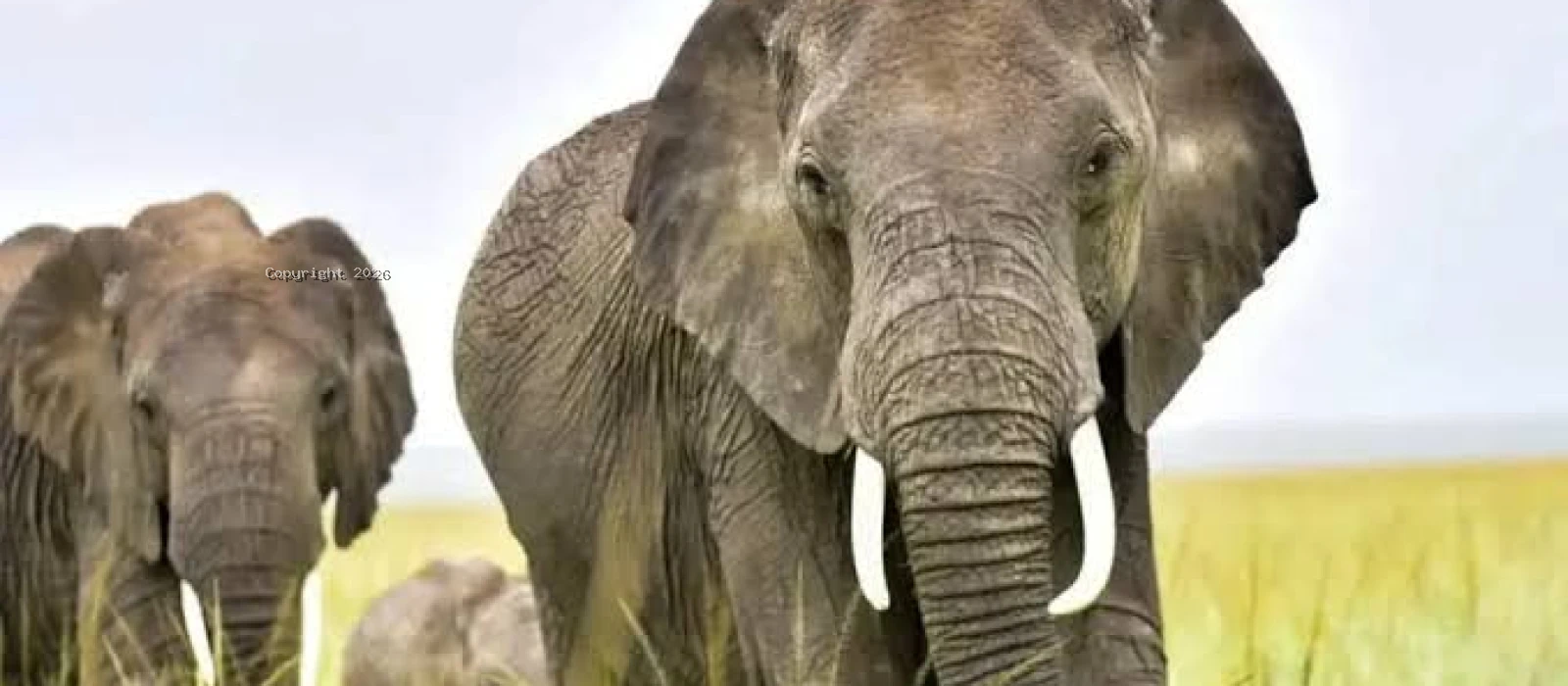
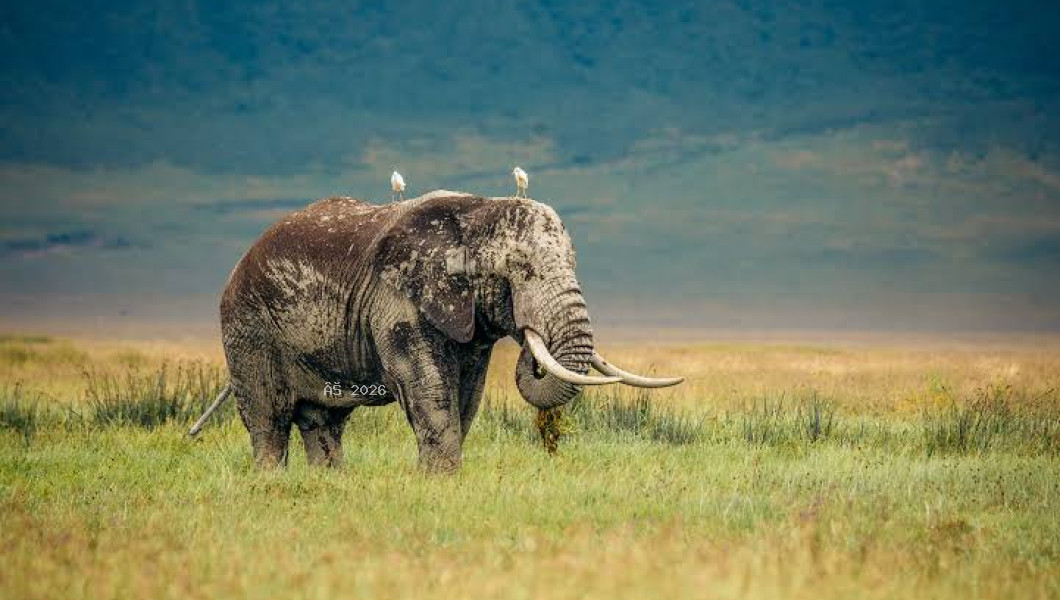
• Elephant photography safari.
• Birdwatching experience.
• Wildlife viewing along Tarangire River.
• Sunset wildlife exploration.
After breakfast, depart Arusha and continue southwest toward Tarangire National Park, one of Tanzania’s most ecologically important wildlife ecosystems.
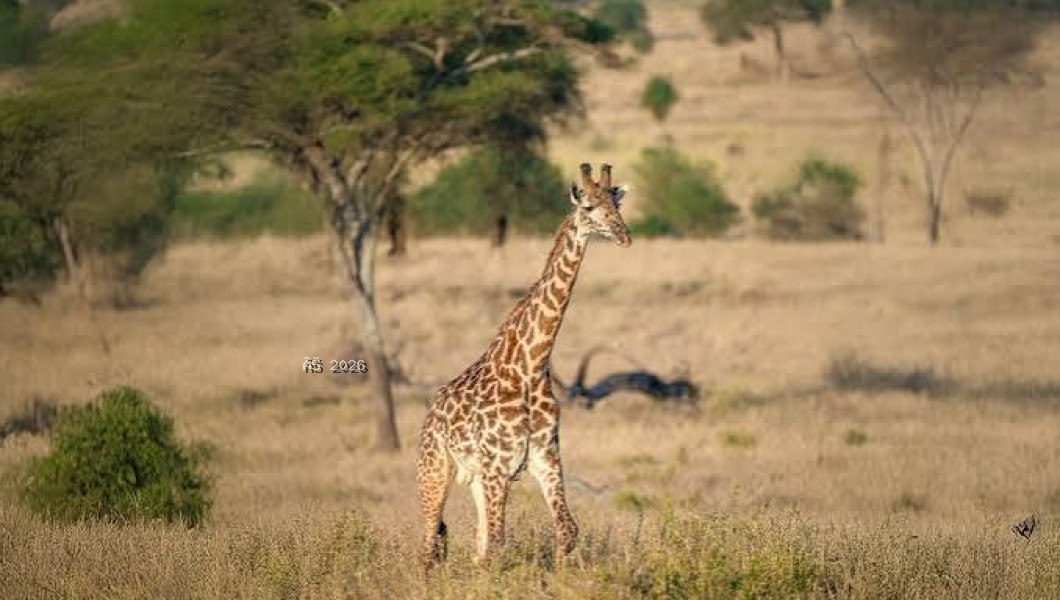
Tarangire is internationally recognized for its giant baobab trees, large elephant populations, seasonal migration patterns, and strong dry-season wildlife concentration around the Tarangire River. During peak wildlife months, thousands of animals gather within the ecosystem searching for permanent water sources.
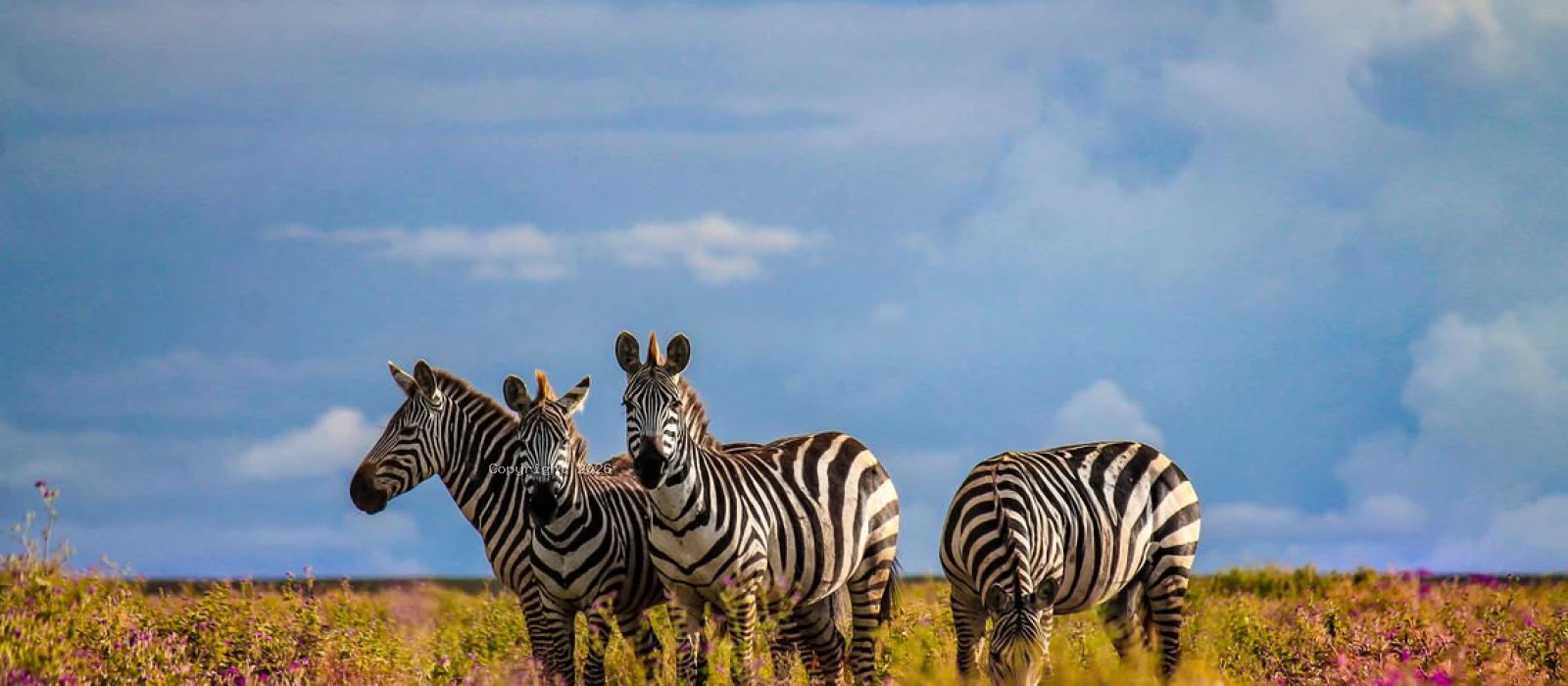
The park supports a wide range of wildlife including:
The combination of river valleys, acacia woodland, wetlands, and baobab-covered plains creates one of the most visually distinctive safari landscapes in Tanzania.
• Lake Manyara game drive.
• Tree-climbing lion exploration.
• Birdwatching safari experience.
• Groundwater forest exploration.
• Wildlife photography safari.
• Rift Valley landscape viewing.
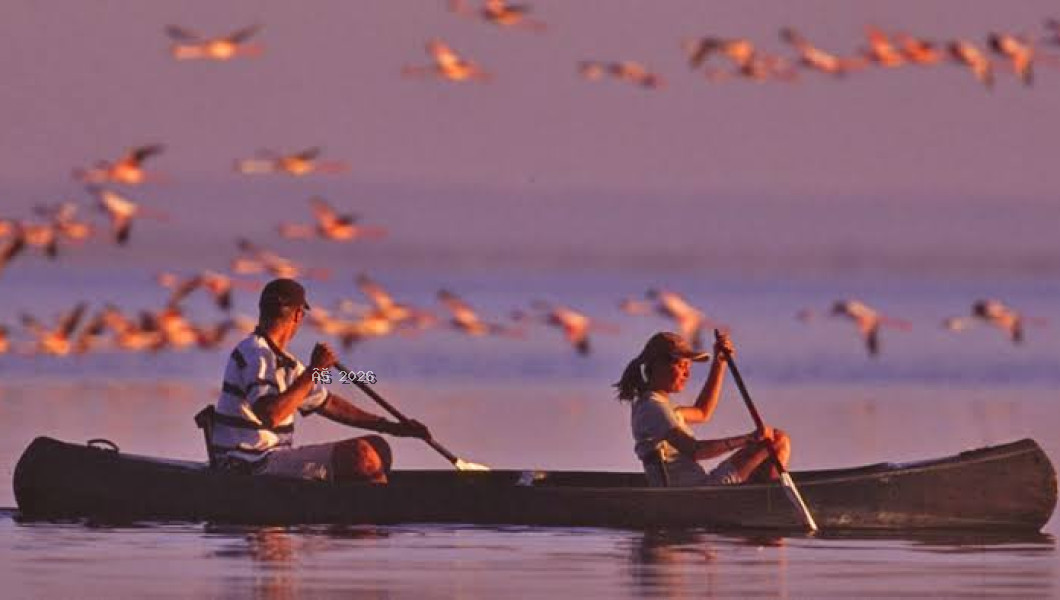
After breakfast, continue toward Lake Manyara National Park, a compact but highly diverse ecosystem positioned beneath the Great Rift Valley escarpment.
Lake Manyara National Park is famous for its dramatic environmental variation. The ecosystem combines lush groundwater forests, open savannah, soda lake environments, acacia woodland, and hot spring regions supporting a wide range of wildlife and birdlife.
The park is particularly known for:
The groundwater forest near the entrance creates a completely different safari atmosphere compared to the dry savannah landscapes of Tarangire.
• Scenic drive to Ndutu Plains.
• Southern Serengeti game drive.
• Great Migration exploration.
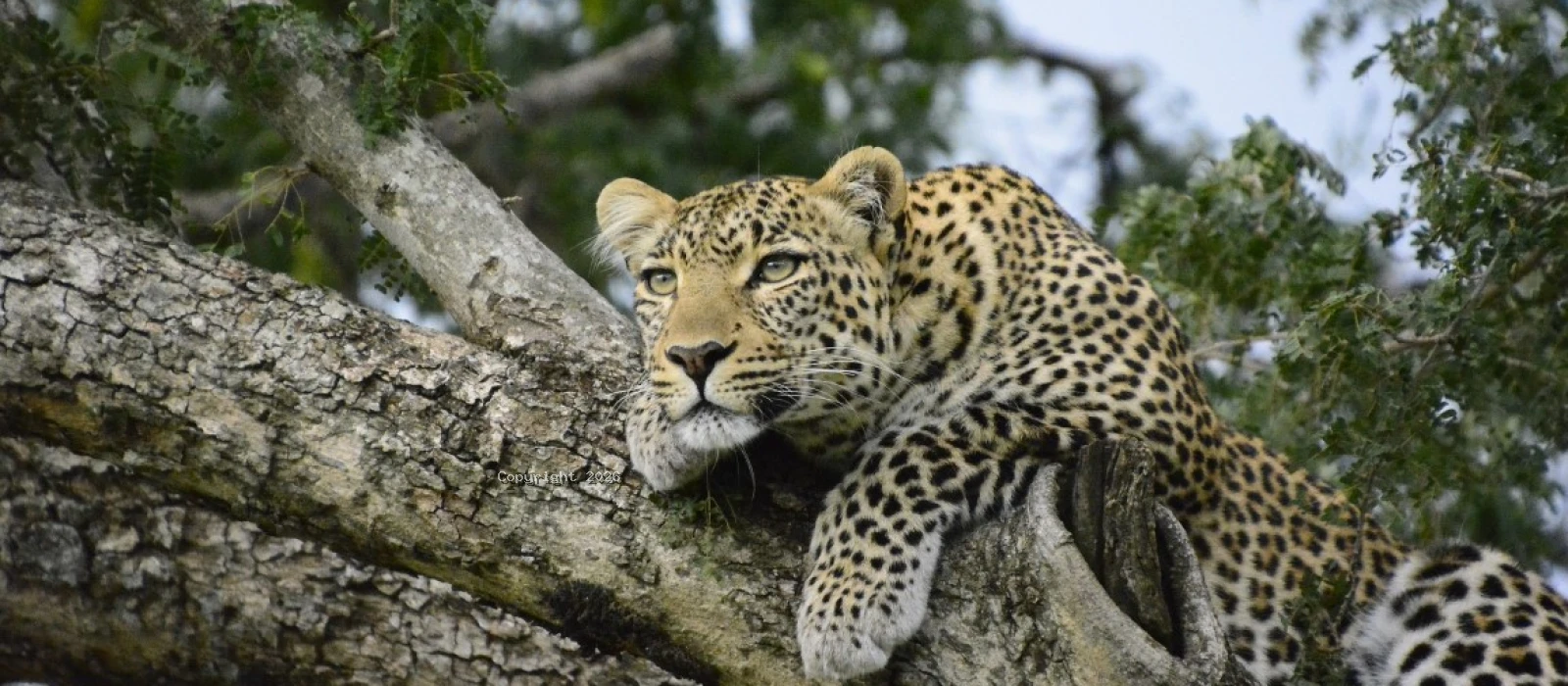
• Predator tracking safari.
• Wildlife photography experience.
• Sunset plains viewing.
After breakfast, continue toward the Ndutu Plains ecosystem located between Southern Serengeti National Park and the Ngorongoro Conservation Area.
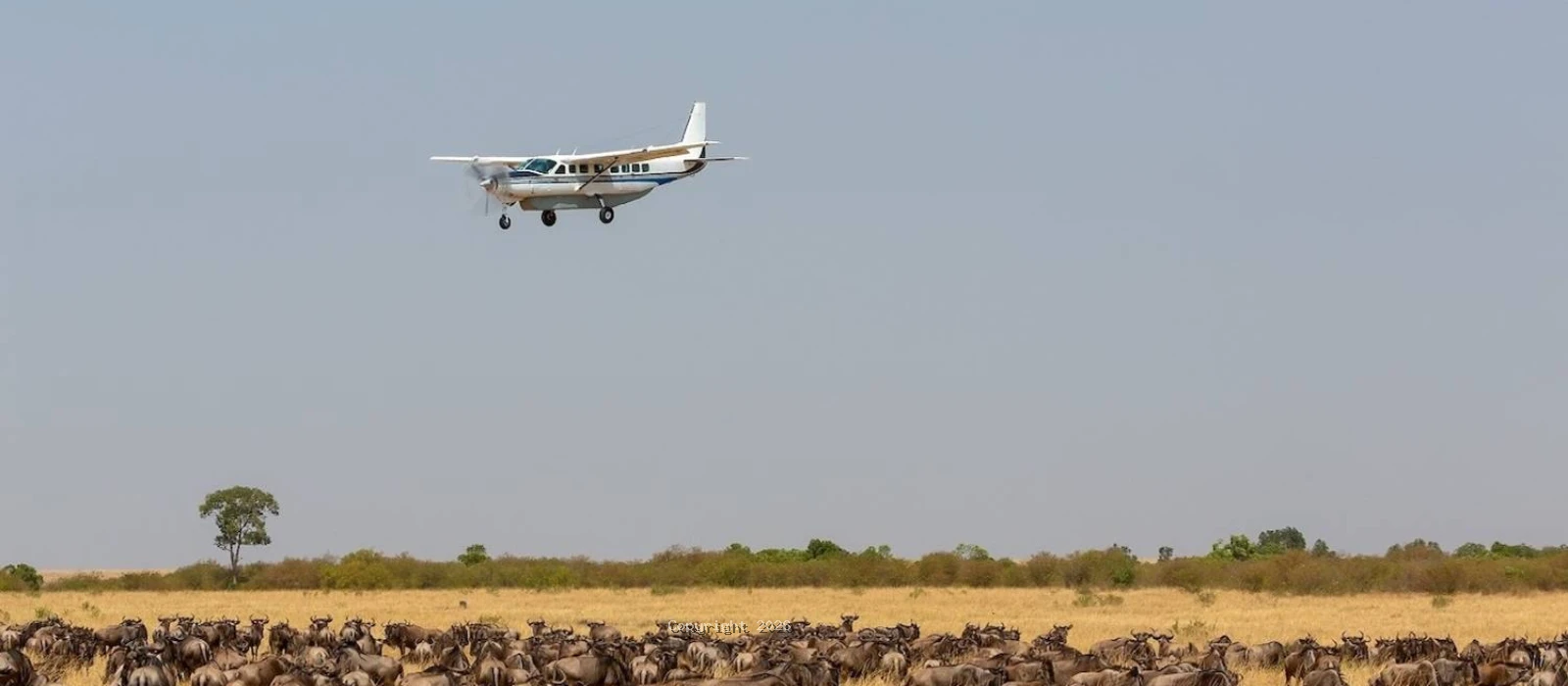
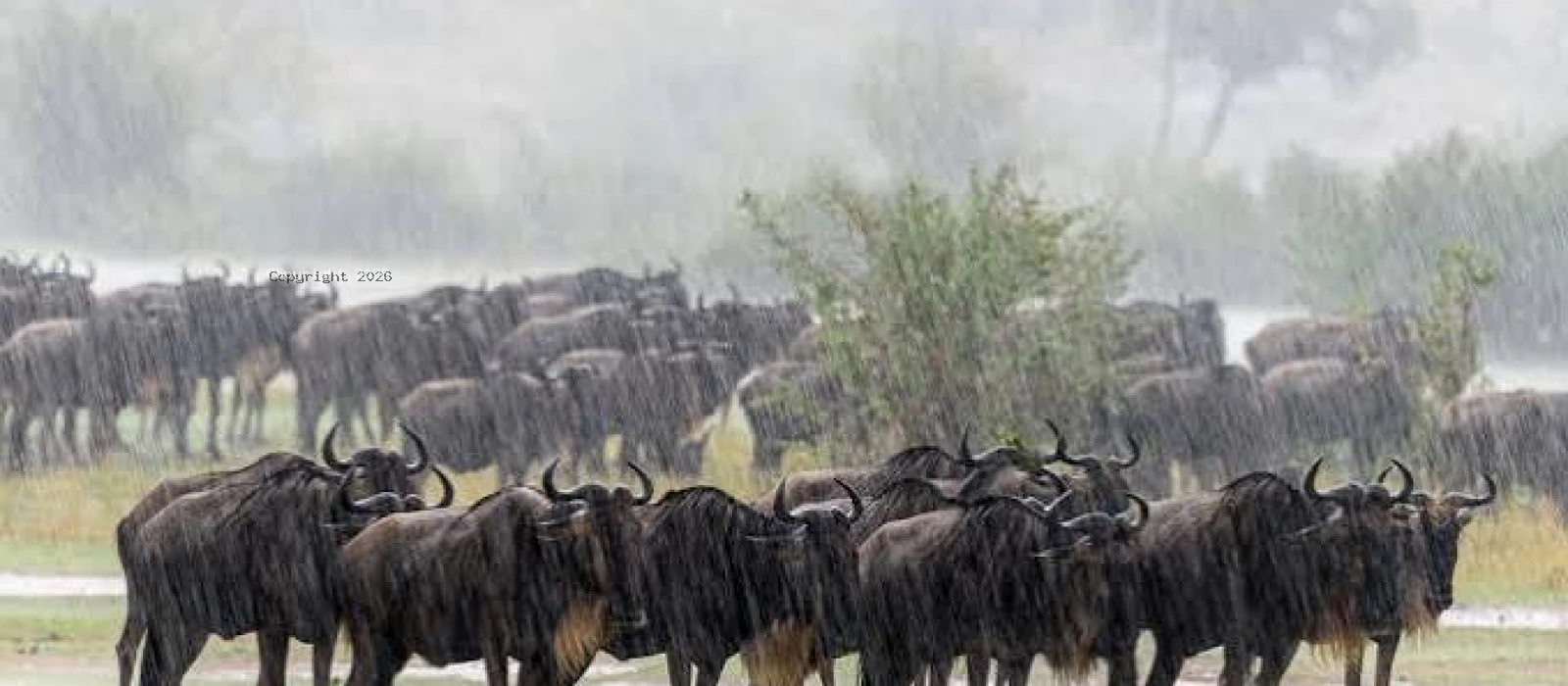
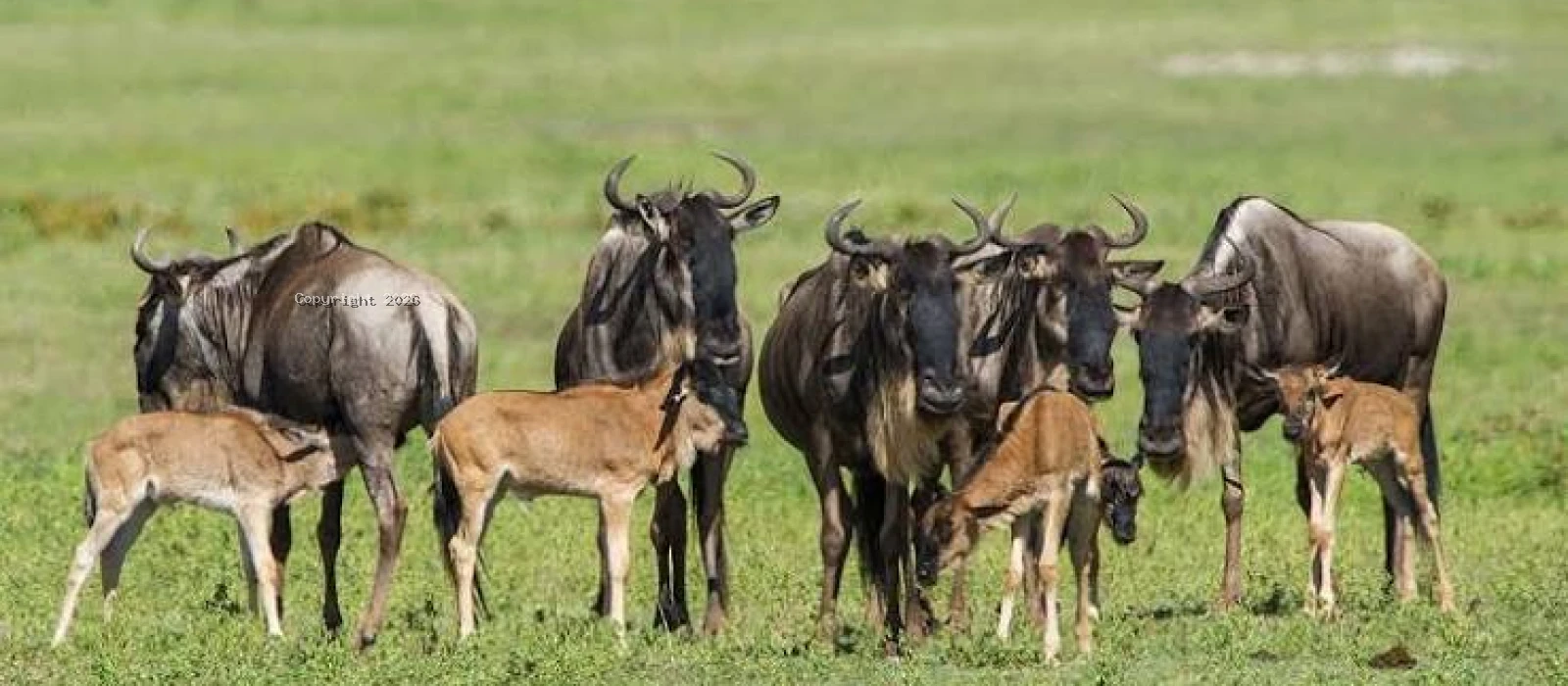
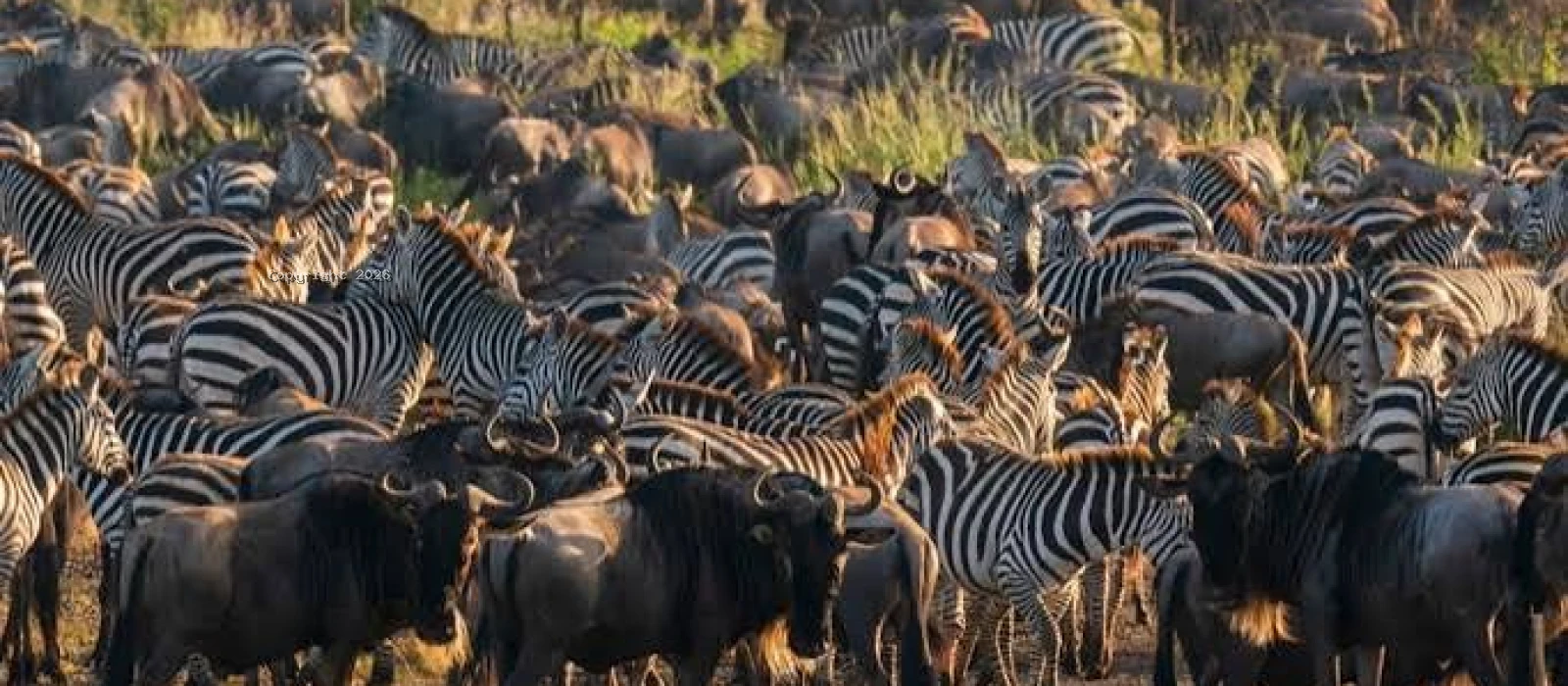
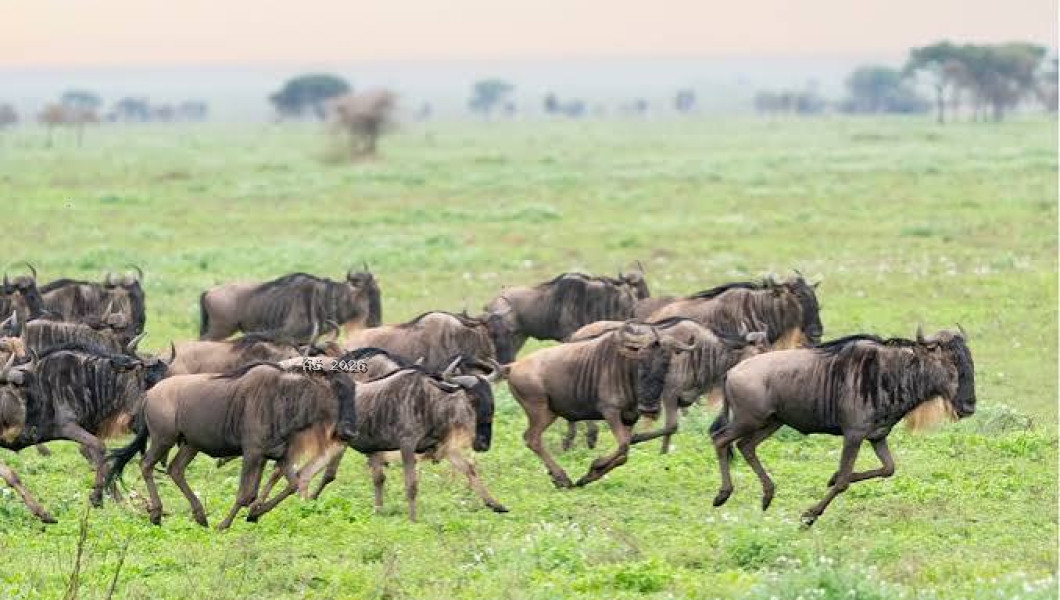
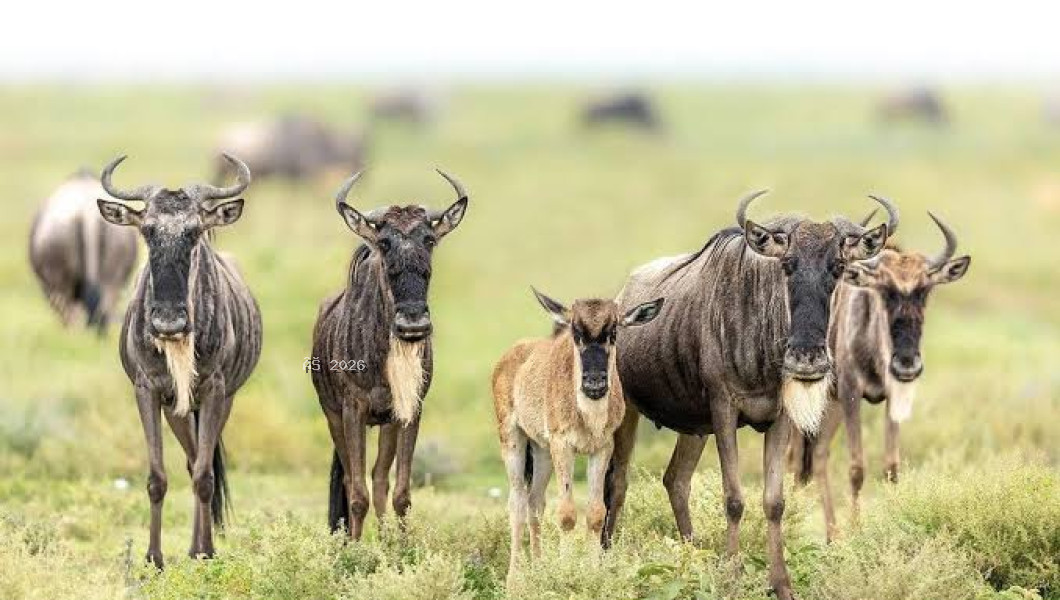
As the landscapes gradually transition into open short-grass plains, wildlife concentrations begin increasing dramatically. During calving season, this ecosystem becomes the center of the Great Migration as hundreds of thousands of wildebeest gather on the nutrient-rich plains to give birth.
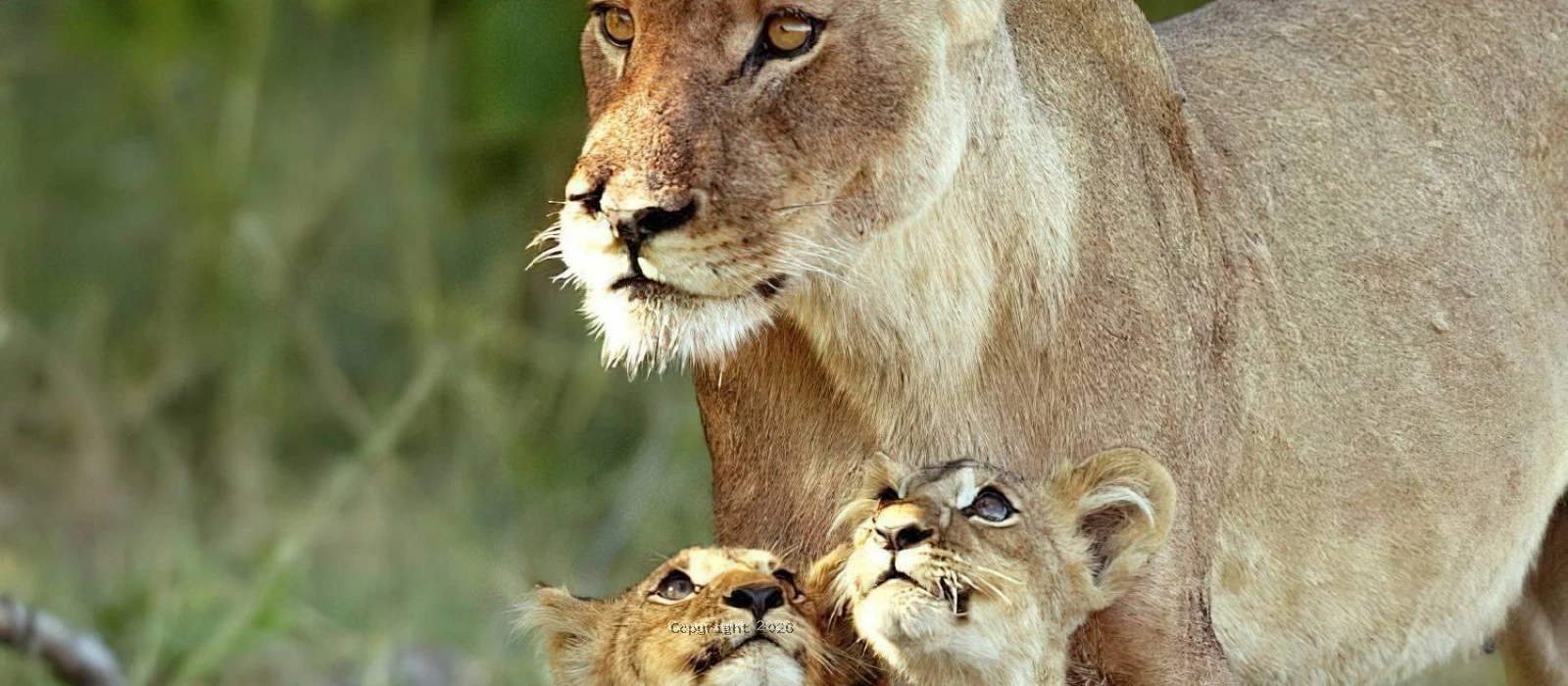
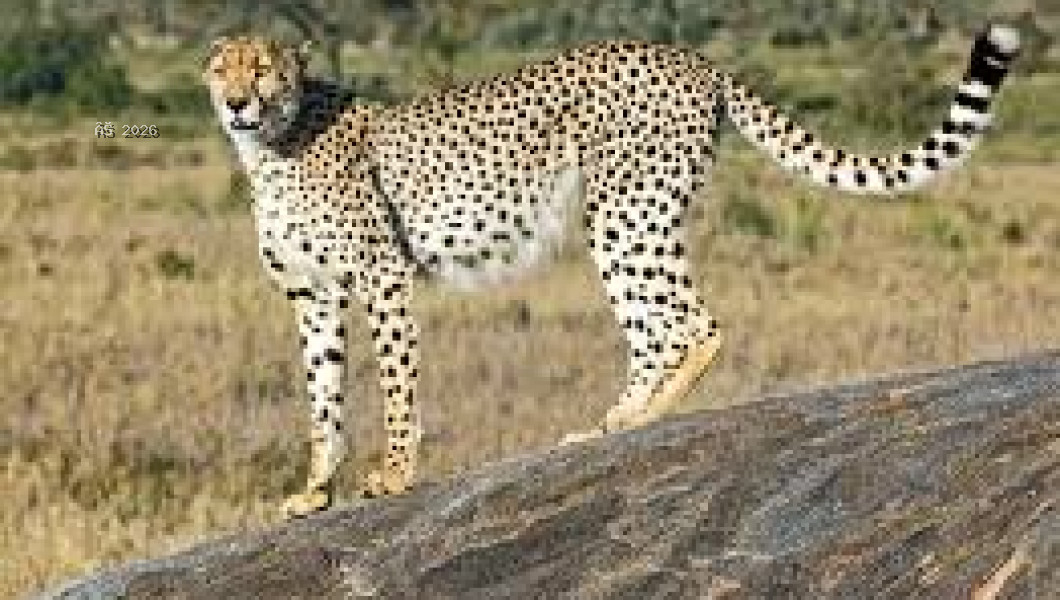
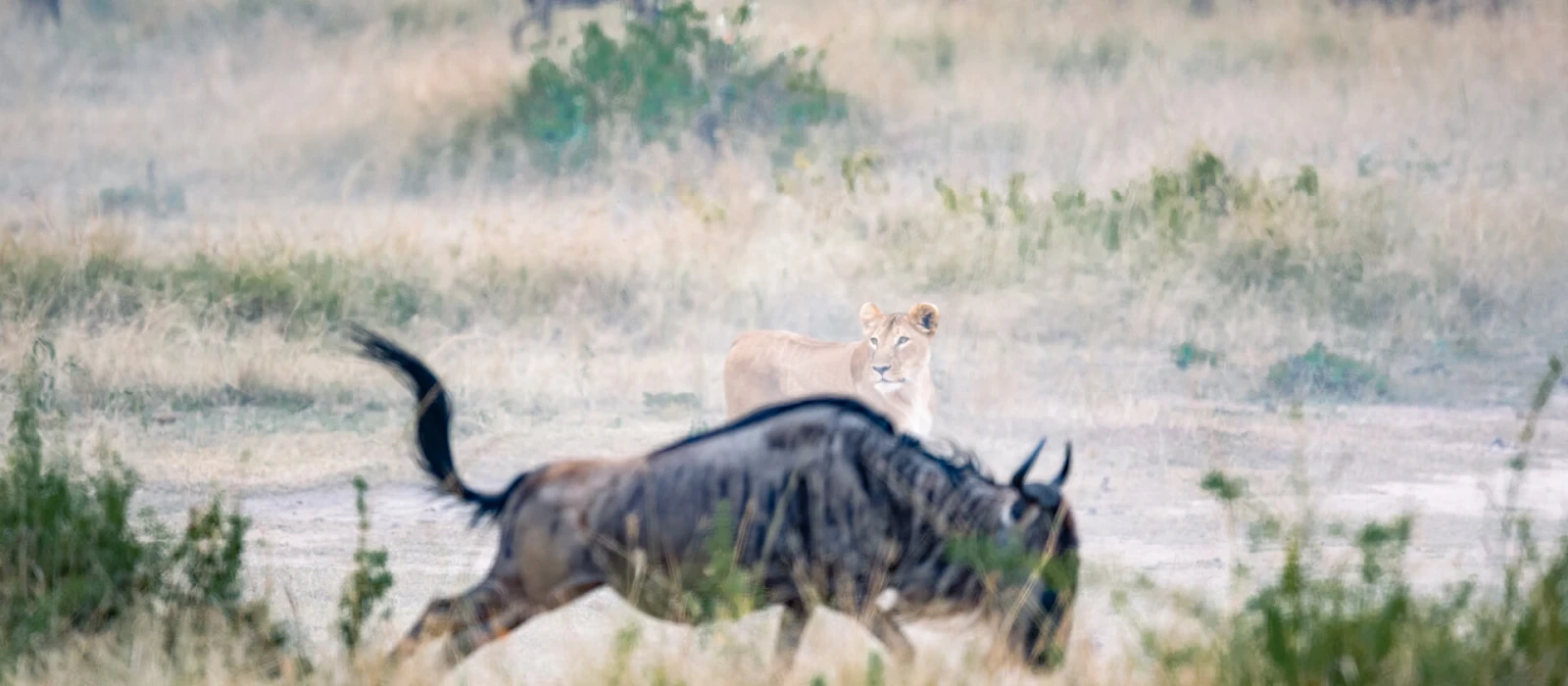
The Ndutu region is particularly important because the open plains create ideal conditions for predator observation and wildlife photography. Large lion prides, cheetahs, hyenas, and jackals patrol the plains searching for vulnerable calves and weakened prey animals.
The ecosystem during this period becomes one of the most active wildlife environments in Africa.
• Full-day Ndutu game drives.
• Calving season migration exploration.
• Predator tracking safari.
• Wildlife photography experience.
• Great Migration herd observation.
• Scenic plains exploration.
Spend the entire day exploring the wildlife-rich plains of Ndutu and Southern Serengeti during the peak calving season migration period.
This is one of the strongest predator-prey environments in Africa due to the high concentration of newborn wildebeest calves and migratory herds spread across the plains.
Travelers commonly witness:
The short-grass environment provides exceptional wildlife visibility and photography conditions, allowing clear observation across long distances.
Unlike river crossing safaris that focus on movement and crossings, the calving season experience focuses on wildlife interaction, predator behavior, newborn wildlife activity, and massive herd concentration.
• Scenic drive through conservation landscapes.
• Wildlife viewing en route.
• Crater rim landscape exploration.
• Highland photography experience.
• Sunset crater viewing.
After breakfast, depart the southern migration plains and continue toward the cooler volcanic highlands of Ngorongoro Conservation Area.
The drive gradually transitions from open savannah ecosystems into forested crater landscapes and highland scenery dominated by volcanic terrain and conservation areas.
Ngorongoro is one of Africa’s most important conservation regions and supports both wildlife populations and traditional Maasai pastoral communities who continue to live within the ecosystem.
The cooler climate, green landscapes, and elevated terrain create a completely different environment compared to the hot open plains of Southern Serengeti.
• Early morning crater descent.
• Full-day crater safari.
• Big Five wildlife viewing.
• Picnic lunch inside crater.
• Wildlife photography safari.
• Scenic crater exploration.
Early in the morning after breakfast, descend approximately 600 meters into Ngorongoro Crater for a full-day wildlife safari.
The crater supports approximately 25,000 animals inside its enclosed volcanic environment and offers one of Africa’s strongest opportunities for observing the Big Five within a single ecosystem.
Wildlife commonly encountered includes:
The crater’s permanent water systems and fertile grasslands support year-round wildlife concentration, making it one of Tanzania’s most reliable safari destinations.
• Cultural exploration experience.
• Traditional community interaction.
• Rift Valley landscape viewing.
• Scenic drive to Arusha.
• Photography experience.
After breakfast, continue toward Lake Eyasi, a seasonal soda lake surrounded by Rift Valley landscapes and traditional cultural communities.
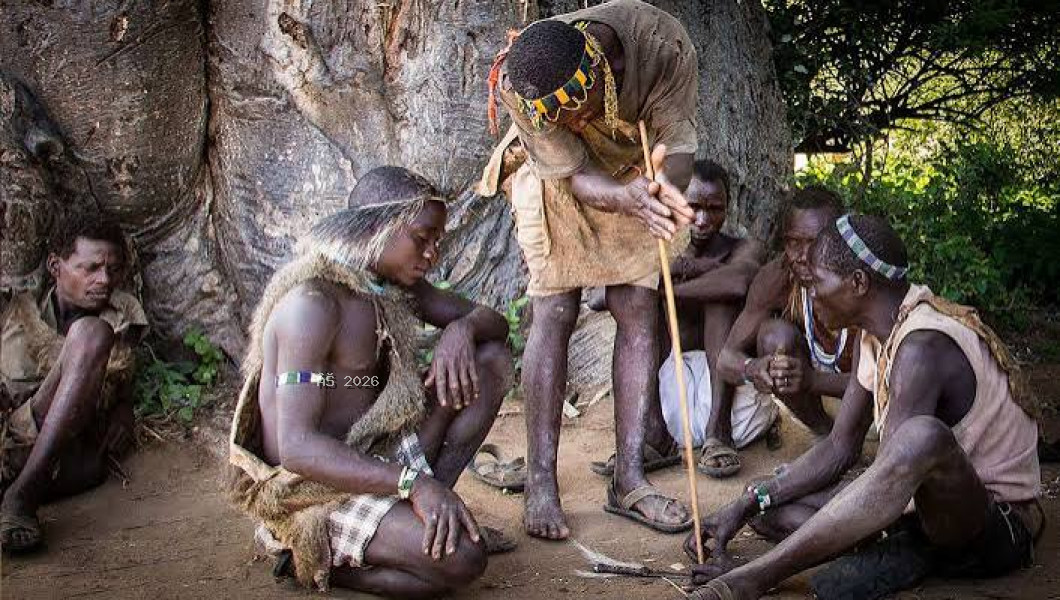
Lake Eyasi is internationally known for the Hadzabe and Datoga communities whose traditional lifestyles remain closely connected to hunting, gathering, craftsmanship, and survival practices that have existed for generations.
The cultural experience offers insight into local traditions, traditional hunting techniques, community interaction, and the relationship between local people and the natural environment.
After the experience, continue toward Arusha through scenic Rift Valley landscapes and northern Tanzania highlands.
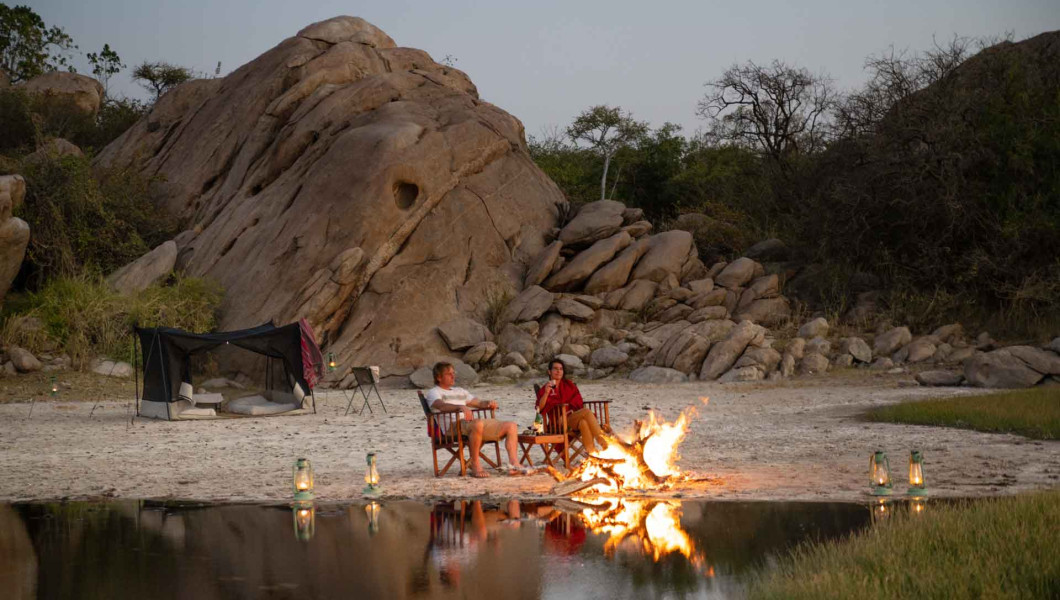
• Transfer to Kilimanjaro International Airport.
• International departure flight.
After breakfast and depending on your international flight schedule, transfer to Kilimanjaro International Airport for departure.
This marks the conclusion of your Tanzania calving season migration safari experience combining predator-rich plains, massive migratory herds, volcanic crater ecosystems, cultural exploration, and some of Africa’s most active wildlife environments.
Handpicked wildlife journeys across Serengeti, Ngorongoro, Tarangire & Zanzibar for unforgettable African adventures.


 French
 German
 Spanish
 Italian
 Dutch
Dutch
 Chinese (Simplified)