
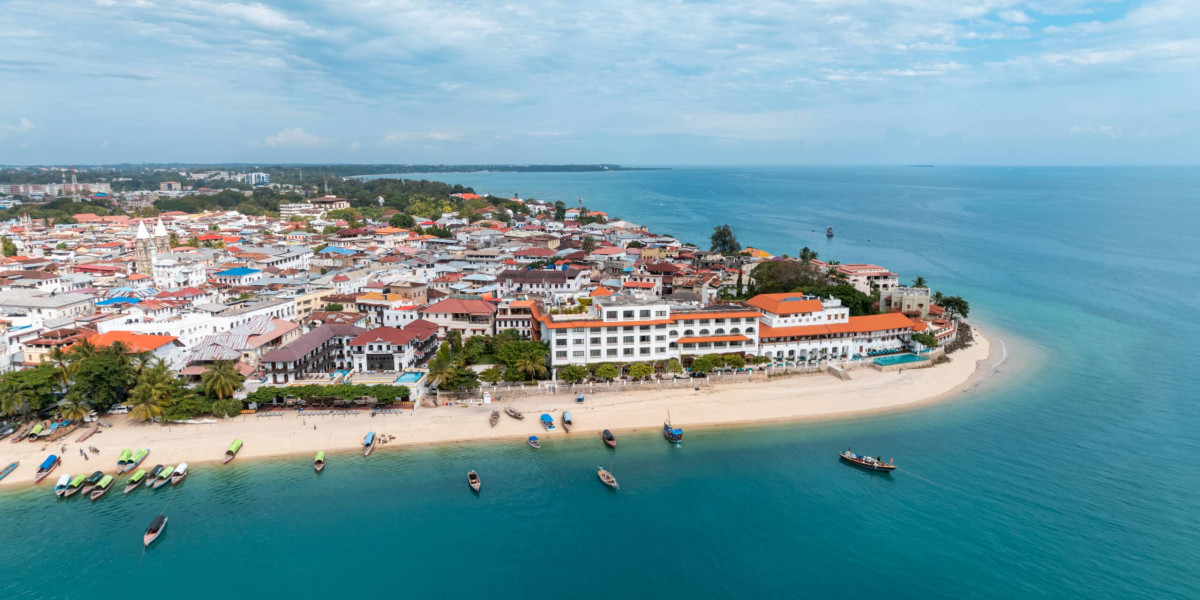
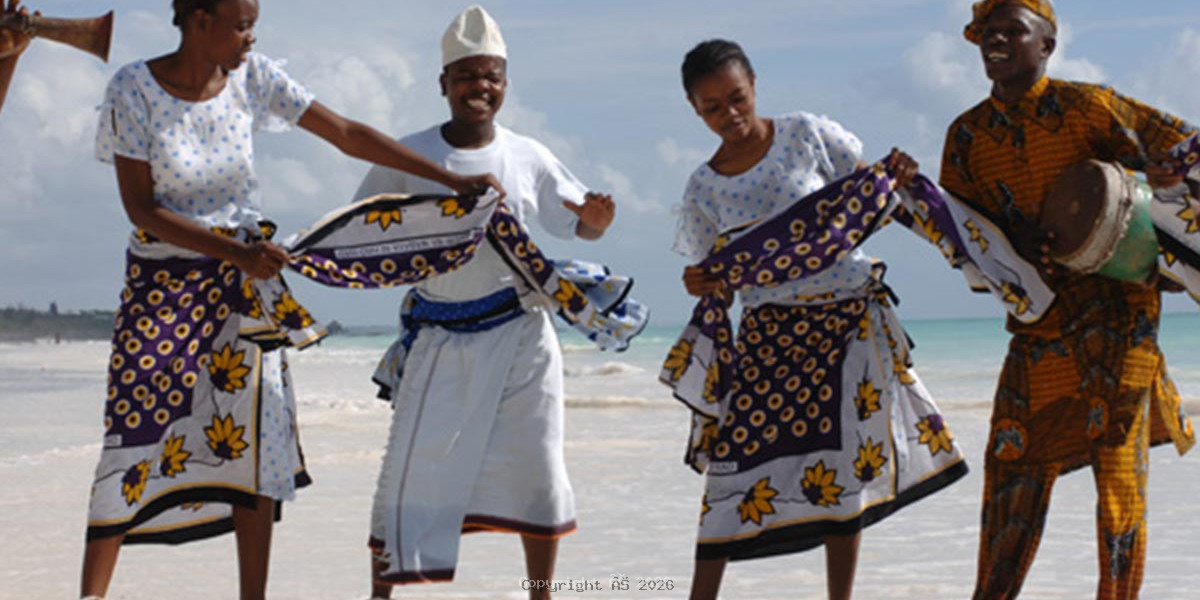
Zanzibar is located in the Indian Ocean approximately 25 to 50 kilometers from the coast of mainland Tanzania. The archipelago consists mainly of Unguja Island and Pemba Island together with several smaller surrounding islands and sandbanks.
The island contains diverse tourism regions, each offering a different atmosphere and travel experience. Northern beaches such as Nungwi and Kendwa are known for active tourism environments, beach nightlife, and sunset experiences. Eastern coastal areas including Paje and Jambiani are internationally recognized for kitesurfing, laid-back beach culture, and long tidal beaches. Stone Town remains the cultural and historical center of the island.
Zanzibar’s strategic Indian Ocean location historically made it one of East Africa’s most important trading centers linking Africa with the Middle East and Asia.
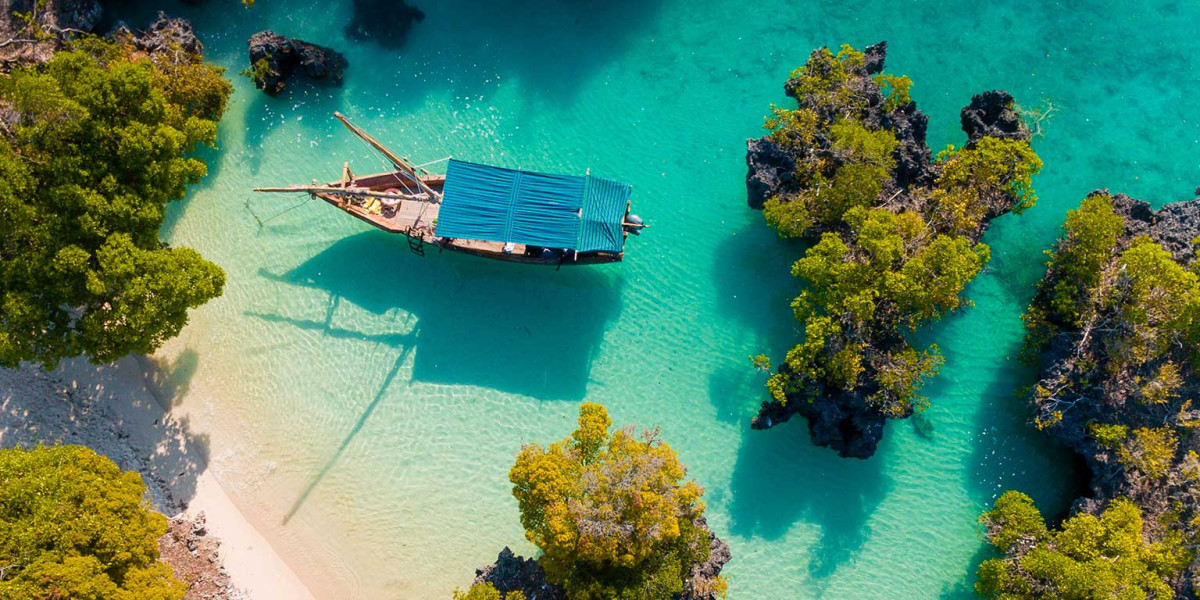
The beach experience in Zanzibar is defined by soft white sand, palm-lined coastlines, warm tropical temperatures, and turquoise Indian Ocean waters. The island offers some of the most visually attractive coastal environments in East Africa.
Travelers visit Zanzibar for:
The marine environment supports coral reefs, tropical fish species, sea turtles, dolphins, and diverse underwater ecosystems. Different beaches offer different experiences depending on travel style and activity preference.
Northern Zanzibar beaches generally provide calmer tides and stronger nightlife activity, while eastern beaches create quieter and more eco-tourism-focused environments influenced by changing ocean tides.
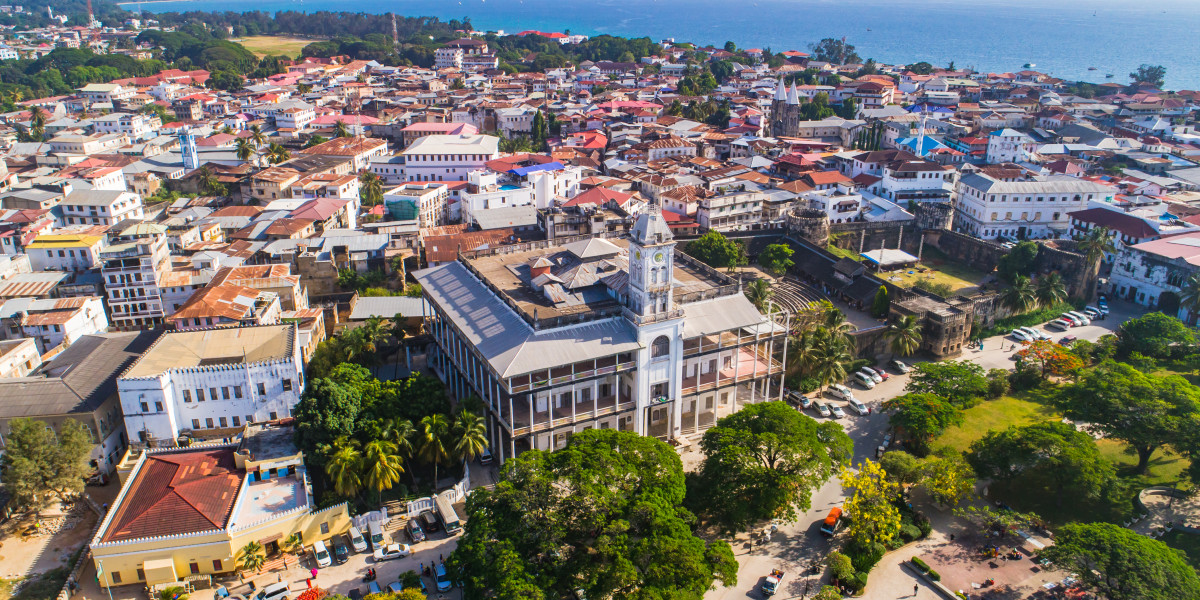
Stone Town is the cultural and historical heart of Zanzibar and one of the most important heritage sites in East Africa. Recognized as a UNESCO World Heritage Site, Stone Town reflects centuries of cultural exchange and commercial activity across the Indian Ocean.
The town is characterized by:
Stone Town played a major role during the spice trade era and later became closely connected to the East African slave trade system. Today, the area combines historical preservation with active local life including markets, seafood restaurants, cultural tours, and waterfront activities.
Walking through Stone Town offers insight into Zanzibar’s layered cultural identity shaped over centuries.
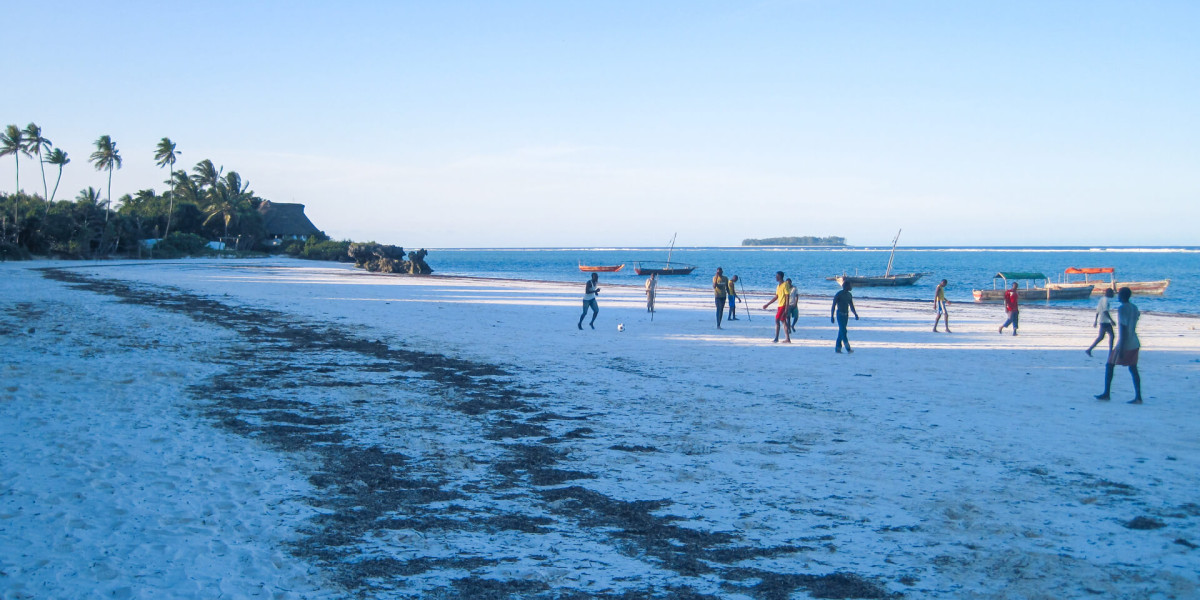
Zanzibar’s marine ecosystems form a major part of the island’s tourism appeal. Coral reefs surrounding the island support rich biodiversity and year-round ocean activities.
Travelers commonly experience:
Popular marine zones include Mnemba Atoll and Menai Bay, both known for coral reef systems and clear-water visibility.
The island’s warm tropical water temperatures make Zanzibar one of the strongest marine tourism destinations in the Indian Ocean region.
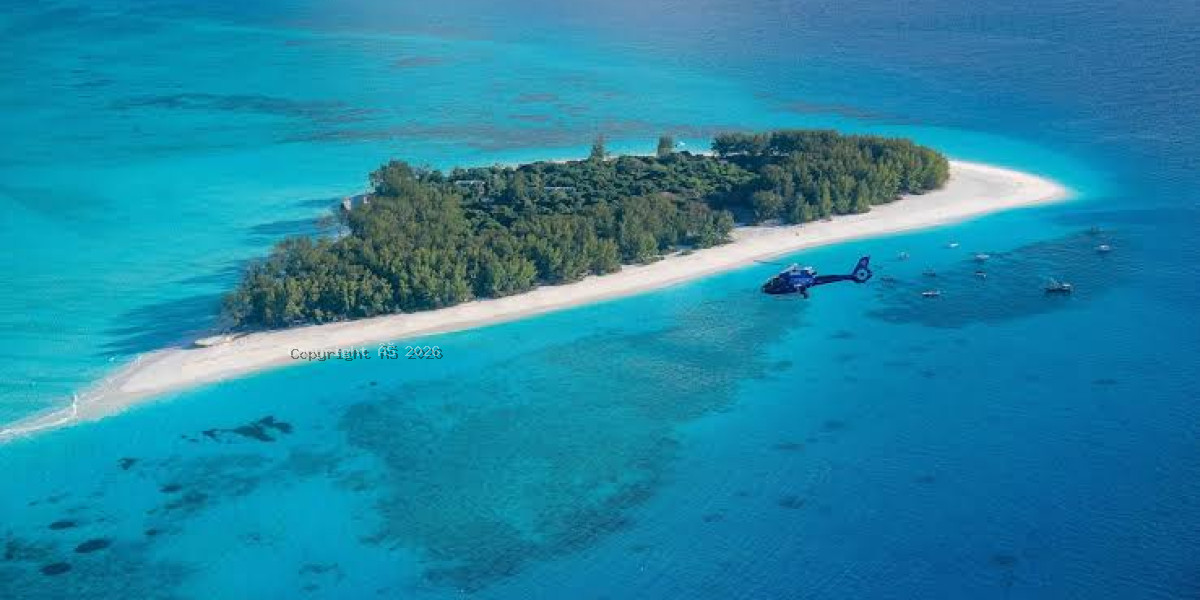
Zanzibar offers a broad range of accommodation options ranging from backpacker guesthouses to ultra-luxury private beach resorts.
Travelers can choose between:
Different regions of Zanzibar cater to different travel styles including honeymoon travel, luxury tourism, family holidays, adventure tourism, and eco-tourism experiences.
Many resorts are positioned directly along beachfront areas with strong access to ocean activities and tropical coastal scenery.
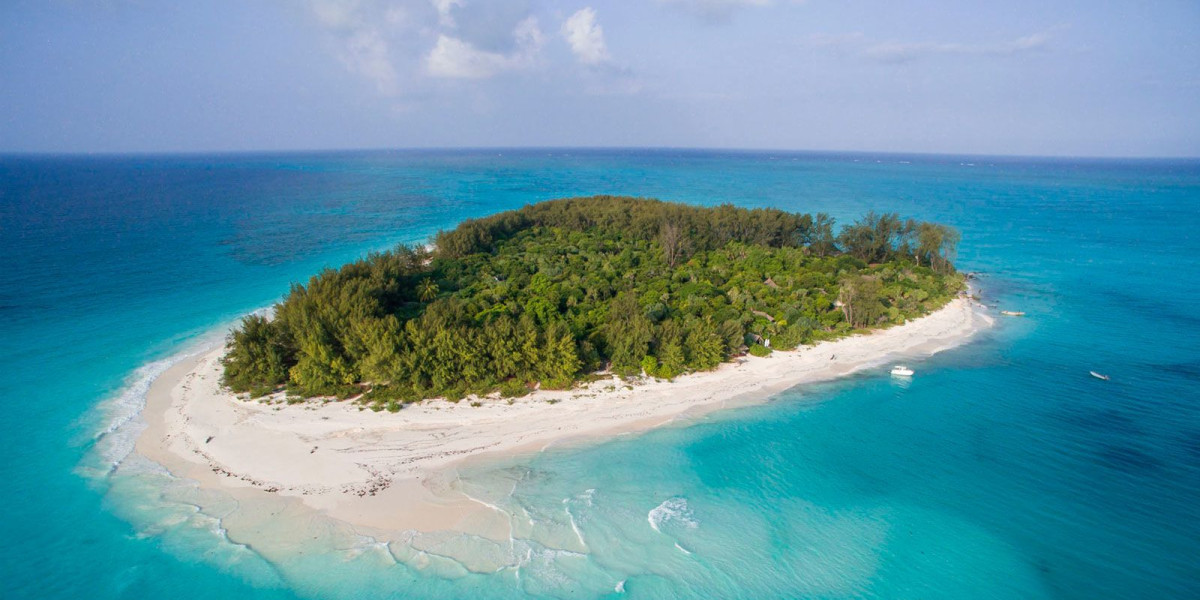
Zanzibar can be accessed both by air and sea from mainland Tanzania and international destinations.
By Air
Travelers arrive through Zanzibar International Airport using:
By Ferry
High-speed ferries operate daily between Dar es Salaam and Zanzibar.
The ferry journey across the Indian Ocean typically takes approximately two hours.

Zanzibar remains one of Africa’s strongest island destinations because it combines beaches, marine ecosystems, cultural heritage, tropical climate, and luxury tourism within a single destination.
The island offers:
Unlike destinations focused on only one experience, Zanzibar combines relaxation, culture, adventure, and marine tourism into one highly versatile island environment.
Its ability to connect seamlessly with Tanzania safaris also makes Zanzibar one of the world’s most popular “bush-to-beach” travel combinations.

 French
 German
 Spanish
 Italian
 Dutch
Dutch
 Chinese (Simplified)