The climb begins at Machame Gate within Mount Kilimanjaro after registration with park authorities. The trek starts in dense montane rainforest filled with giant trees, moss-covered vegetation, and rich biodiversity.
The trail ascends steadily through humid forest zones where hikers may encounter colobus monkeys, birds, and lush tropical vegetation. The environment is humid and scenic, with narrow winding paths leading deeper into the mountain ecosystem.
By late afternoon, arrival at Machame Camp marks the first overnight stop on the mountain.
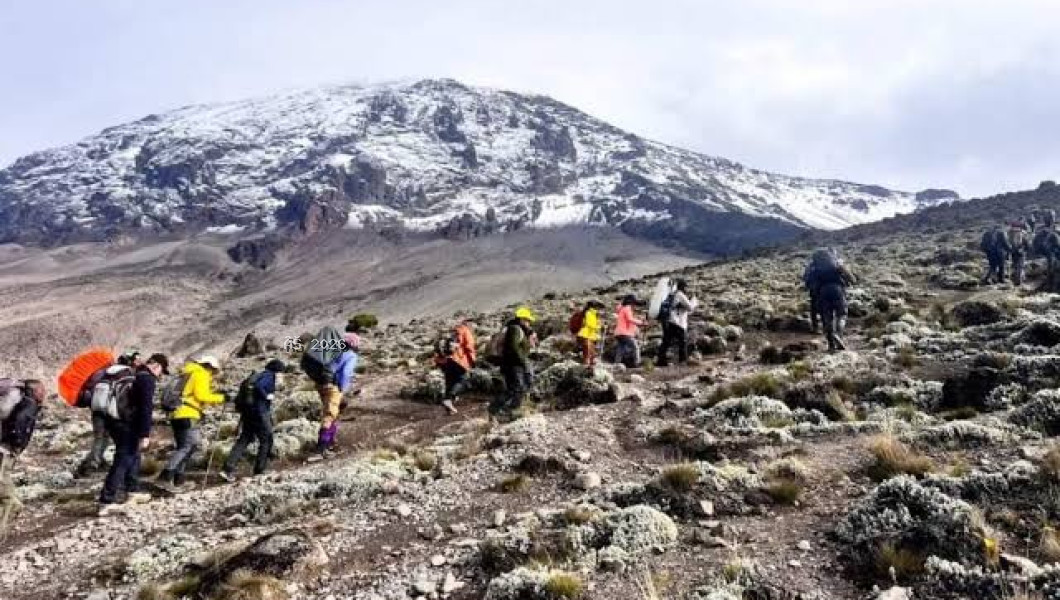
After breakfast, the trail continues upward through the transition zone where rainforest gradually changes into moorland vegetation. The landscape becomes more open with volcanic rock formations and sweeping views of the mountain.
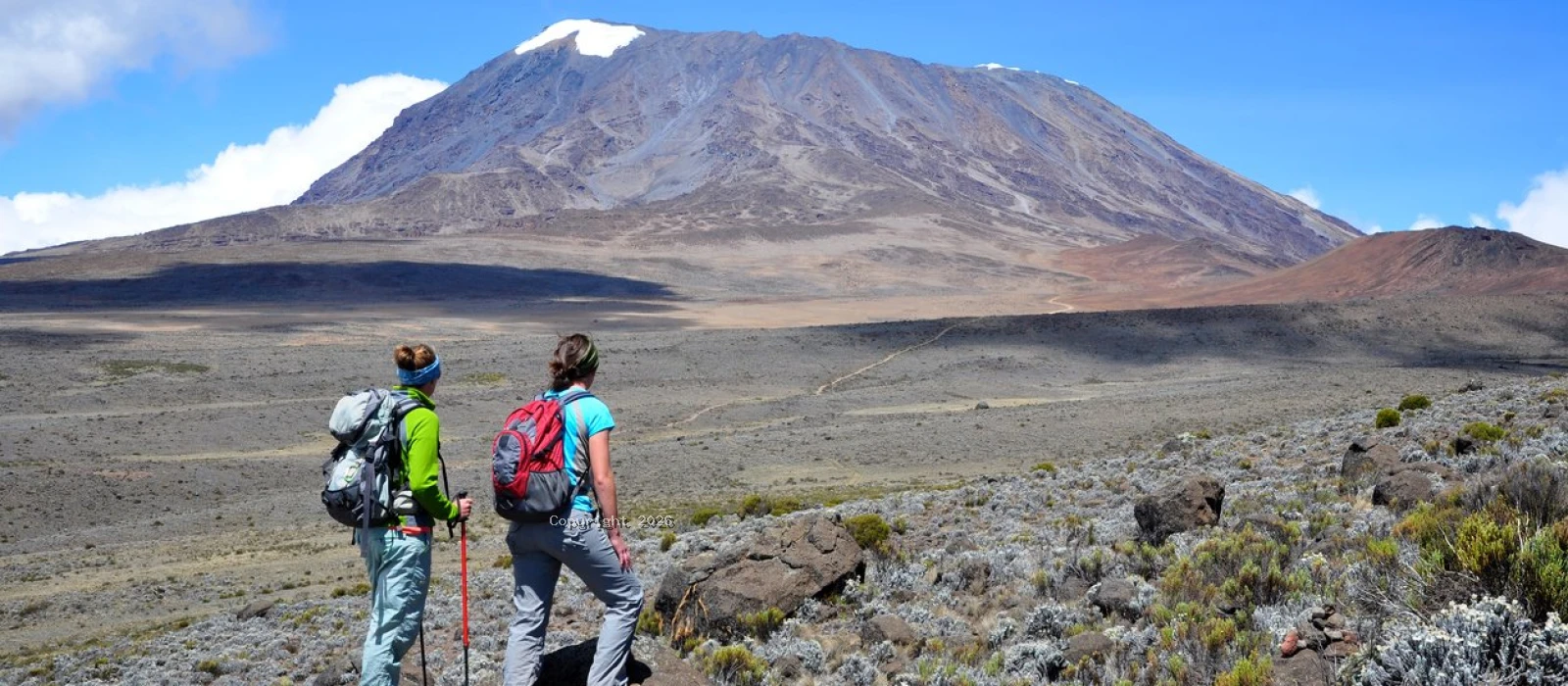
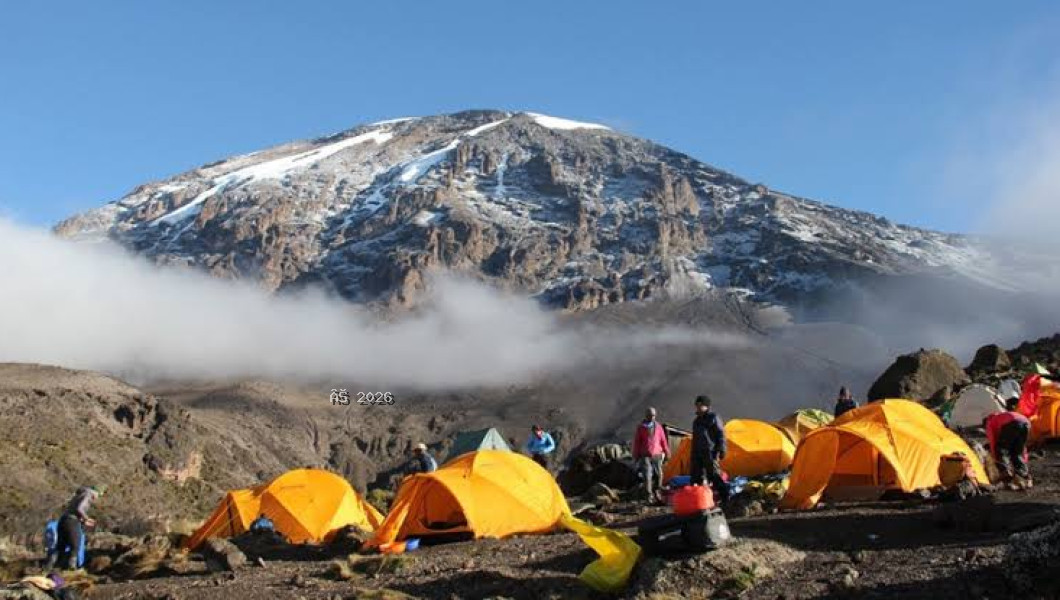
As altitude increases, climbers begin to see the dramatic structure of Kilimanjaro’s summit cone. The air becomes thinner and cooler, requiring steady pacing and hydration.
Arrival at Shira Camp offers wide views across the Shira Plateau and surrounding landscapes.
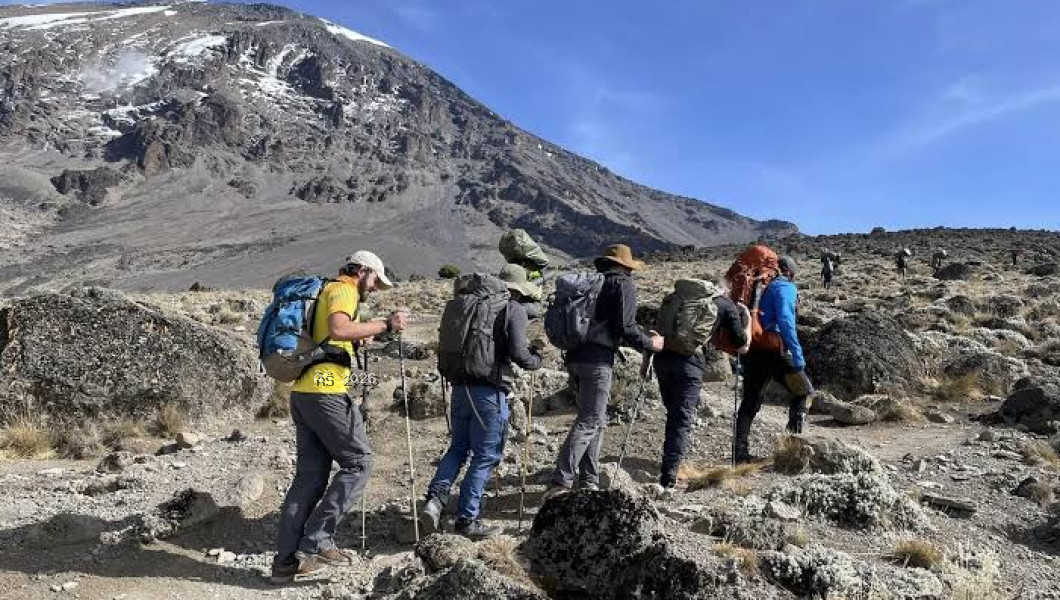
This is a key acclimatization day on Mount Kilimanjaro where climbers ascend to higher altitude before descending for better adaptation.
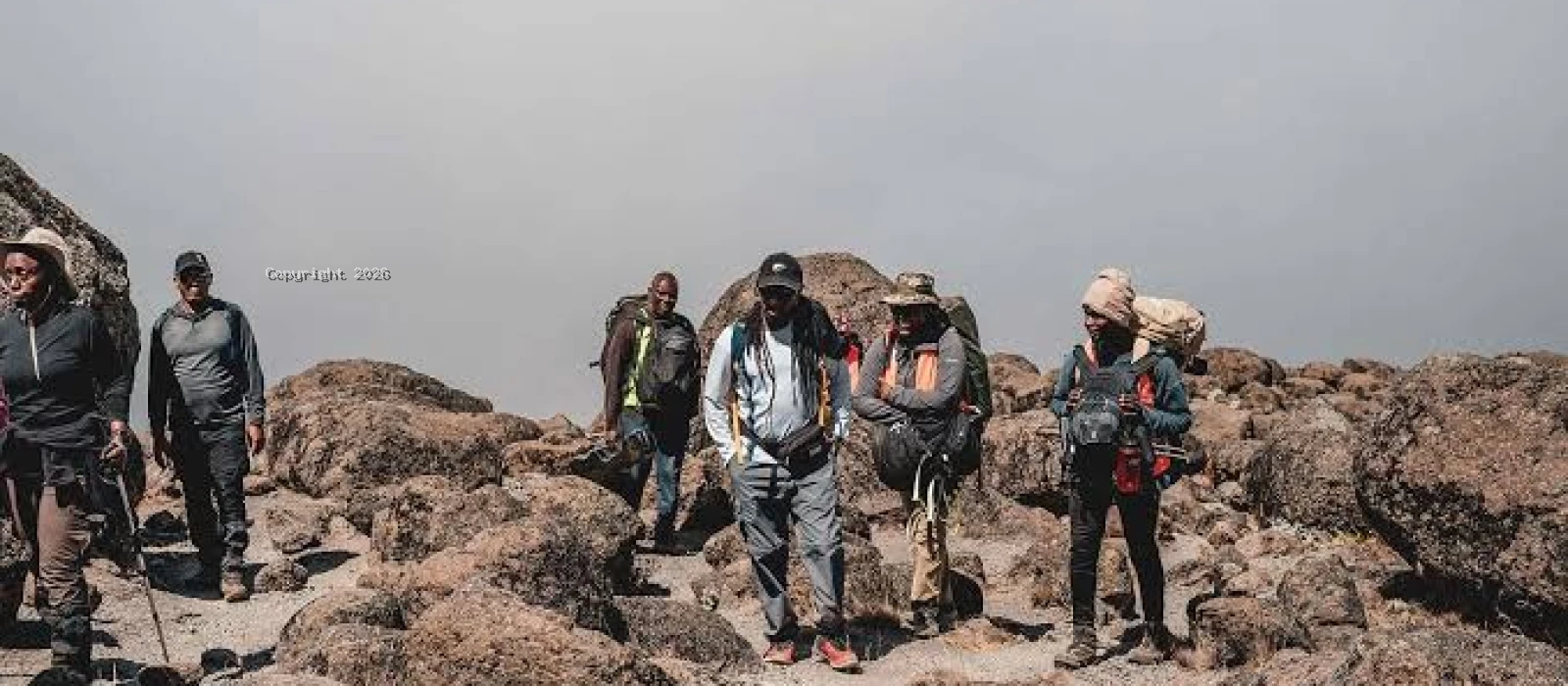
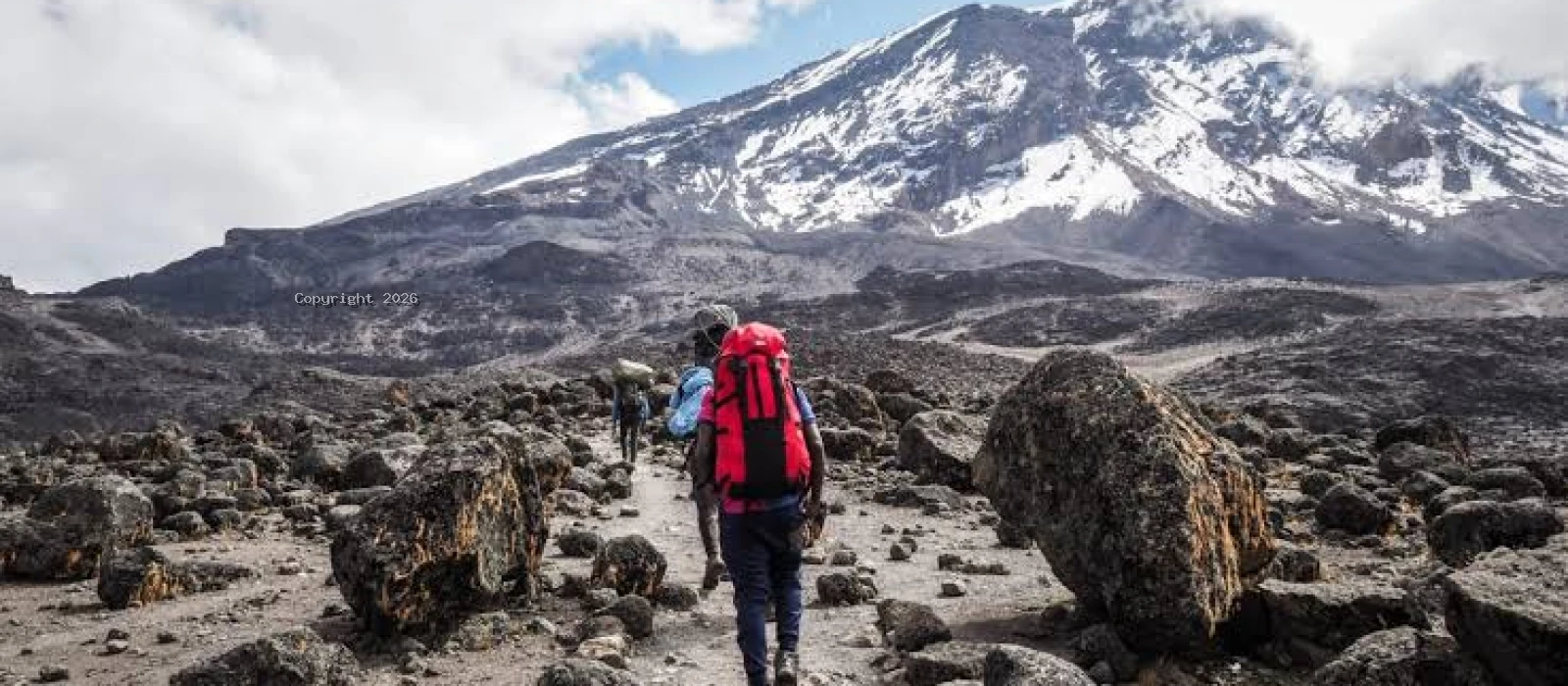
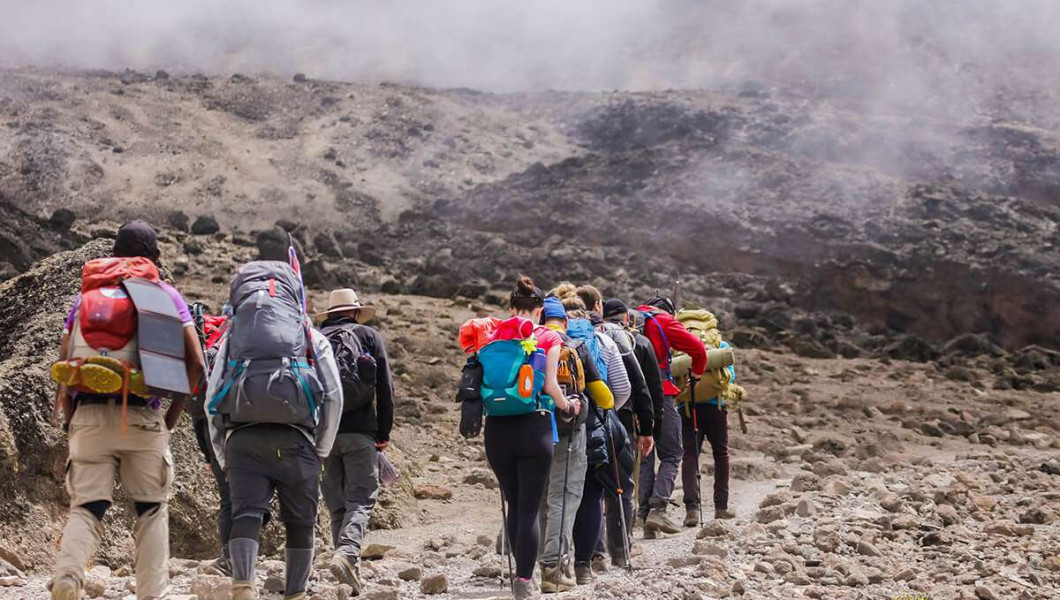
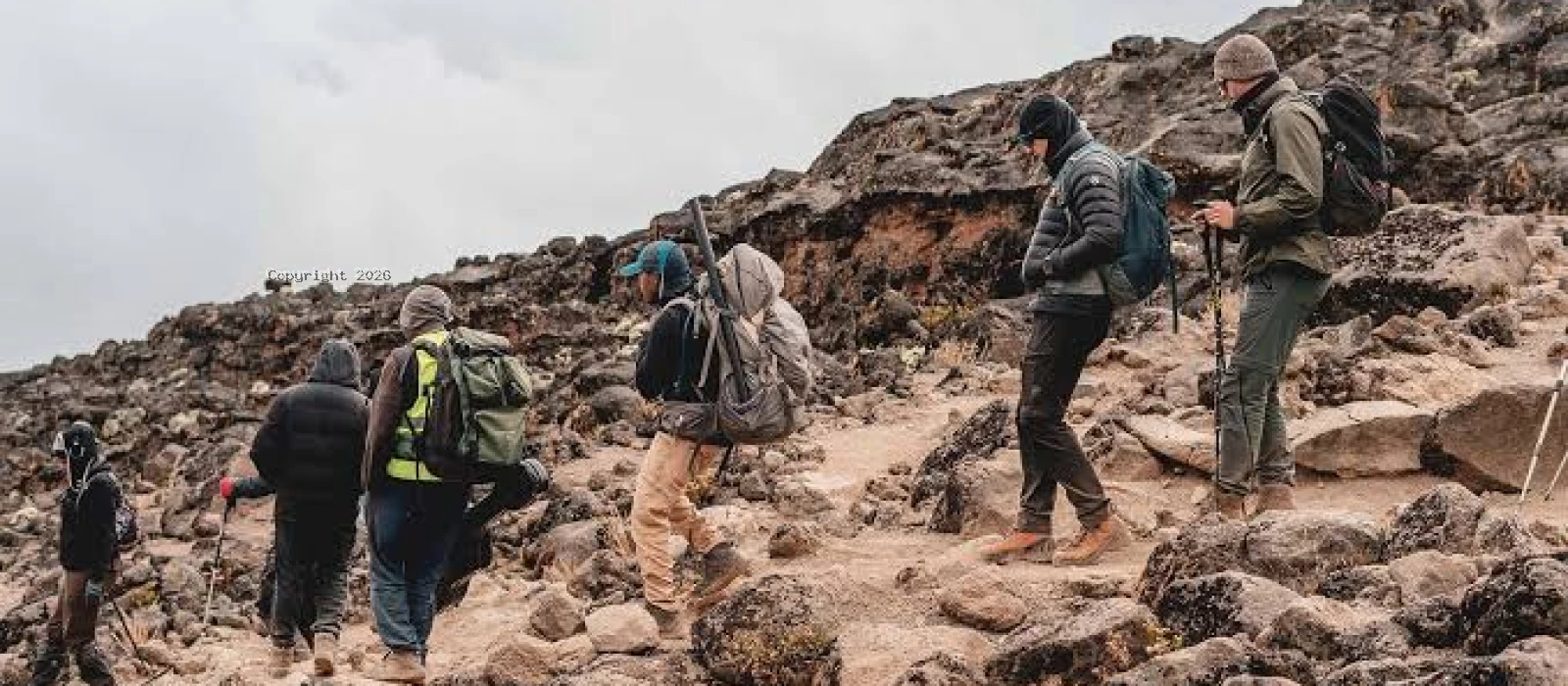
The route passes through alpine desert landscapes toward Lava Tower, a volcanic rock formation that serves as a high-altitude acclimatization point. The environment becomes harsher with colder temperatures and rocky terrain.
After lunch and acclimatization at Lava Tower, the descent continues into Barranco Valley, a dramatic area surrounded by giant senecio plants and steep cliffs.
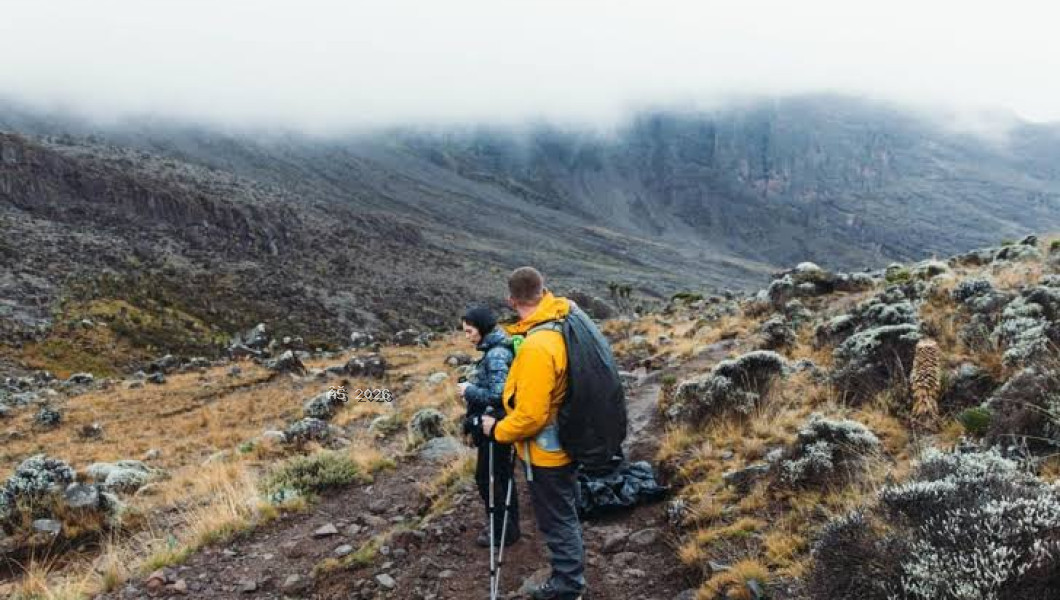
The day begins with the climb of the famous Barranco Wall, a steep but non-technical section that rewards climbers with panoramic views over the valley below.
After the wall, the route continues through ridges and valleys with alternating ascents and descents, allowing continued acclimatization before the summit push.
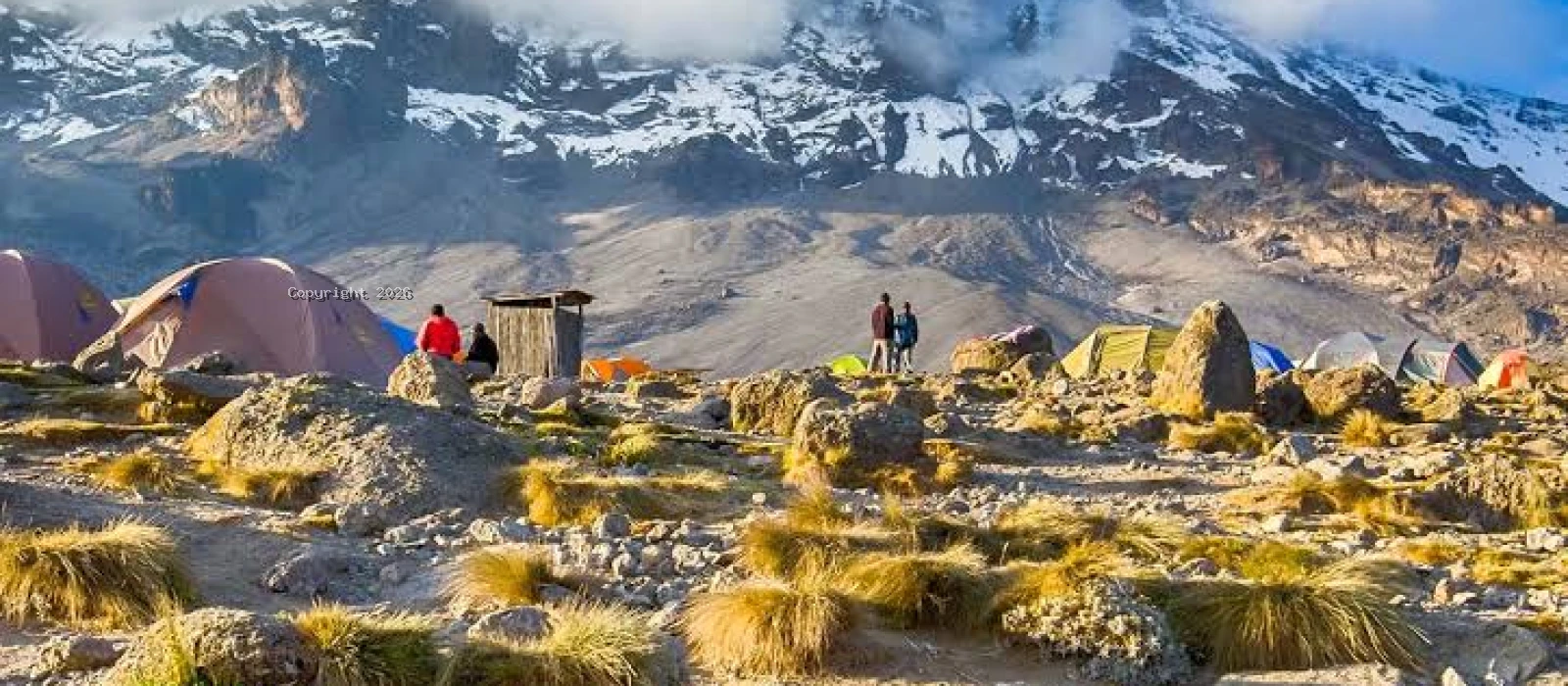
The terrain becomes more exposed and colder as climbers approach Karanga Camp, a key resting point before the final ascent phase
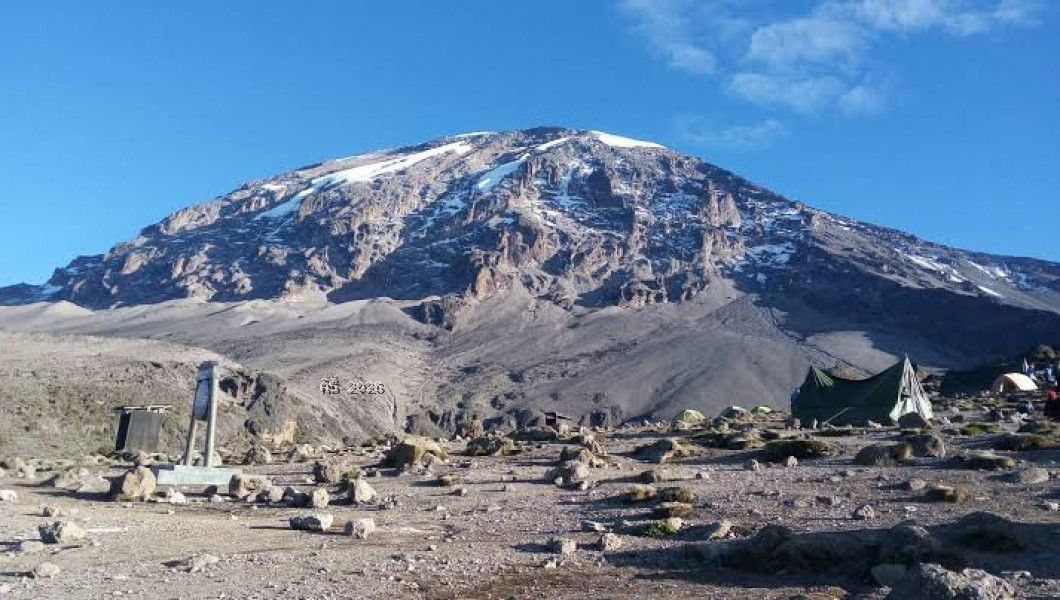
After breakfast, the trail continues into high alpine desert terrain with minimal vegetation and increasingly harsh weather conditions.
The climb is steady but demanding as climbers gain altitude toward Barafu Camp, the final base before the summit attempt on Mount Kilimanjaro.
Upon arrival, climbers rest early and prepare gear for the midnight summit attempt, including warm clothing, hydration, and energy preparation.
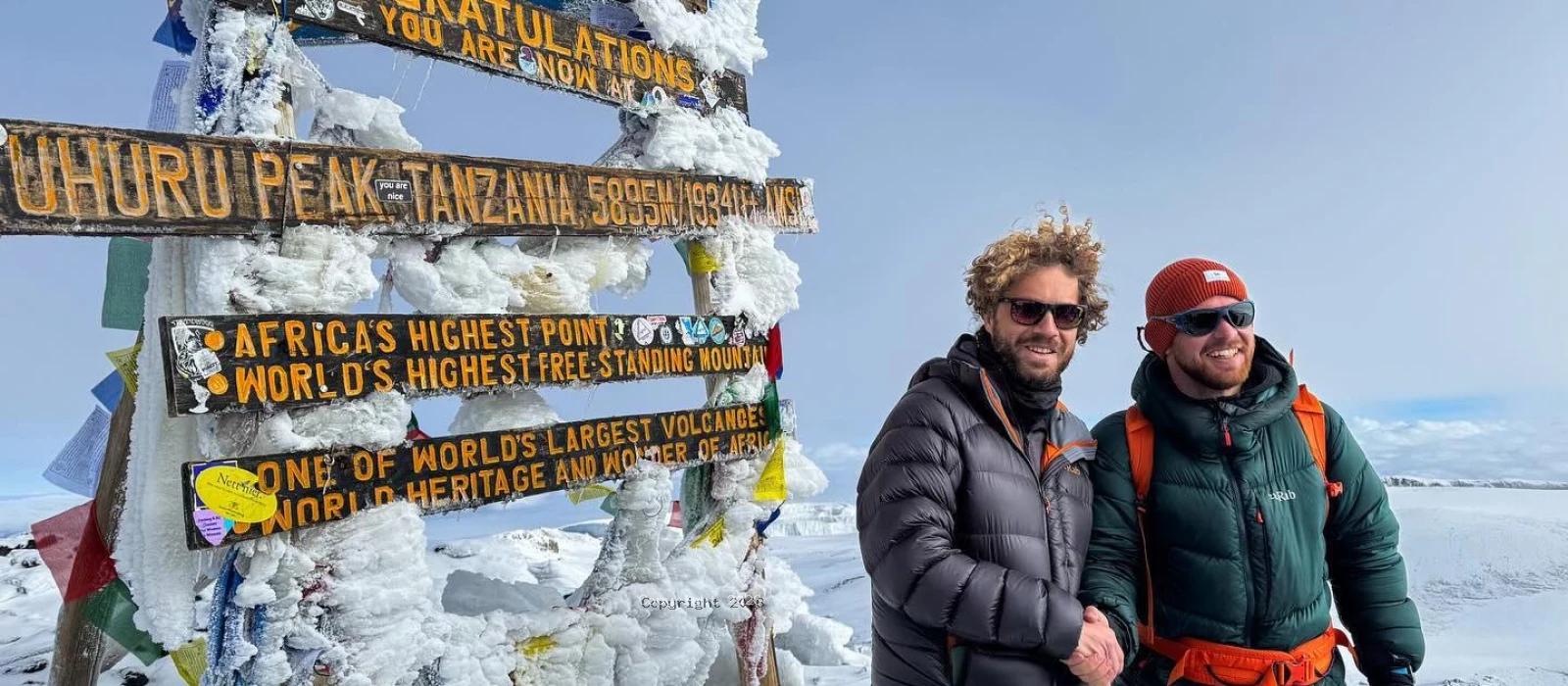
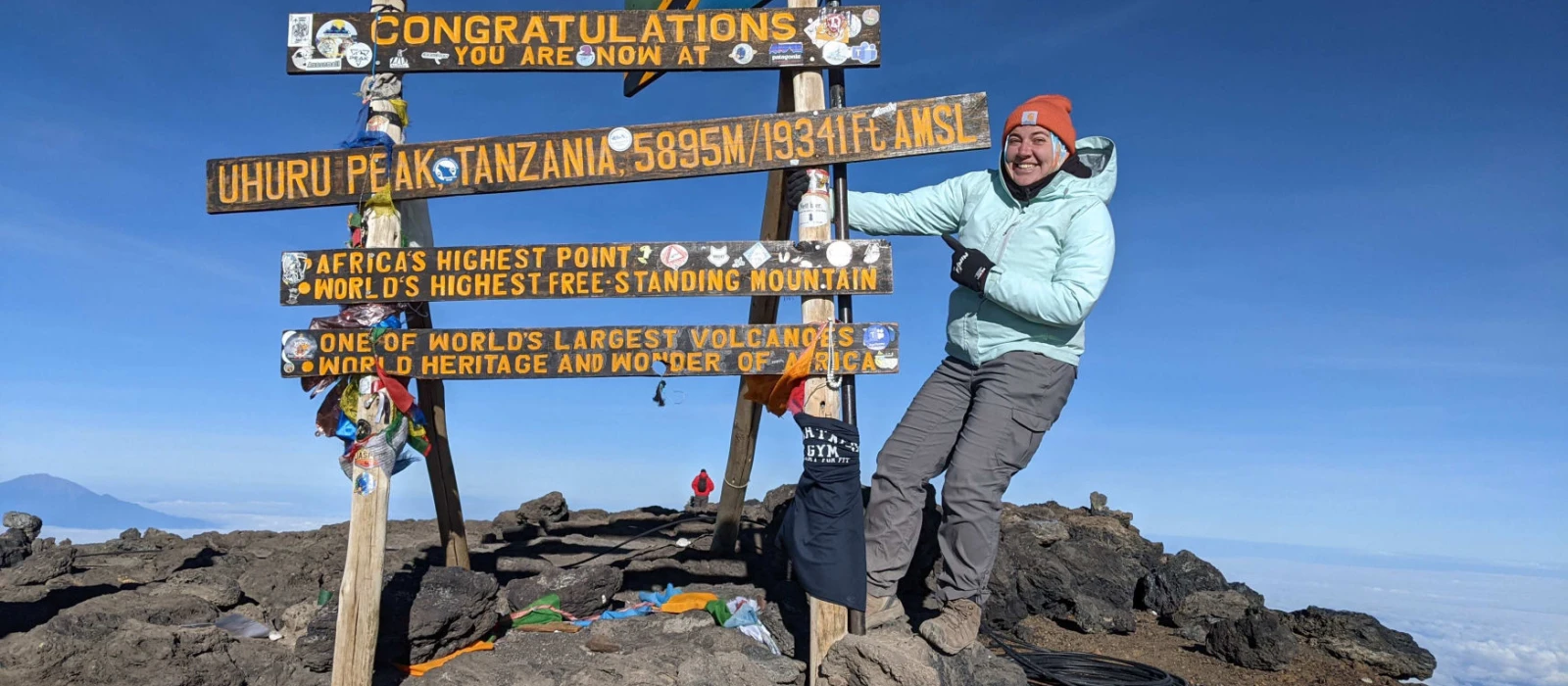
Around midnight, the summit ascent begins under cold and dark conditions using headlamps. Climbers move slowly and steadily toward Stella Point and finally Uhuru Peak at 5,895 meters, the highest point in Africa.
Sunrise at the summit offers breathtaking views over glaciers, volcanic craters, and the vast landscapes of Tanzania. After summit celebration and photography, the descent begins back to Barafu and continues down to Mweka Camp.
The final descent continues through rainforest zones back to Mweka Gate where climbers receive certificates before transferring to Arusha.
Handpicked wildlife journeys across Serengeti, Ngorongoro, Tarangire & Zanzibar for unforgettable African adventures.

 French
 German
 Spanish
 Italian
 Dutch
Dutch
 Chinese (Simplified)