Hiking Details
Hiking: 4–5 Hours
Overnight Altitude: 2,700 m
Habitat: Rainforest
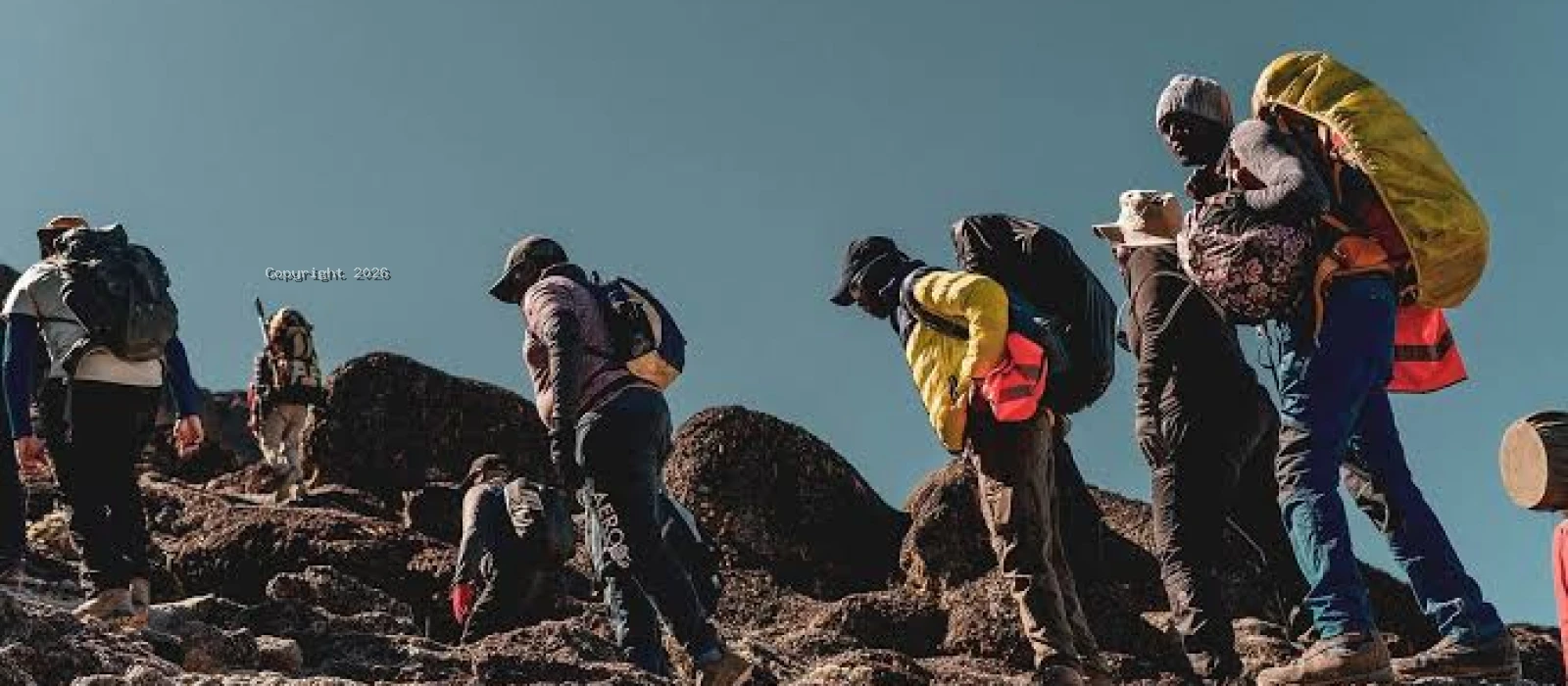
The climb begins at Rongai Gate after registration with park authorities on the northern side of Mount Kilimanjaro. The trail passes through cultivated farmlands and forest edges before entering a quiet rainforest zone.
The environment is peaceful and less humid compared to southern routes, offering a gentle introduction to the mountain. Wildlife sightings such as monkeys and birds are possible in the forest section.
Arrival at Simba Camp offers views across the Kenyan plains.
Hiking Details
Hiking: 3–4 Hours
Overnight Altitude: 3,450 m
Habitat: Moorland
The trail continues steadily upward into heath and moorland zones. Vegetation becomes thinner with open landscapes and volcanic views beginning to emerge.
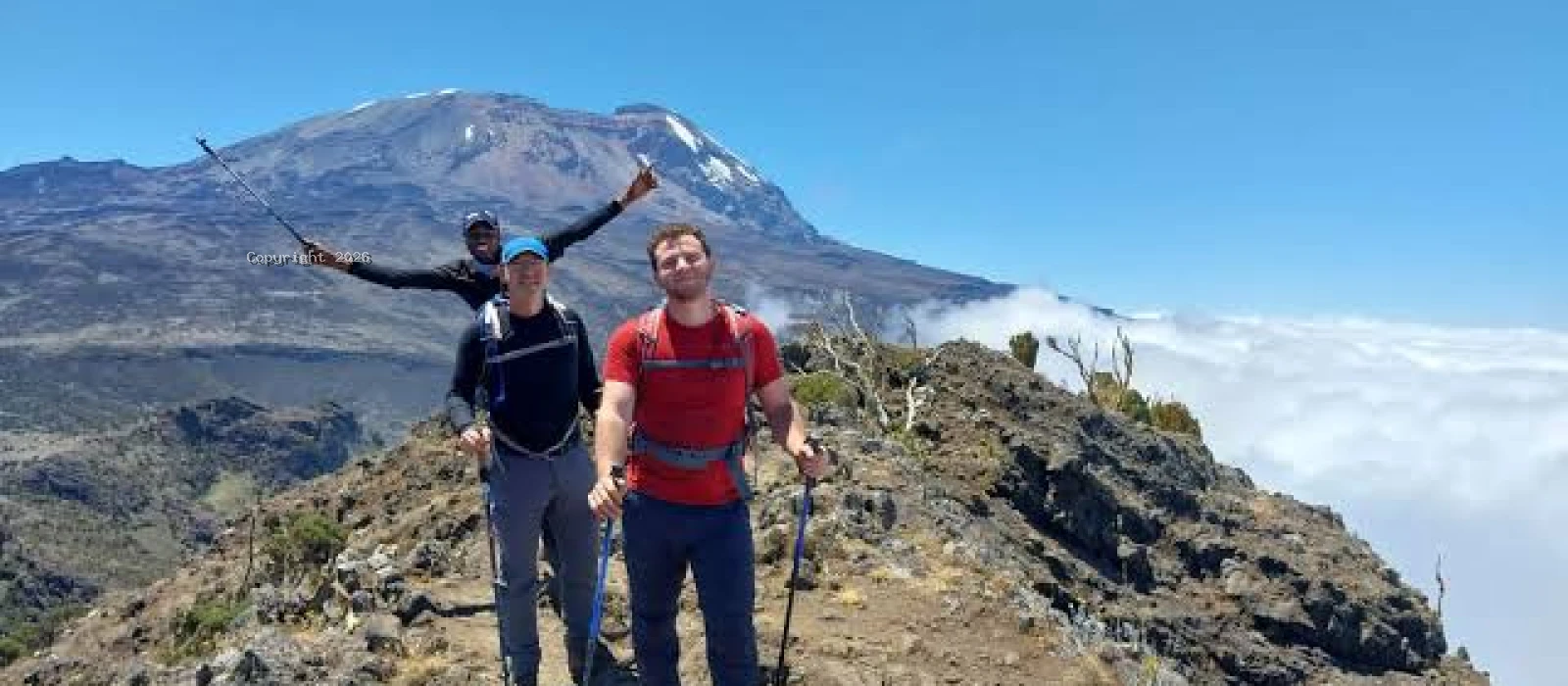
As altitude increases, climbers enjoy wide views of Kibo peak and the eastern glacier slopes. The environment is dry and scenic with unique alpine vegetation.
Arrival at Second Cave offers a sheltered resting point near giant senecio plants.
Hiking Details
Hiking: 3–4 Hours
Overnight Altitude: 3,870 m
Habitat: Moorland
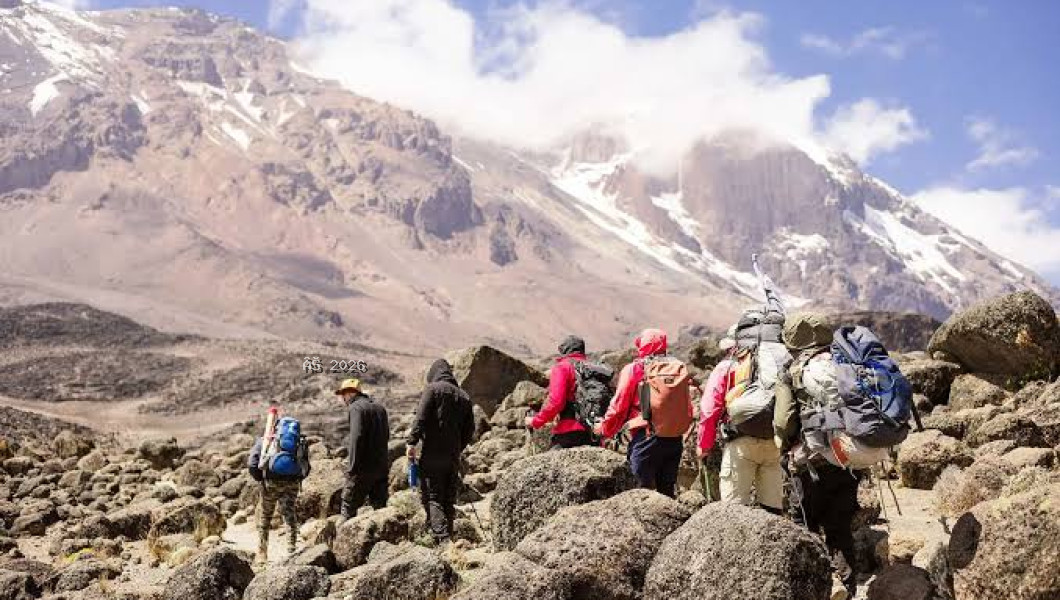
This day is designed for acclimatization on Mount Kilimanjaro. Climbers move slowly across moorland terrain toward Third Cave while allowing the body to adjust to higher altitude.
The landscape features open valleys, rocky slopes, and wide views of Mawenzi and Kibo peaks. This slow progression improves summit success chances significantly.
Arrival at Third Cave provides a quiet and remote mountain camping environment.
Hiking Details
Hiking: 4–5 Hours
Overnight Altitude: 4,330 m
Habitat: Alpine Desert / Moorland
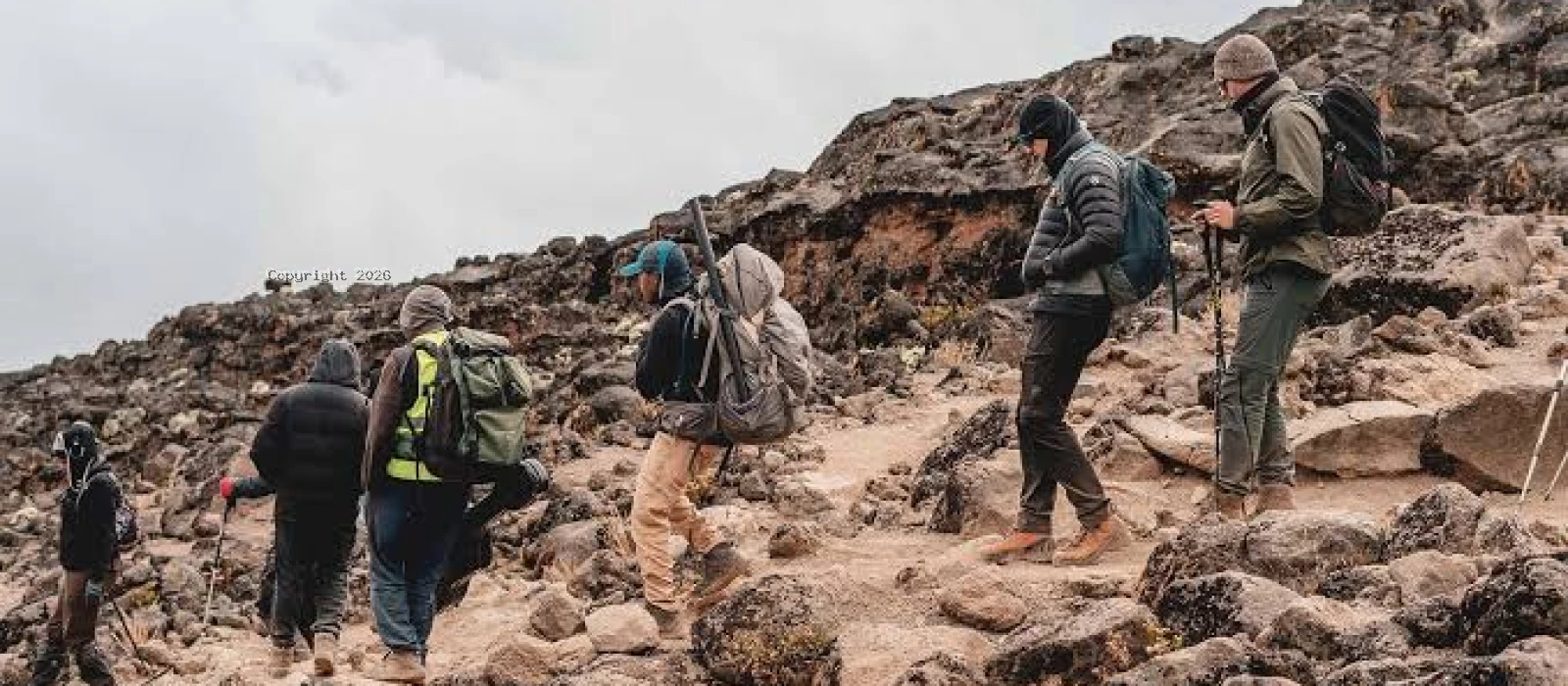
The trail becomes steeper as climbers ascend toward Mawenzi Tarn Hut. The landscape shifts into rocky alpine terrain with dramatic volcanic formations.
This area is one of the most scenic sections of the Rongai Route, offering close-up views of Mawenzi’s jagged peaks and dramatic valleys.
Arrival at Mawenzi Tarn Hut provides one of the most beautiful camping locations on Kilimanjaro.
Hiking Details
Hiking: 6–8 Hours
Overnight Altitude: 4,700 m
Habitat: Alpine Desert
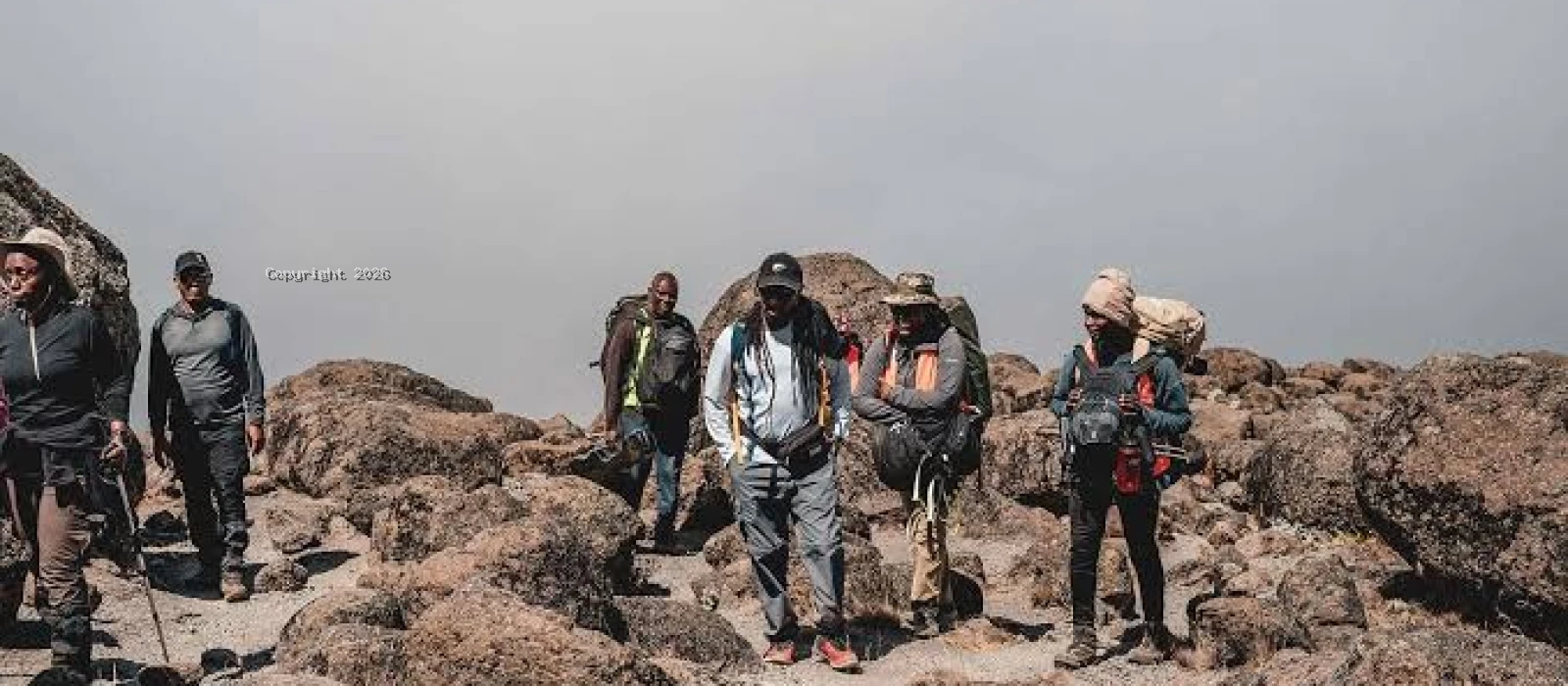
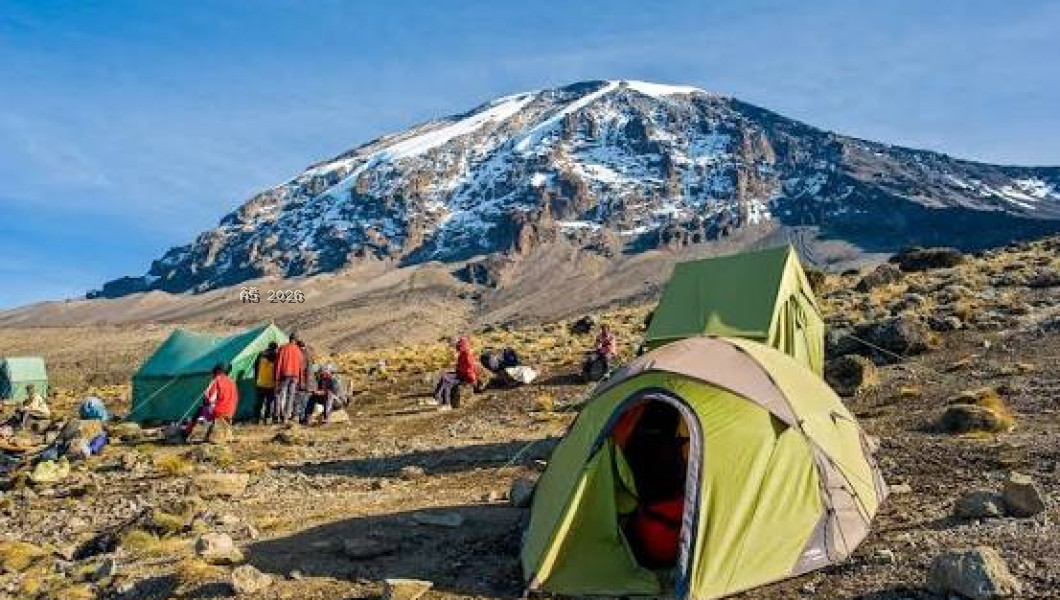
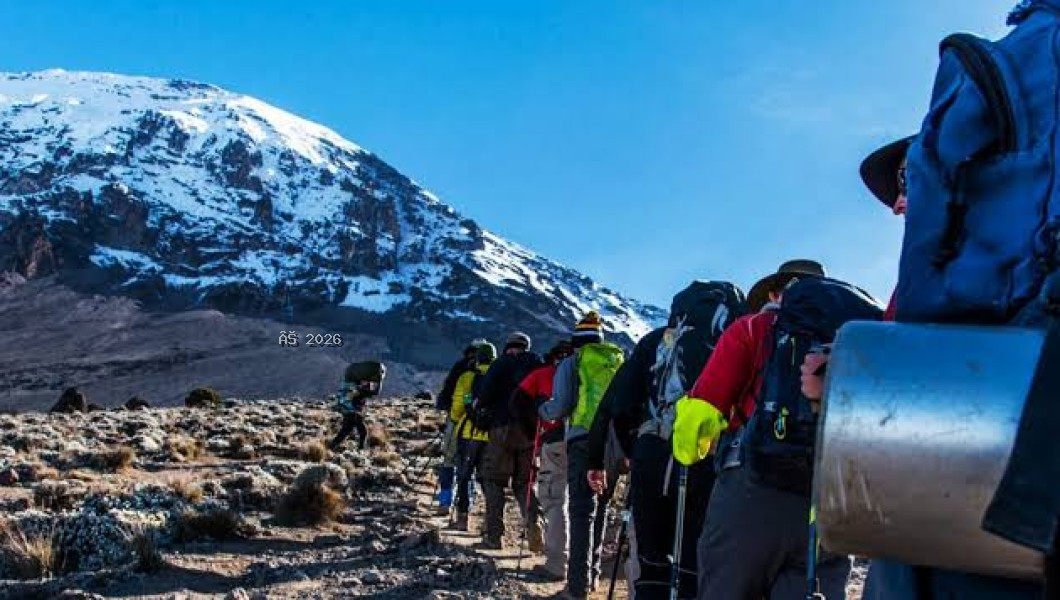
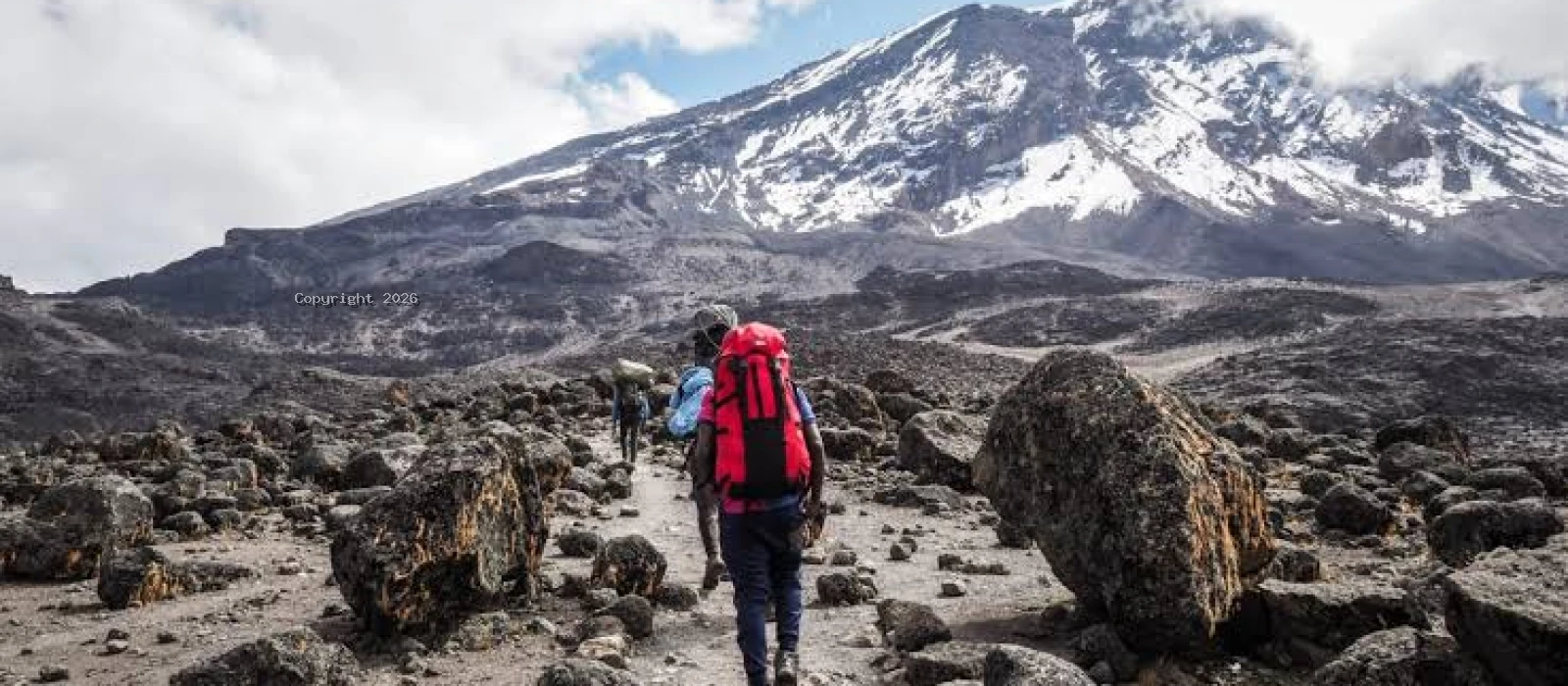
The route crosses the vast “Saddle,” a lunar-like desert connecting Mawenzi and Kibo peaks. The terrain is dry, flat, and exposed with minimal vegetation.
This section is physically demanding due to altitude and temperature changes. Climbers steadily approach Kibo Huts, the final base before summit night.
Preparation begins for the midnight ascent to Uhuru Peak.
Hiking Details
Ascent: 6–8 Hours
Descent: 4–5 Hours
Summit Altitude: 5,895 m
Overnight Altitude: 3,720 m
Habitat: Arctic / Alpine Zones
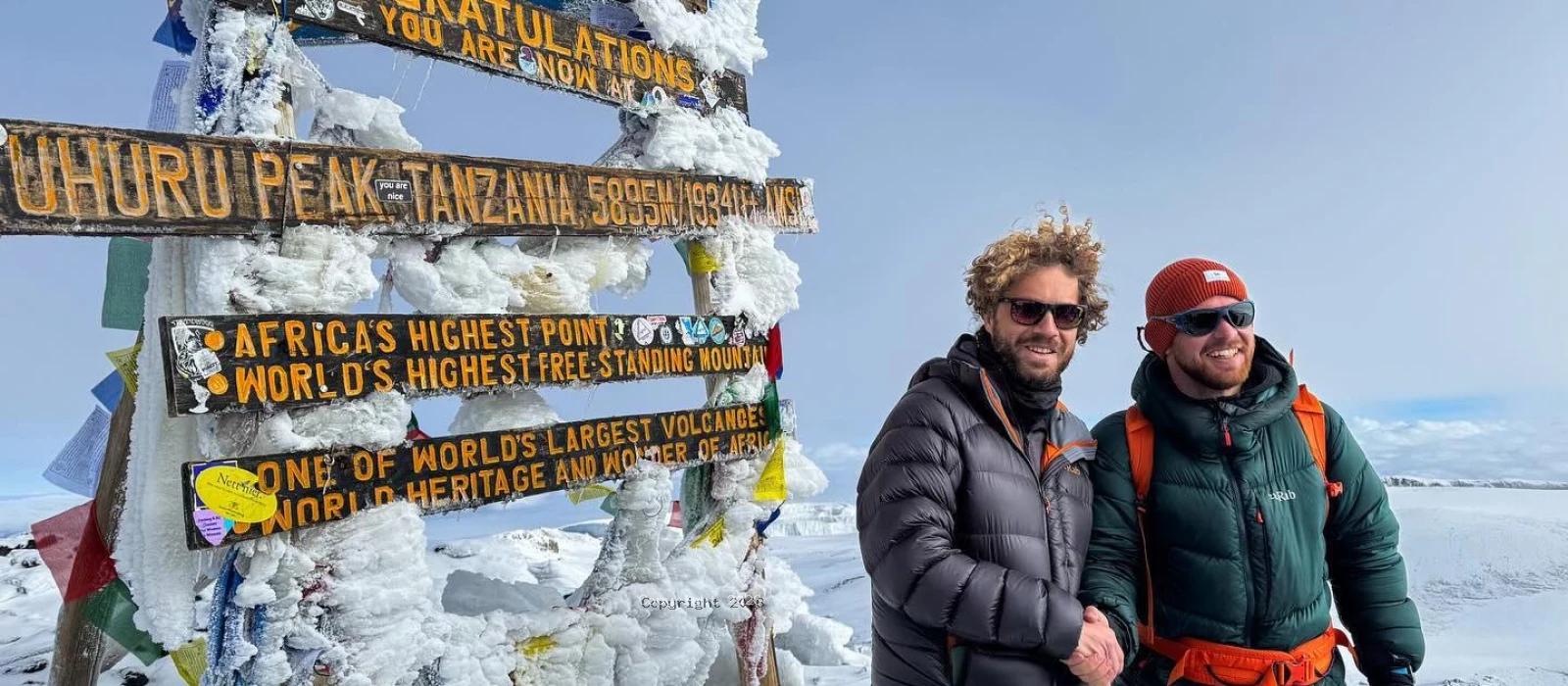
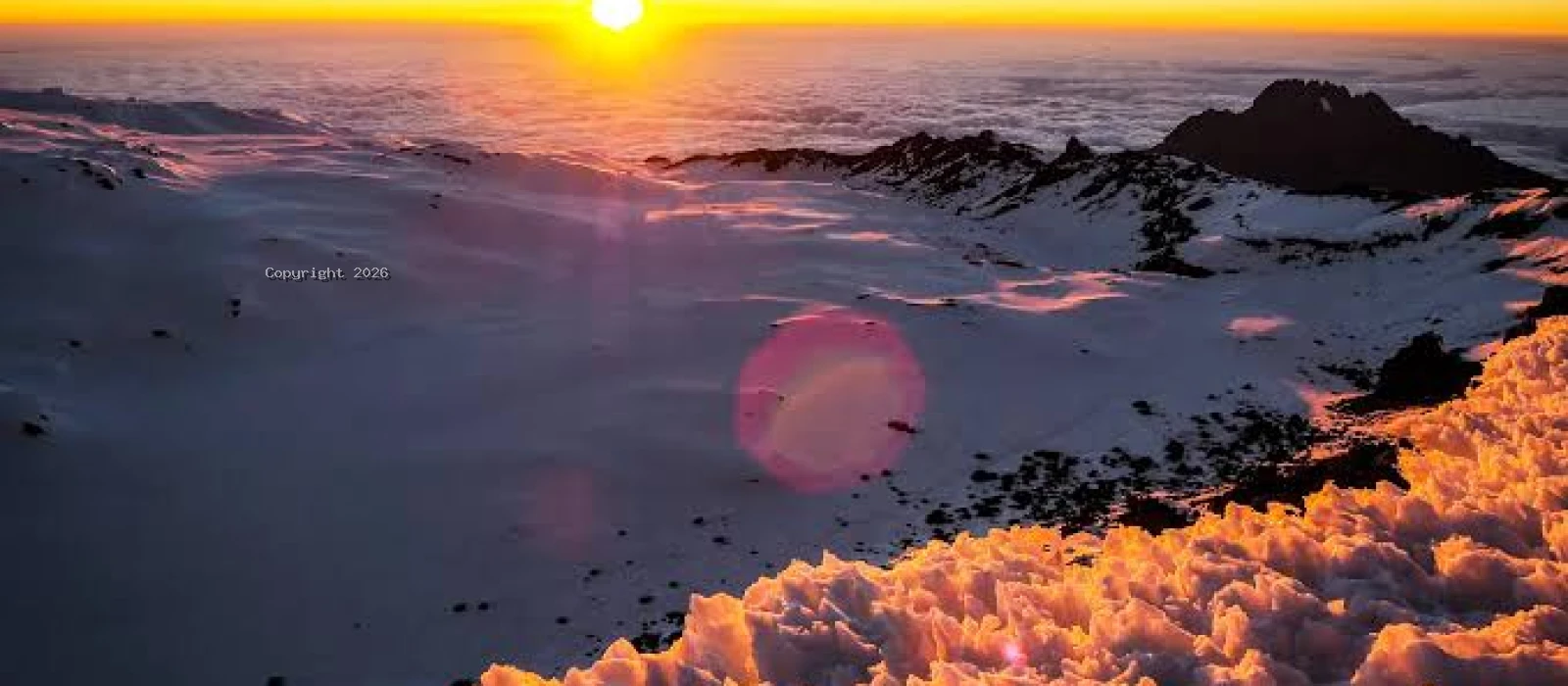
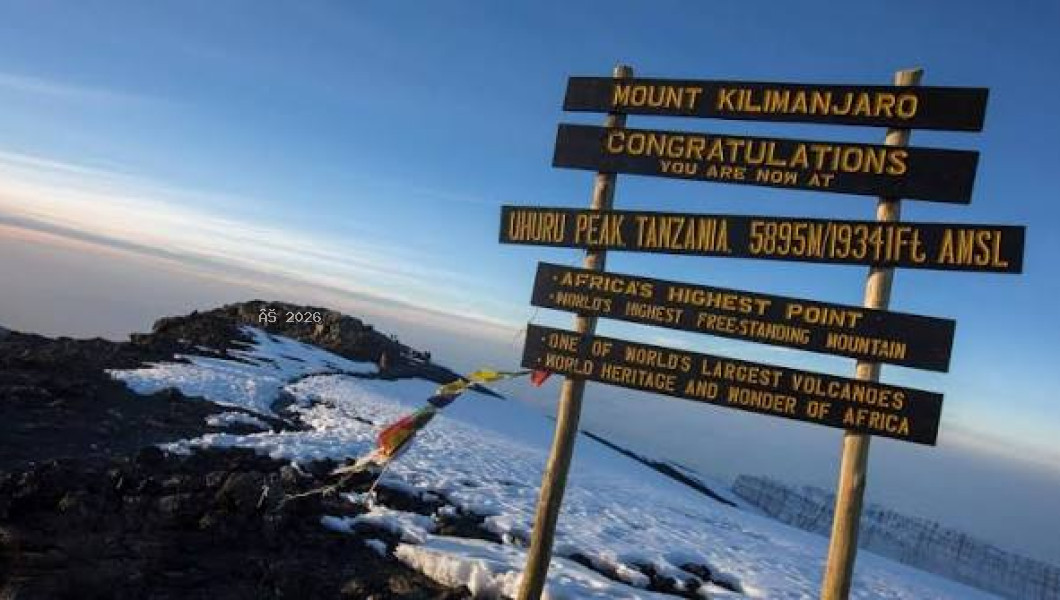
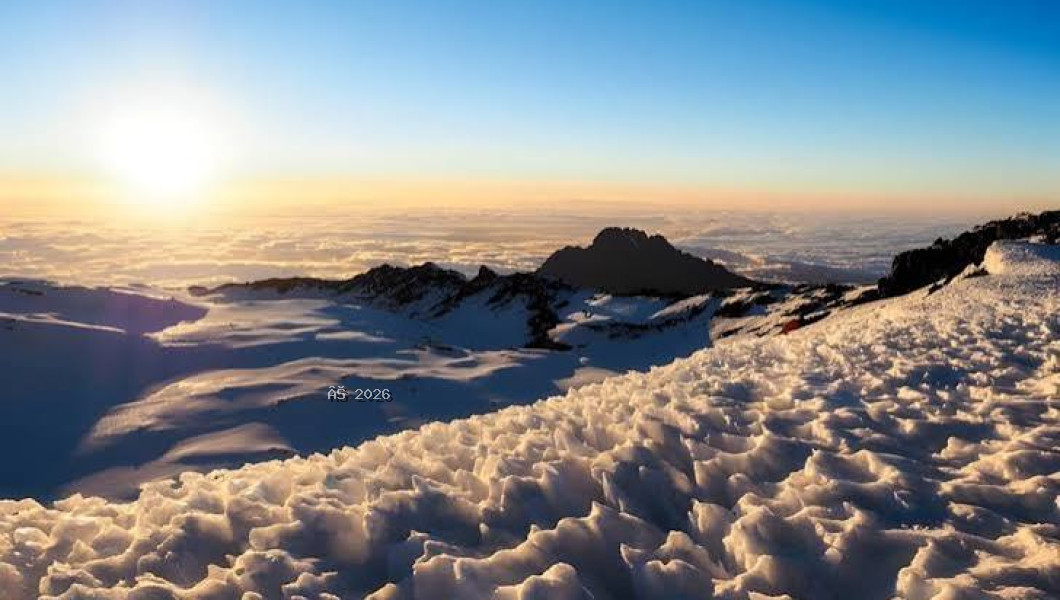
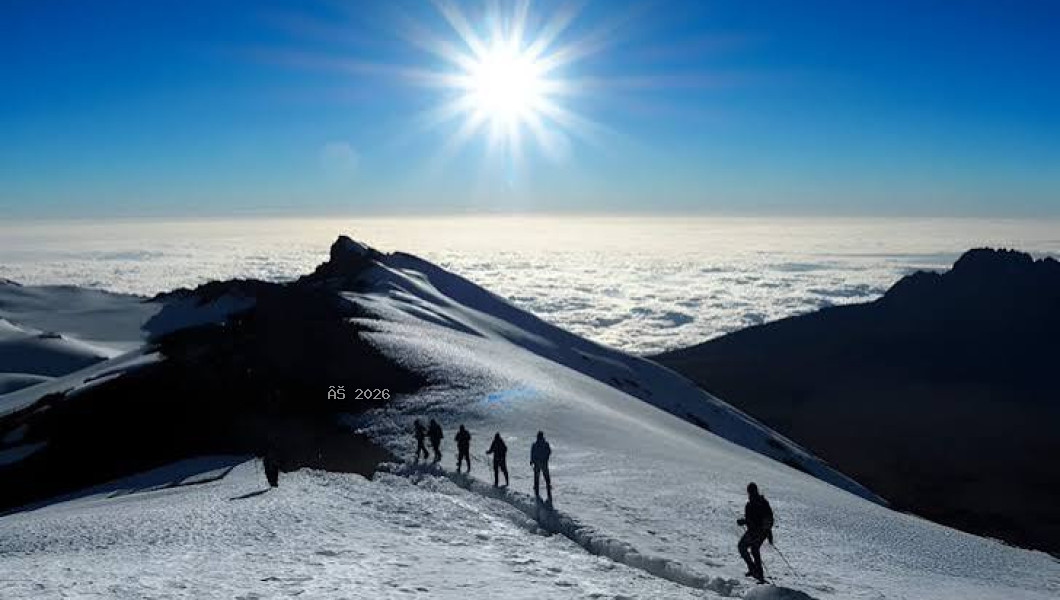
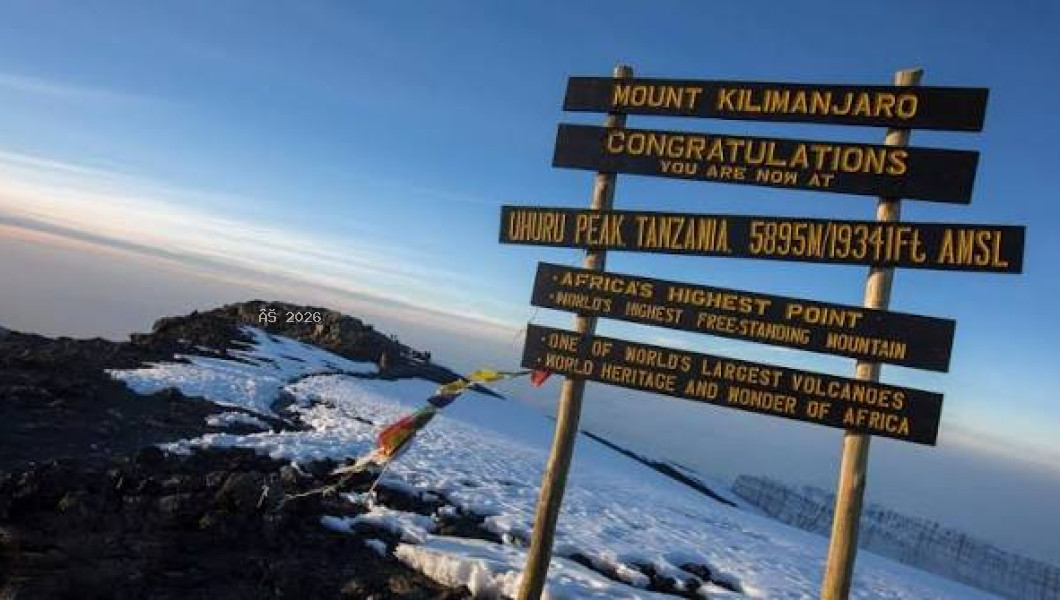
The summit attempt begins around midnight under cold and dark conditions. Climbers ascend slowly toward Gilman’s Point before continuing along the crater rim to Uhuru Peak, the highest point in Africa.
At sunrise, climbers witness glaciers, volcanic craters, and breathtaking views across Tanzania and Kenya. After celebration, descent begins back to Kibo Huts for rest before continuing to Horombo Huts.
This is the most challenging and rewarding day of the expedition.
Hiking Details
Hiking: 5–7 Hours
Overnight Altitude: 1,843 m
Habitat: Rainforest
The final descent passes through lush rainforest on Mount Kilimanjaro toward Marangu Gate. The trail becomes easier as oxygen increases and vegetation becomes denser.
At Marangu Gate, climbers receive summit certificates and celebrate completion of the trek before transferring back to Arusha for rest and celebration.
Handpicked wildlife journeys across Serengeti, Ngorongoro, Tarangire & Zanzibar for unforgettable African adventures.

 French
 German
 Spanish
 Italian
 Dutch
Dutch
 Chinese (Simplified)