
 French
 German
 Spanish
 Italian
 Dutch
Dutch
 Chinese (Simplified)
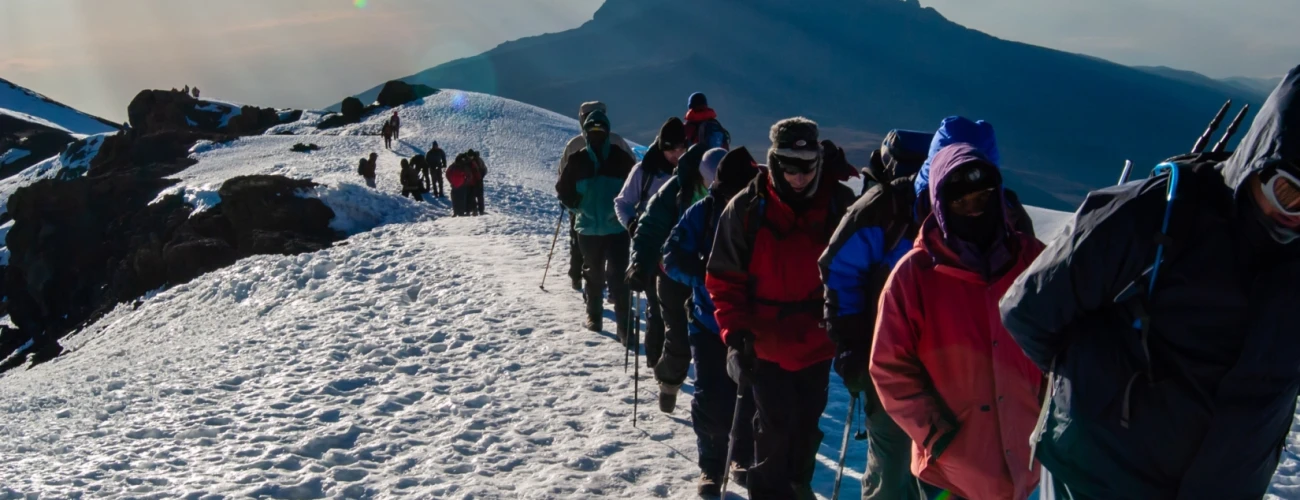
Best Time to Climb Mount Kilimanjaro
Climbing Mount Kilimanjaro is not just a physical challenge.it is a strategic decision influenced heavily by weather patterns, visibility, temperature, and trail conditions. While the mountain is accessible year-round, the quality of the climb varies significantly depending on the season. Choosing the right time is essential for safety, summit success, and overall experience.
Kilimanjaro operates under a high-altitude tropical climate, meaning conditions change rapidly with elevation. However, seasonal rainfall and cloud cover remain the most critical factors when planning a climb.
January to March: Clear Skies and Cold Conditions
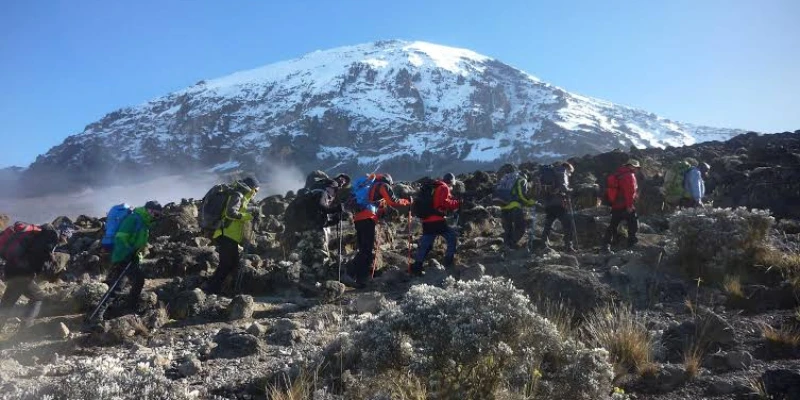
From January to March, Kilimanjaro experiences one of its most favorable climbing periods.
During this time:
- Weather is relatively dry
- Skies are clearer, especially in the mornings
- Visibility is excellent for photography
- Temperatures are colder, particularly at higher altitudes
This season is less crowded compared to mid-year months, allowing for a quieter and more controlled climbing experience. Snow is more likely near the summit, creating a visually dramatic landscape.
However, climbers must be prepared for colder nights, especially during summit attempts.
This period is ideal for:
- Experienced climbers
- Photographers seeking clear views
- Travelers who prefer fewer crowds
June to October: The Most Popular and Stable Season
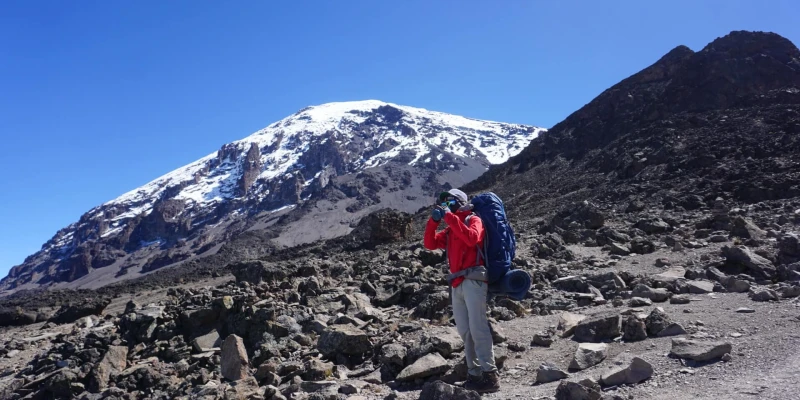
Between June and October, Kilimanjaro enters its peak climbing season.
This period is characterized by:
- Minimal rainfall
- Stable weather conditions
- Lower humidity
- Good trail conditions
Visibility is generally strong, although cloud cover can occasionally form at lower elevations. The dry trails make trekking easier and safer, especially on steeper routes.
This is also the busiest time on the mountain. Routes such as Machame and Marangu can become crowded, particularly during July and August.
This season is ideal for:
- First-time climbers
- Group expeditions
- High summit success rates
It offers the best balance between comfort, safety, and predictability.
November: Short Rainy Season Transition
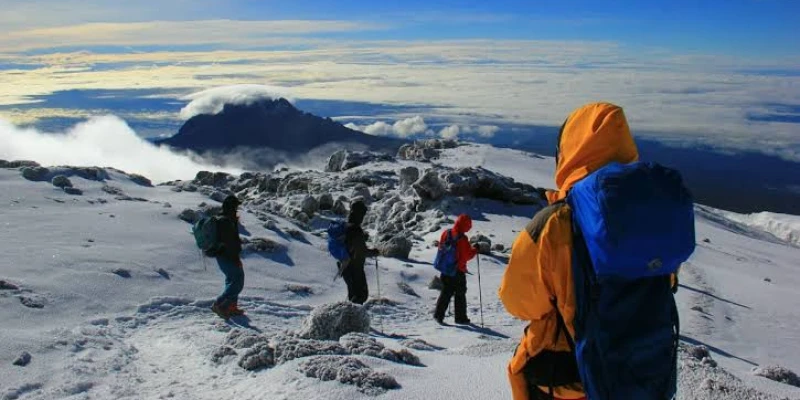
November marks the short rainy season on Kilimanjaro.
During this time:
- Rainfall is intermittent rather than continuous
- Trails may become muddy and slippery
- Cloud cover increases
Despite this, climbing is still possible, particularly on routes like Rongai, which receive less rainfall.
This period sees fewer climbers, which can be attractive for those seeking solitude.
This season is best suited for:
- Flexible travelers
- Experienced climbers comfortable with variable conditions
- Budget-conscious trekkers
March to May: Long Rainy Season Challenges
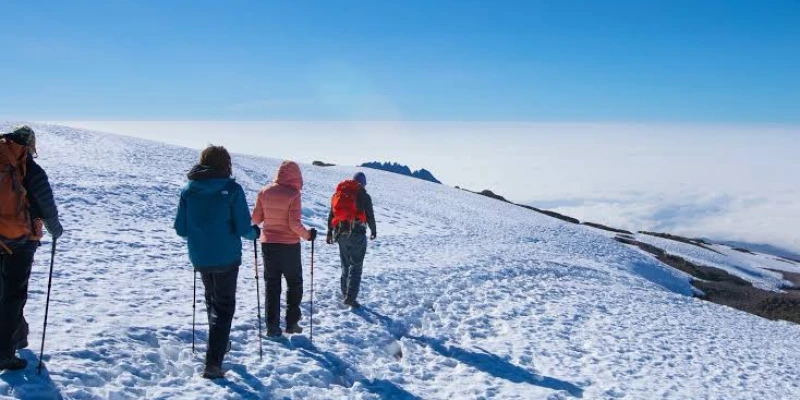
From March to May, Kilimanjaro experiences its long rainy season, making it the least favorable time to climb.
Conditions include:
- Heavy and prolonged rainfall
- Poor visibility due to cloud cover
- Wet, muddy, and slippery trails
- Increased difficulty in summit attempts
Some lodges and operators reduce activity during this period due to lower demand and challenging conditions.
However, the mountain becomes lush and green at lower elevations, offering a different visual experience.
This season is generally not recommended unless:
- You are highly experienced
- You are specifically seeking low traffic and discounted rates
Key Insight: Altitude Overrides Weather Comfort
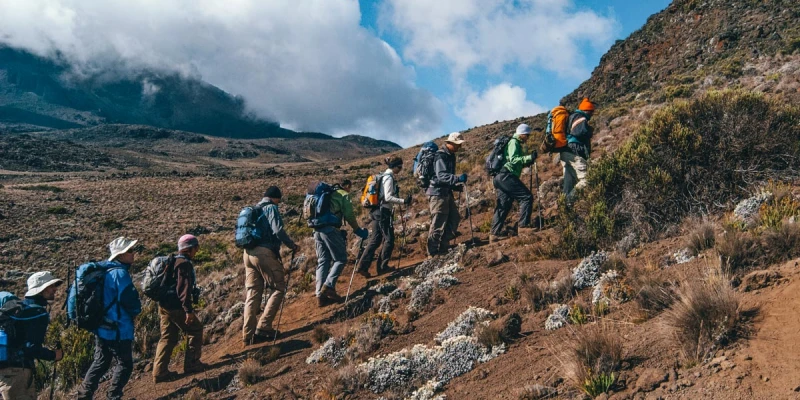
Regardless of the season, altitude remains the most significant challenge on Mount Kilimanjaro.
Even in the best months:
- Summit temperatures can drop below -10°C
- Oxygen levels decrease significantly
- Weather can change rapidly within hours
This means that proper acclimatization, route selection, and pacing are more important than season alone.
The best time to climb Mount Kilimanjaro can be summarized as:
- January to March: Clear skies, colder, fewer crowds
- June to October: Most stable and popular climbing season
- November: Transitional, fewer climbers, moderate conditions
- March to May: Least recommended due to heavy rains
Climbing Kilimanjaro is not simply about reaching the summit.it is about choosing the right conditions to maximize safety, visibility, and overall success.
June to October offers the most reliable environment, while January to March provides a quieter and visually rewarding alternative. The rainy seasons introduce challenges that significantly impact trail conditions and visibility.
A well-timed climb ensures that the journey up Kilimanjaro is not only successful but also efficient, safe, and deeply rewarding.
Discover More
Loved this safari story?
Join our exclusive list for luxury travel guides & hidden gems.