
 French
 German
 Spanish
 Italian
 Dutch
Dutch
 Chinese (Simplified)
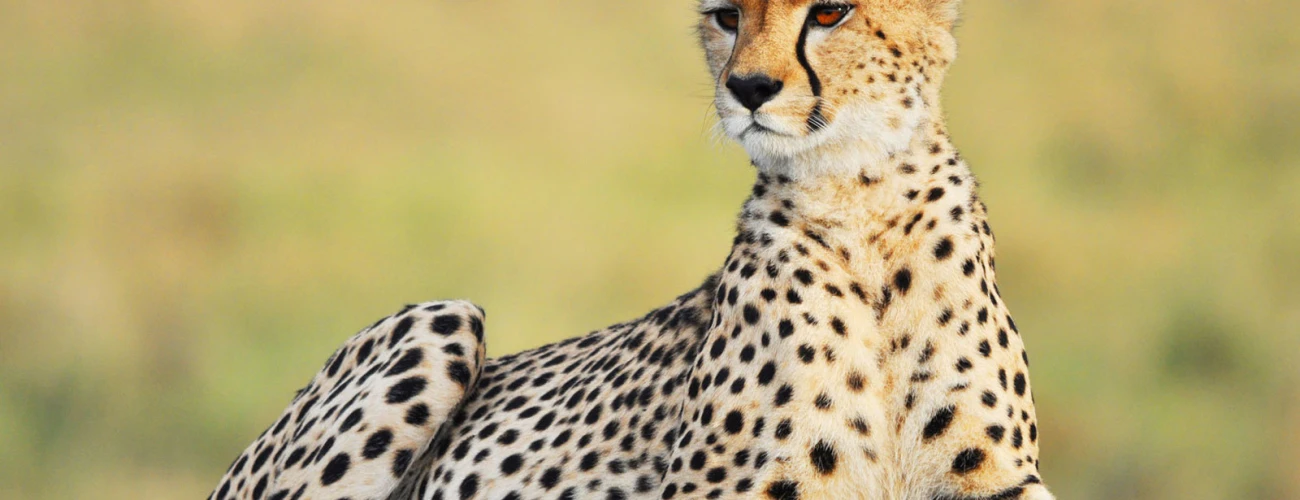
Predators of Ruaha National Park
Ruaha National Park in southern Tanzania is widely regarded as one of the most intact predator ecosystems in East Africa. Unlike heavily visited safari parks, Ruaha operates on a much larger ecological scale, with fewer vehicles, vast territories, and natural predator-prey dynamics that remain largely undisturbed.
This is not a park where predators are “searched for quickly.” It is a landscape where they naturally exist, move, hunt, and compete across enormous wilderness zones.
Lions: The Dominant Force of Ruaha’s Ecosystem
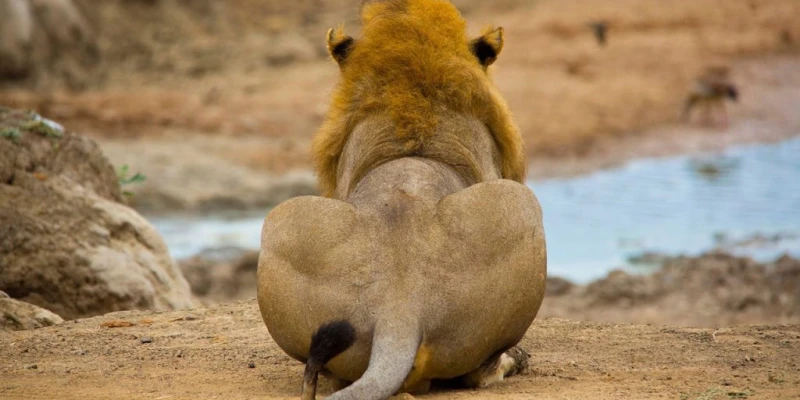
Lions are the most powerful and visible predators in Ruaha. The park holds one of the largest lion populations in East Africa, supported by high prey availability and minimal human disturbance.
In Ruaha, lions operate across extremely large territories. Their behavior is shaped by:
- Seasonal movement of buffalo and zebra herds
- Water availability along the Great Ruaha River system
- Territorial competition between large male coalitions
- Natural prey density across open and woodland habitats
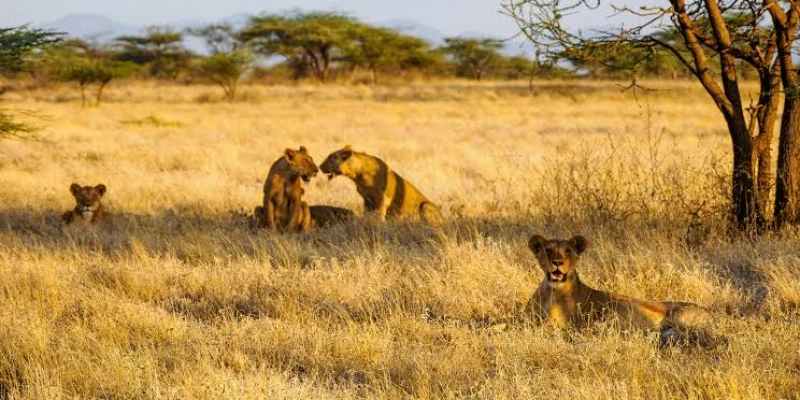
Unlike more crowded parks, lion sightings in Ruaha often feel uninterrupted. Entire prides can be observed resting under baobab trees during the heat of the day or moving strategically along dry riverbeds during early morning and evening hours.
The scale of lion territory here is significantly larger than in most African parks, which contributes to more natural hunting behavior and less habituation to vehicles.
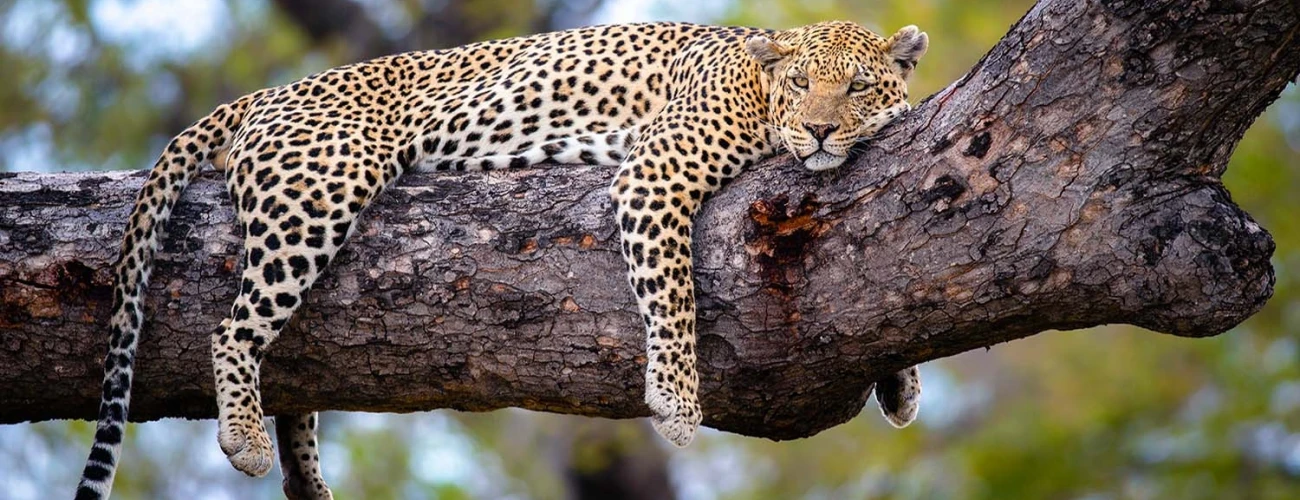
Leopards: The Silent and Highly Adaptable Predator

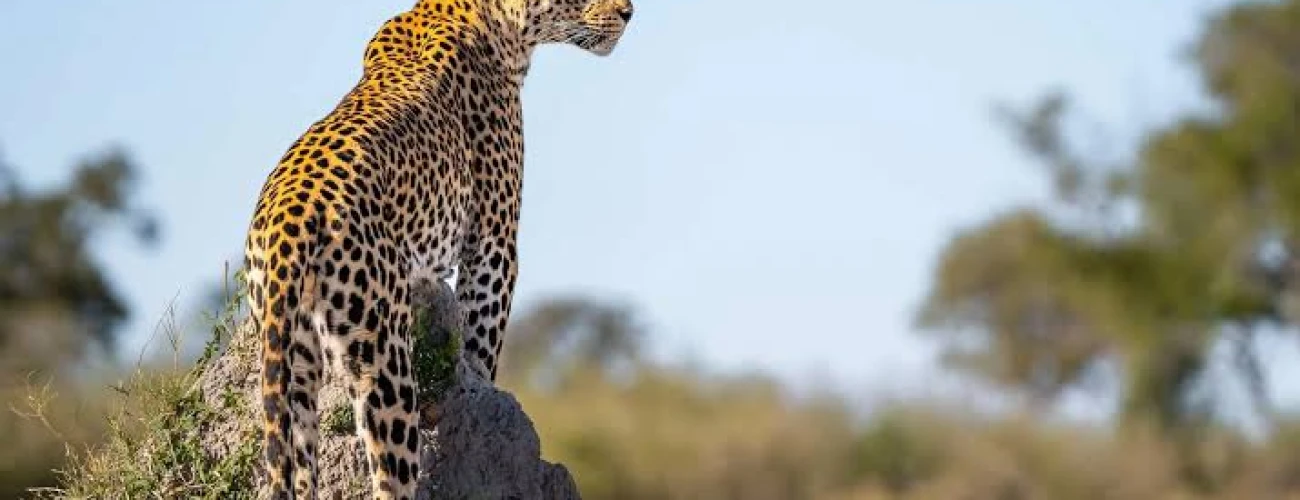
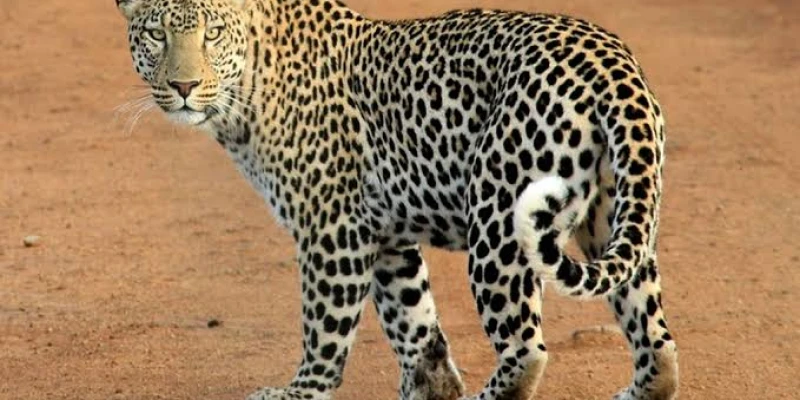
Leopards in Ruaha are elusive but well adapted to the park’s mixed terrain of rocky outcrops, riverine forests, and dry woodland.
They are most often associated with:
- Large fig and acacia trees used for resting and feeding
- River systems where prey movement is concentrated
- Stealth hunting in low-light conditions during dawn and dusk
Leopards in Ruaha are less frequently exposed to vehicles compared to other parks, making sightings more meaningful and less predictable. Their behavior remains highly natural, with minimal interference from tourism pressure.
A leopard sighting in Ruaha often involves quiet observation rather than prolonged encounters, reflecting their secretive nature.
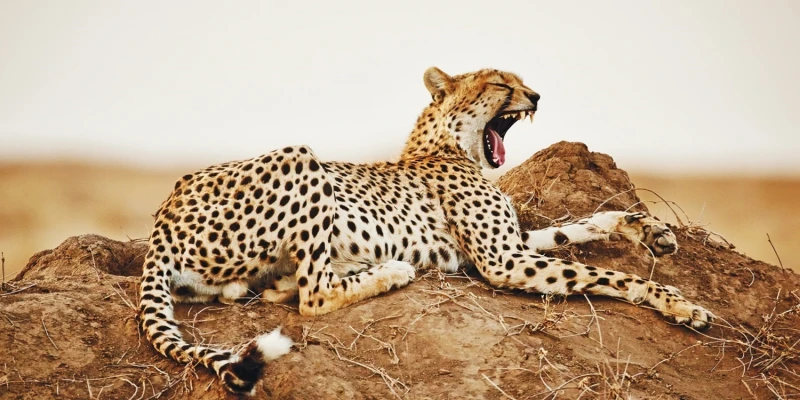
Cheetahs: Speed-Based Hunters of Open Landscapes
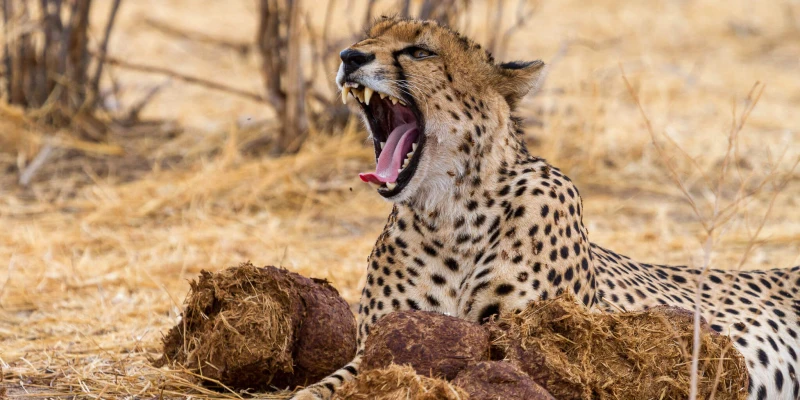
Cheetahs in Ruaha are typically found in more open areas where visibility allows them to use speed as their primary hunting strategy.
Their presence is tied to:
- Open plains with low vegetation density
- Availability of medium-sized prey such as impalas
- Daylight hunting conditions that support visual tracking
Unlike lions, cheetahs are highly sensitive to disturbance, so Ruaha’s low vehicle density is an important factor in maintaining natural behavior.
Encounters often involve scanning behavior from elevated positions such as termite mounds, followed by short bursts of high-speed movement when hunting opportunities arise.
Spotted Hyenas: The Intelligence-Based Predator Network
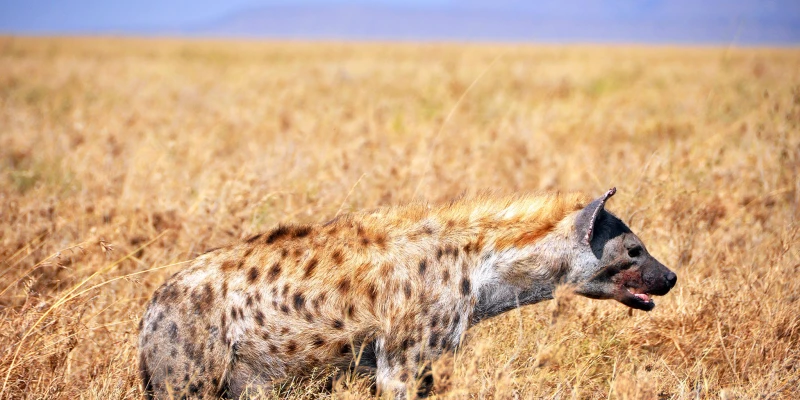
Hyenas in Ruaha form complex social structures known as clans, which can operate across large territories.
They function both as:
- Efficient hunters in coordinated groups
- Scavengers that dominate carcass competition
Their role in the ecosystem is critical because they often interact directly with lion kills, creating dynamic predator competition scenarios.
Hyenas are also highly vocal, especially at night. Their calls travel long distances across the park and contribute to the immersive wilderness atmosphere experienced in camps and lodges.
African Wild Dogs: Rare but Highly Strategic Hunters
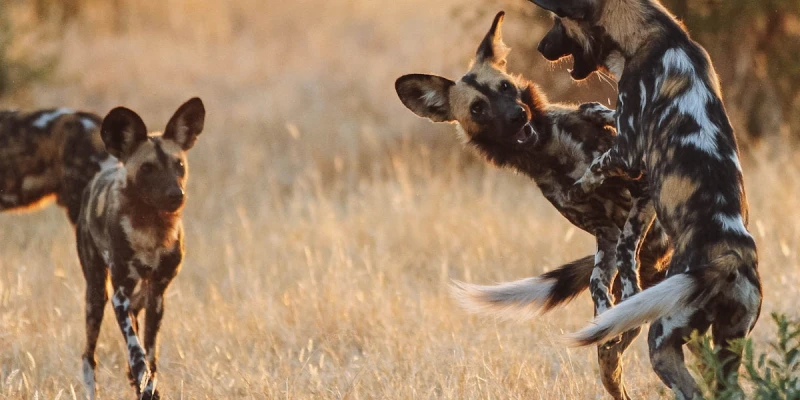
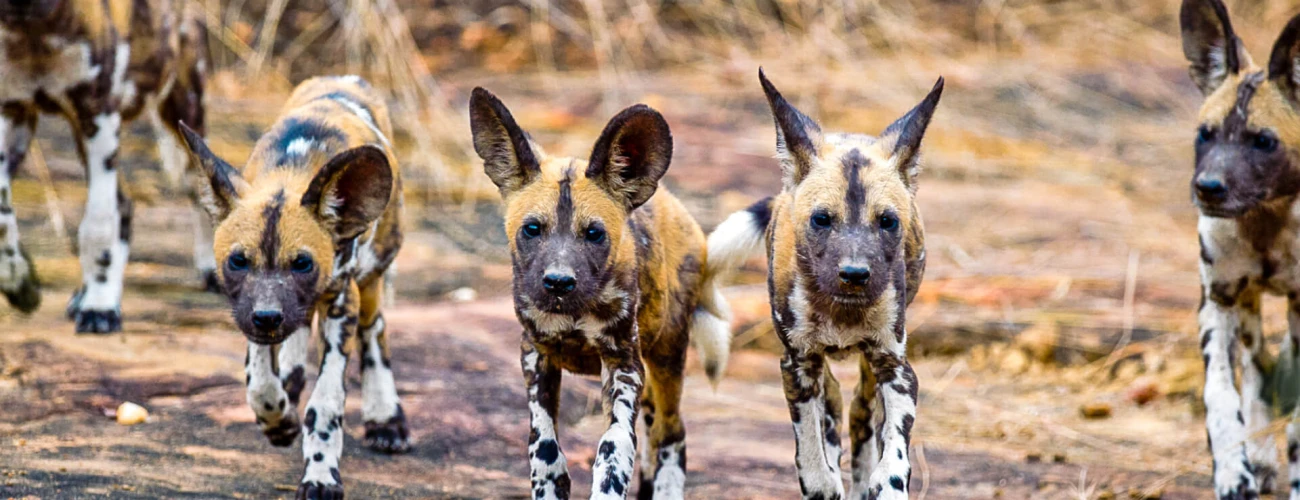
African wild dog are among the most endangered and specialized predators found in Ruaha.
They are known for:
- Highly coordinated pack hunting strategies
- Exceptional endurance over long-distance chases
- Complex social communication within packs
- Large territorial ranges that span multiple ecosystems
Ruaha remains one of the key strongholds for wild dog populations in East Africa. Although sightings are not guaranteed, encounters are considered exceptional due to their rarity and the intensity of their hunting behavior.
Why Ruaha Creates a Unique Predator Environment
Several ecological factors make Ruaha one of Africa’s strongest predator systems:
- Extremely large protected area with low human density
- Diverse habitats including river systems, plains, and woodlands
- Strong prey base including buffalo, kudu, zebra, and impala
- Minimal safari vehicle congestion during sightings
- Natural predator territories that remain largely undisturbed
This combination allows predators to behave more naturally compared to heavily trafficked safari destinations.
Dry Season: Peak Predator Visibility Period
The dry season (June to October) is the most important period for predator activity in Ruaha.
During this time:
- Water sources shrink and concentrate wildlife near rivers
- Prey animals become easier to locate
- Predator encounters increase in frequency
- Vegetation becomes thinner, improving visibility
This seasonal shift creates some of the most intense predator-prey interactions in East Africa.
Predators in Ruaha National Park operate in one of the most authentic wilderness environments remaining in Africa. Lions dominate vast territories, leopards move silently through river systems, cheetahs utilize open plains for speed hunting, hyenas maintain complex clan networks, and wild dogs operate as rare but highly efficient pack hunters.
The defining characteristic of Ruaha is not just predator presence—it is predator freedom. Animals here are not influenced by tourism density or artificial conditions, but by natural ecological forces at scale.
Are You Ready for a Southern Tanzania Safari Experience Focused on Real Predator Behavior, Untouched Wilderness, and Authentic Wildlife Dynamics?
Contact Jasiri Safaris and plan your Ruaha predator safari experience today
Discover More
Loved this safari story?
Join our exclusive list for luxury travel guides & hidden gems.