
 French
 German
 Spanish
 Italian
 Dutch
Dutch
 Chinese (Simplified)
Why Tarangire National Park Is Famous for Elephants
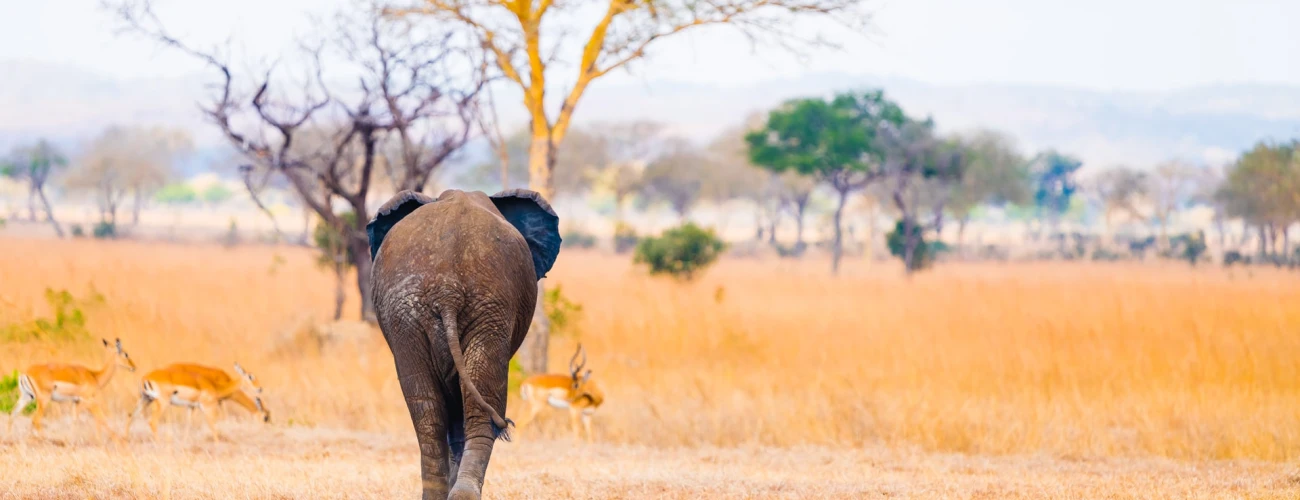
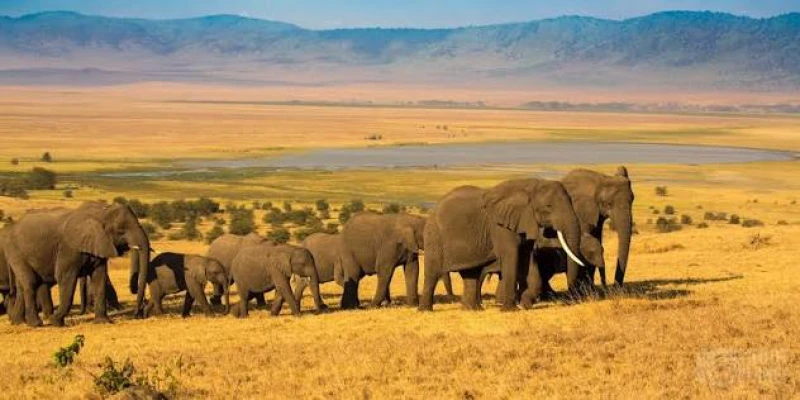
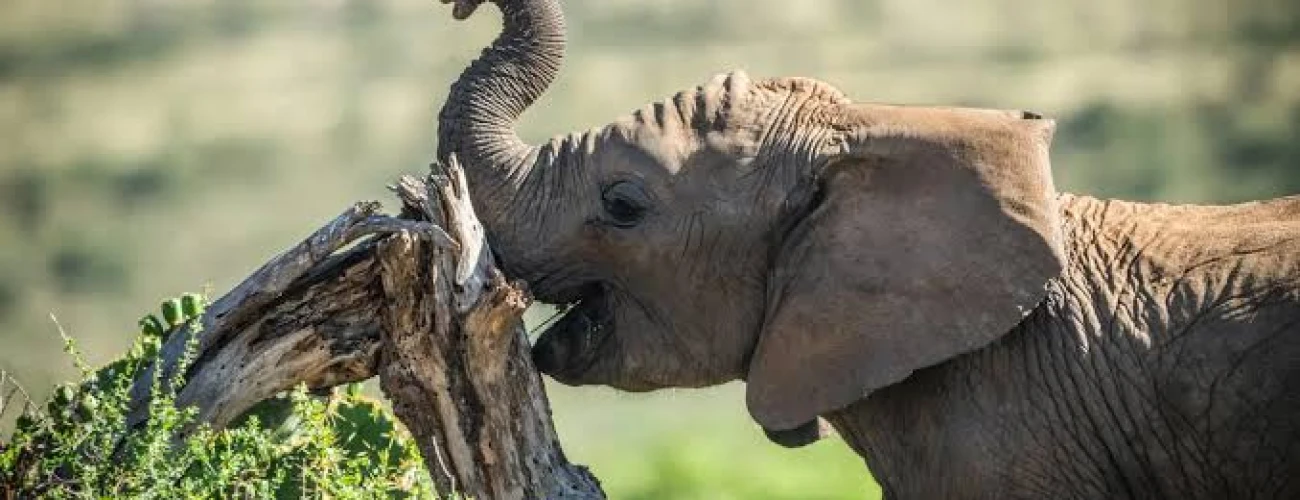
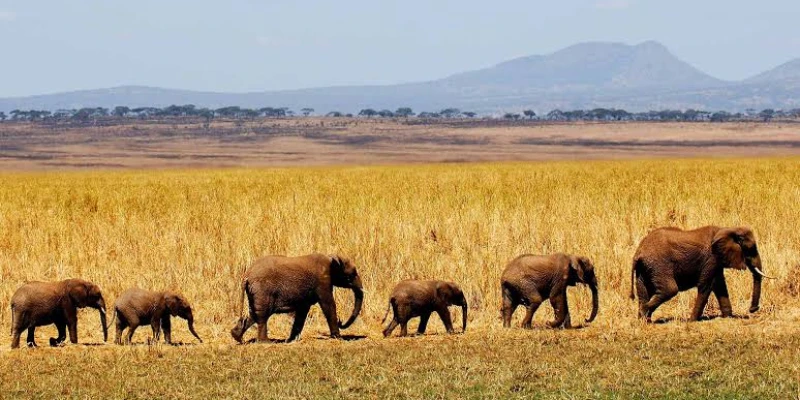
When people think of elephant safaris in Tanzania, one place consistently stands out: Tarangire National Park. Located in the northern safari circuit, this park is widely recognized as one of the best elephant strongholds in East Africa. During the dry season, it hosts some of the largest concentrations of elephants in the world, turning the landscape into a living stage of family herds, migration patterns, and social behavior.
But what exactly makes Tarangire so special for elephants compared to other parks?
1. The Life-Giving Tarangire River
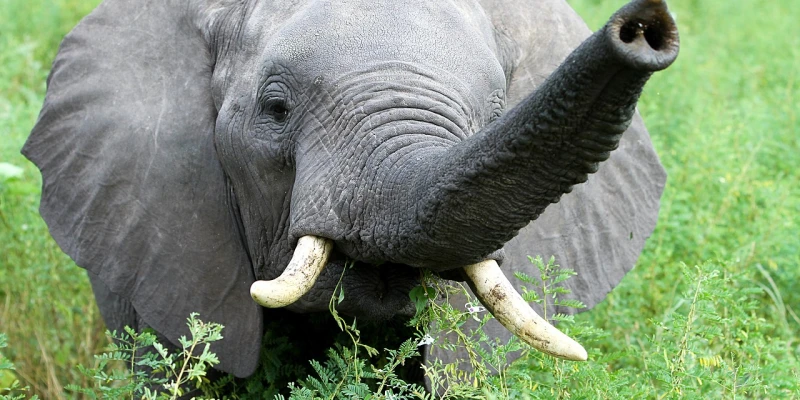
At the heart of the park flows the Tarangire River, the only permanent water source in the area during the dry season.
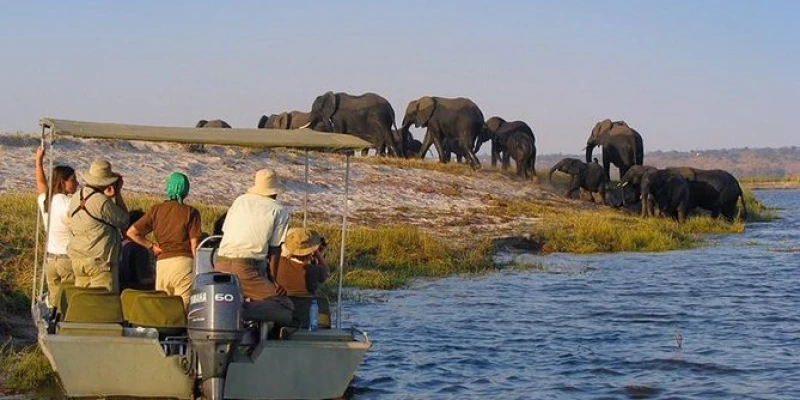
When surrounding regions dry out, elephants travel long distances to reach this vital water source. This natural migration creates an extraordinary gathering of wildlife, especially elephants.
- Dry season (June–October): Massive elephant herds gather
- Wet season (November–May): Elephants disperse across wider ecosystems
This seasonal movement is the foundation of Tarangire’s elephant fame.
2. One of the Largest Elephant Populations in Tanzania
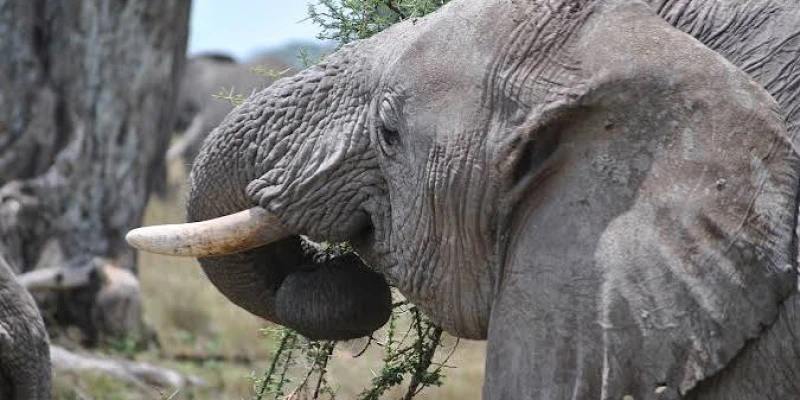
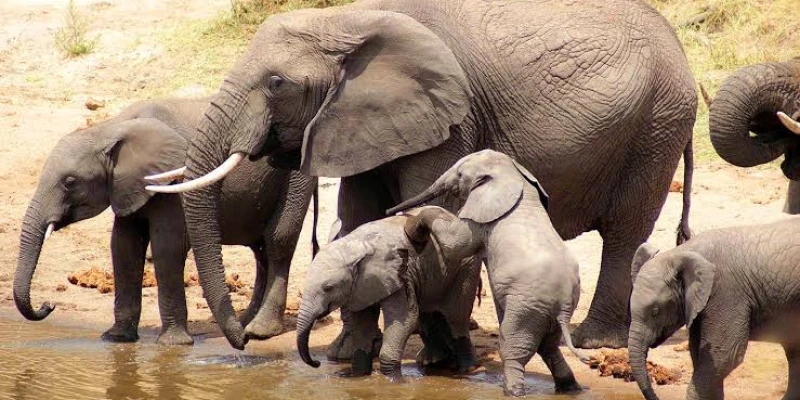
Tarangire is home to thousands of elephants, including large family groups and mature bulls with impressive tusks.
Unlike other parks where elephants are more spread out, Tarangire’s dry-season concentration allows visitors to witness:
- Multi-family herds moving together
- Protective behavior around calves
- Social bonding and communication
- Dominant bulls competing for space
It is one of the few places where elephant behavior can be observed so intensely and consistently.
3. Ancient Migration Routes
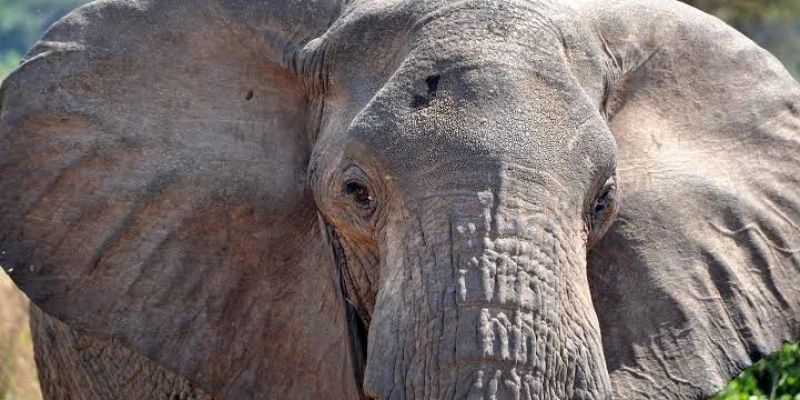
Elephants in Tarangire are not confined to the park. They follow ancient migratory corridors that stretch across Maasai land and surrounding ecosystems.
These corridors allow elephants to:
- Move between wet-season and dry-season grazing areas
- Maintain genetic diversity
- Follow seasonal food and water availability
This long-established movement pattern makes Tarangire part of a larger ecological system rather than an isolated park.
4. Unique Landscape That Supports Elephant Life
Tarangire is not just about animals—it is about habitat.
The park is filled with:
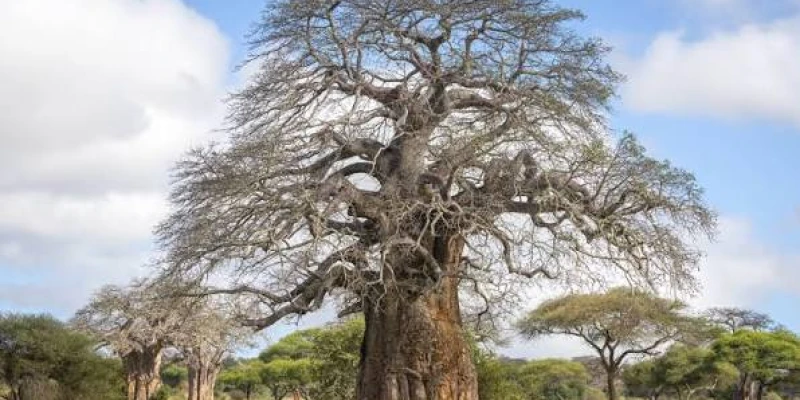
- Giant baobab trees
- Seasonal swamps
- Open savannah plains
- Riverine forests
Baobabs, in particular, play a symbolic role. Elephants often strip bark or push against them, and these trees have evolved alongside elephant activity for centuries.
This landscape provides both food and shelter, making it ideal elephant territory.
5. High Visibility During Game Drives
One of the biggest advantages for visitors is how easy it is to see elephants in Tarangire.
Compared to more dense or forested parks, Tarangire’s open terrain means:
- Clear photography opportunities
- Close yet safe viewing distances
- Frequent herd sightings during drives
In the dry season, it is common to see elephants every few kilometers along safari routes.
6. Strong Elephant Family Structures
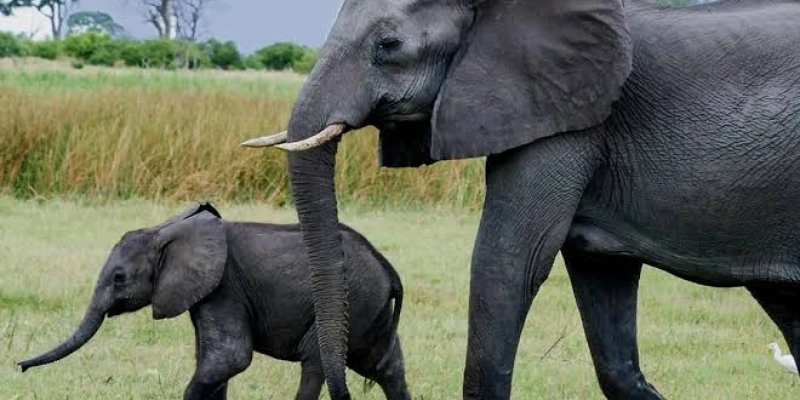
Elephants in Tarangire live in strong matriarchal systems led by experienced females.
Visitors often witness:
- Mothers guiding calves
- Protective herd formations
- Emotional bonding and communication
- Cooperative movement across landscapes
This social structure is one of the most fascinating aspects of elephant life.
7. Conservation Importance
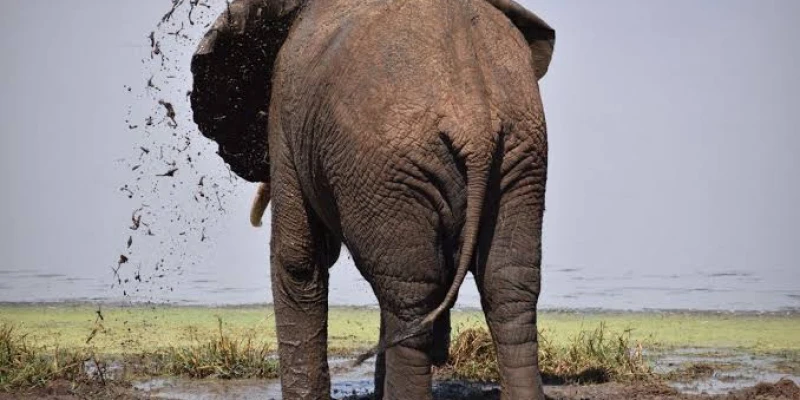
Tarangire is also a critical conservation area for elephants in Tanzania. Due to its migratory corridors and protected status, it plays a key role in:
- Preventing habitat fragmentation
- Supporting long-distance migration
- Protecting elephant populations from human pressure
However, surrounding community conservation programs are essential to ensure these corridors remain open.
Best Time to See Elephants in Tarangire
- Best Season: June to October (Dry season)
- Peak Elephant Viewing: August–October
- Best Time of Day: Early morning & late afternoon
During this period, elephant concentrations are at their highest.
Tarangire National Park is not just another safari destination,it is one of Africa’s most important elephant ecosystems. The combination of permanent water, ancient migration routes, open landscapes, and rich biodiversity makes it a natural gathering point for thousands of elephants each year.
For travelers seeking powerful wildlife encounters, Tarangire offers something unforgettable: a real connection to the life and rhythm of Africa’s giants.
Discover More
Loved this safari story?
Join our exclusive list for luxury travel guides & hidden gems.