
 French
 German
 Spanish
 Italian
 Dutch
Dutch
 Chinese (Simplified)
How Many Days You Need for Serengeti National Park
Choosing the right number of days in Serengeti National Park is one of the most important decisions when planning a safari in Tanzania. The Serengeti is not a destination designed for rushed travel or short stopovers. It is a vast ecosystem covering thousands of square kilometers, where wildlife movement, predator activity, and landscapes vary significantly depending on region and season. The number of days allocated to the park directly affects the depth, quality, and overall value of the safari experience.
Unlike smaller parks where major highlights can be covered quickly, the Serengeti functions as a living ecological system. Wildlife is constantly moving, particularly during the Great Migration, and predator behavior is highly influenced by season, prey concentration, and environmental conditions. For this reason, time should not be viewed as a simple logistical factor, but as a strategic investment in the experience itself.
3 Days: The Minimum Practical Experience
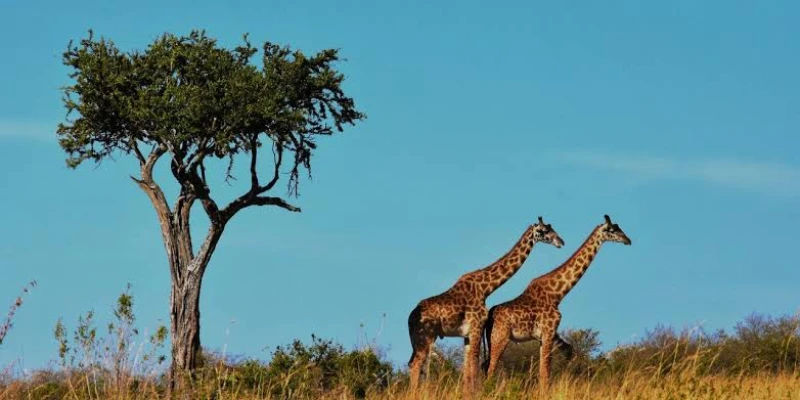
A 3-day safari is generally considered the minimum practical duration for visiting Serengeti National Park. This timeframe allows travelers to experience the core identity of the park without extending too deeply into multiple regions.
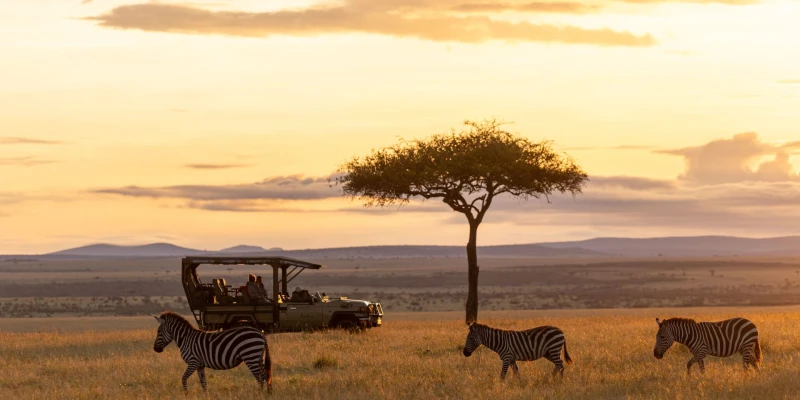
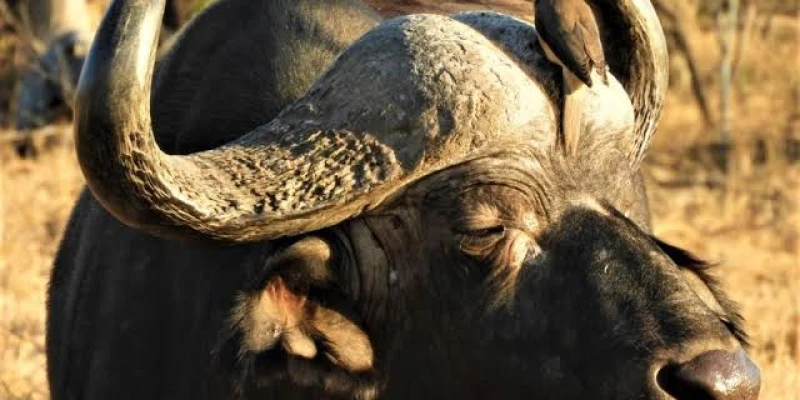
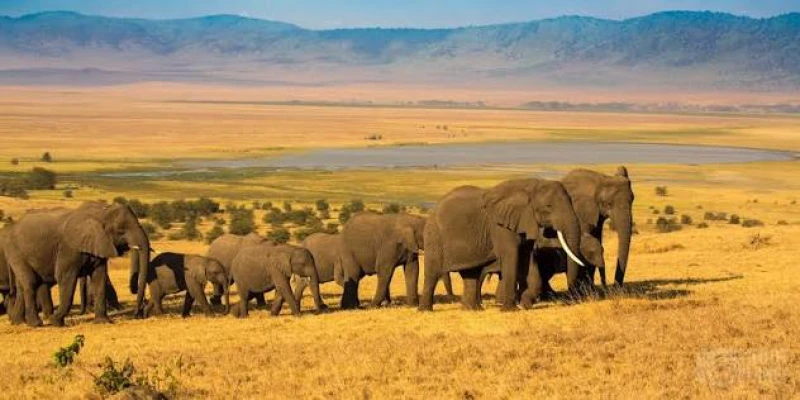
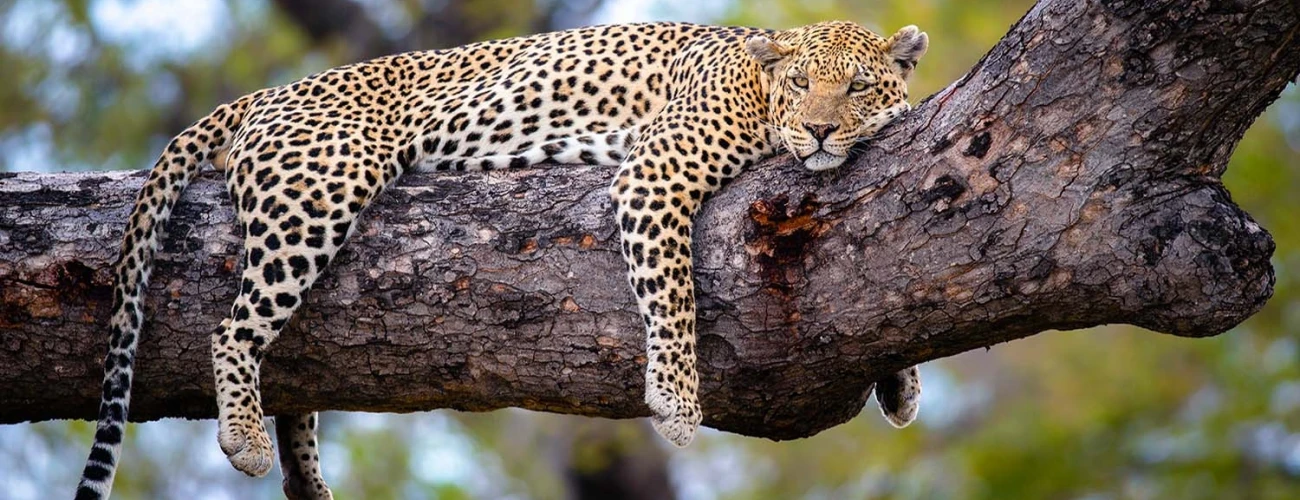
In most cases, a 3-day itinerary is focused on Central Serengeti, particularly the Seronera area. This region is known for year-round wildlife concentration due to its permanent water sources, balanced vegetation, and high predator density. Visitors can typically expect to see lions, elephants, giraffes, zebras, buffalo, and a wide range of antelope species. Leopard sightings are also possible, especially in riverine zones.
However, while 3 days provide an essential introduction, they come with limitations. Travel time to and from the park reduces actual game drive hours, and movement into more distant areas such as Northern or Western Serengeti is often not realistic. The experience is efficient but condensed.
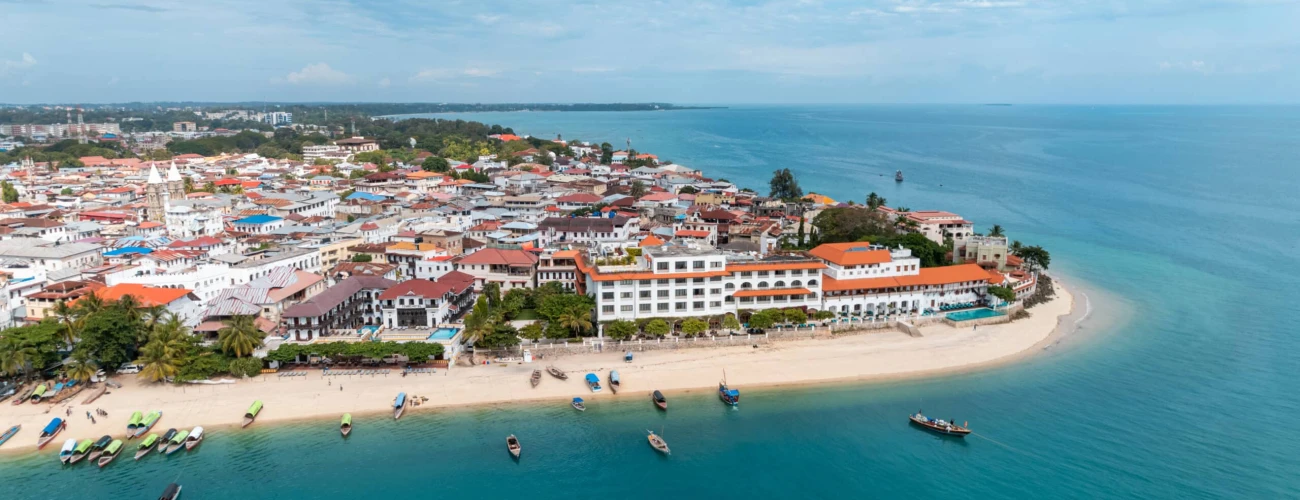
This option is most suitable for travelers combining Serengeti with other northern parks such as Ngorongoro or Tarangire, or for those integrating safari with a beach extension to Zanzibar.
4 Days: Improved Balance and Reduced Time Pressure

A 4-day safari creates a noticeably more comfortable rhythm inside the Serengeti ecosystem. The additional day reduces logistical pressure and allows more flexibility in daily movement.
With 4 days, travelers are able to spend more time in wildlife-rich areas without feeling rushed between activities. Early morning and late afternoon game drives become more effective, as these are the periods when predator activity is often at its peak.
The extra time also improves wildlife diversity exposure. Rather than simply “checking off” common species, visitors begin to observe behavior patterns, territorial dynamics, and predator-prey interactions more meaningfully.
For travelers seeking a balance between time efficiency and quality experience, 4 days represents a strong middle ground.
5 Days: The Recommended Standard Duration
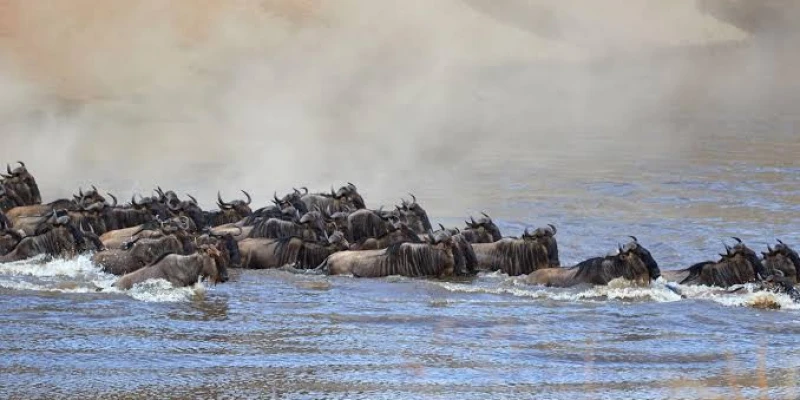
A 5-day safari is widely regarded as the most balanced and professionally recommended duration for experiencing Serengeti National Park.
This timeframe allows sufficient flexibility to move beyond Central Serengeti and explore additional ecological zones depending on season. During migration months, travelers may position themselves strategically in Southern, Western, or Northern Serengeti based on wildlife movement.
The major advantage of 5 days is depth. Travelers are no longer limited to isolated sightings but begin to understand the park as an interconnected ecological system. There is time to track lions across territories, revisit productive wildlife areas, and adapt game drives according to real-time sightings.
This duration is particularly suitable for first-time visitors who want a complete experience without committing to an extended safari.
6–7 Days: Deep Immersion into the Serengeti Ecosystem
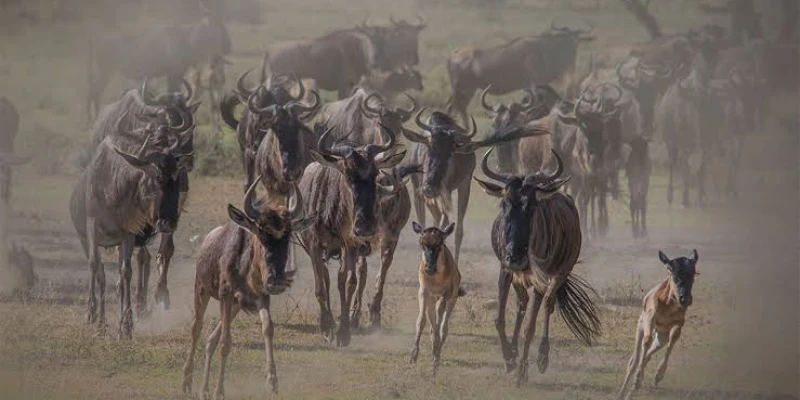
A 6–7 day safari transforms the Serengeti from a sightseeing destination into a true wilderness immersion.
At this level, travelers can move across multiple regions and experience greater ecological variation. Open plains, rocky kopjes, river systems, woodland habitats, and migration corridors can all be explored with intention rather than speed.
This duration significantly improves the probability of witnessing rare or dramatic wildlife events, including predator hunts, territorial conflicts, and river crossings during migration season.
Longer stays also allow a slower observational pace. Rather than constantly moving, travelers can remain in productive zones longer, observing animal behavior in more detail.
This is the preferred duration for wildlife photographers, filmmakers, and travelers with a serious interest in ecological systems.
8+ Days: Full Ecological Exploration
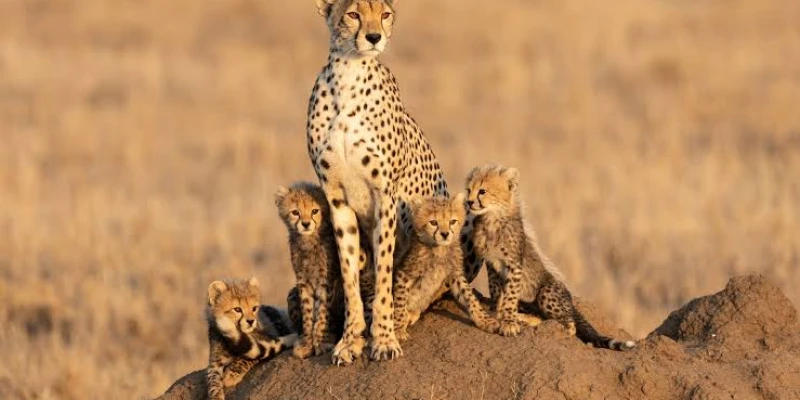
An 8-day or longer safari is considered a full-scale exploration of Serengeti National Park.
This duration allows travelers to fully align with the park’s natural rhythm. Instead of adapting wildlife viewing to itinerary limitations, the itinerary adapts to wildlife behavior.
Long stays create opportunities to:
- Follow migration movement over time
- Explore remote sectors of the park
- Combine Serengeti with neighboring ecosystems such as Ngorongoro
- Experience different environmental zones in depth
This is the highest level of Serengeti experience and is best suited for long-stay luxury travelers, researchers, and highly dedicated wildlife enthusiasts.
Seasonal Influence on Duration Planning
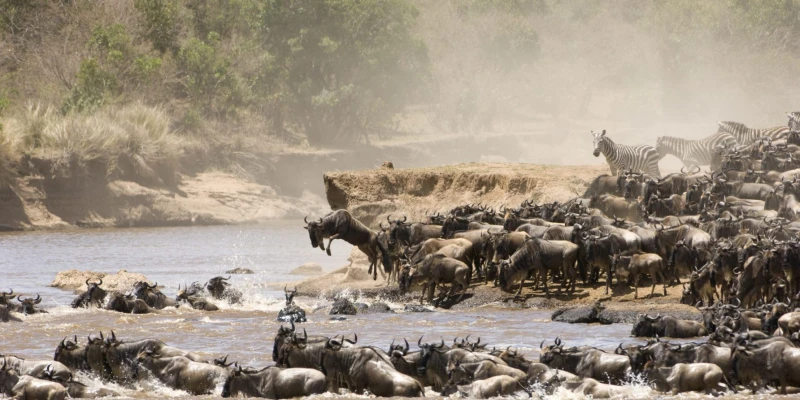
The ideal duration is also strongly influenced by the migration calendar.
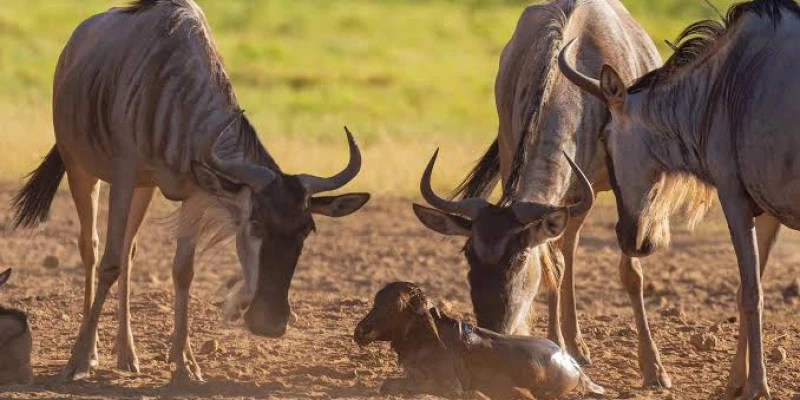
Between December and March, the southern plains become highly productive due to calving season, attracting large predator concentrations.
Between June and July, Western Serengeti becomes more active as herds move toward Grumeti River systems.
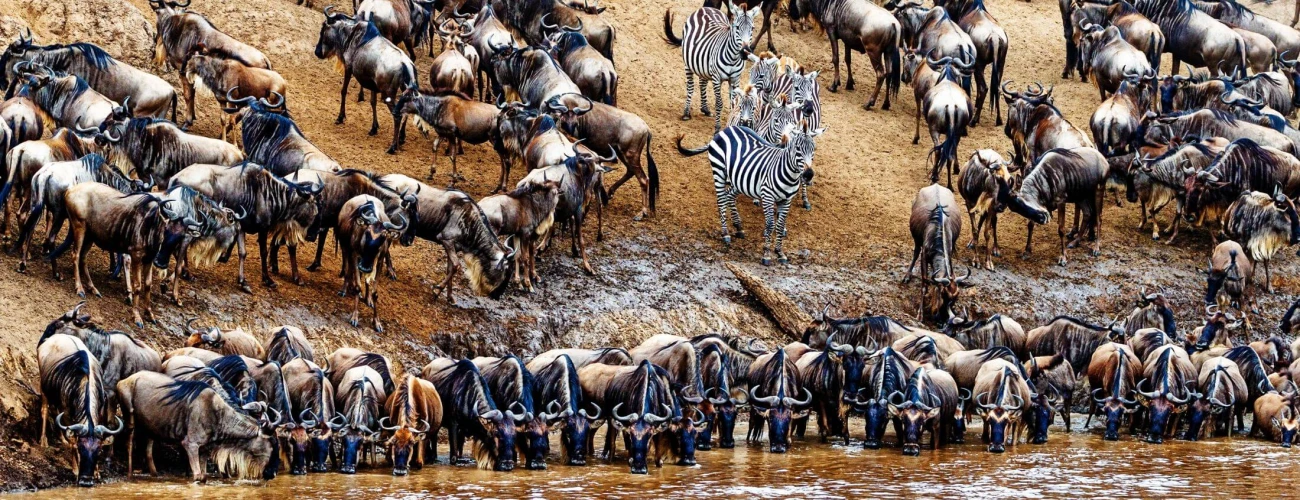
Between August and October, Northern Serengeti becomes the focus due to Mara River crossings.
During these periods, longer stays provide strategic flexibility and significantly increase the probability of witnessing key migration events.
There is no universal number of days for visiting Serengeti National Park, but there is a clear relationship between time and experience quality.
A 3-day safari provides essential exposure. A 4-day safari improves balance. A 5-day safari offers the strongest combination of value and depth. Durations of 6–7 days or more allow travelers to engage with Serengeti as a complex and evolving ecosystem rather than a simple safari destination.
Ultimately, Serengeti rewards time. The more days allocated to the park, the greater the understanding of its wildlife systems, landscapes, and ecological rhythms. A well-structured itinerary is therefore not measured only by destinations visited, but by the quality of time spent within them.
Discover More
Loved this safari story?
Join our exclusive list for luxury travel guides & hidden gems.