
 French
 German
 Spanish
 Italian
 Dutch
Dutch
 Chinese (Simplified)
Top Animals to See in Ngorongoro Crater
Ngorongoro Conservation Area and specifically the Ngorongoro Crater is one of the most concentrated wildlife environments in Africa. Formed from a collapsed volcanic caldera, the crater creates a natural enclosure where wildlife remains year-round due to permanent water sources, fertile grazing land, and a relatively stable ecosystem.
Unlike larger, more migratory systems such as the Serengeti, the Ngorongoro Crater offers a compact yet highly productive safari experience. Within a single day, travelers can encounter a wide range of species, including some of Africa’s most iconic and rare animals. Understanding which animals define this ecosystem helps structure expectations and improves the quality of the safari experience.
The Big Five
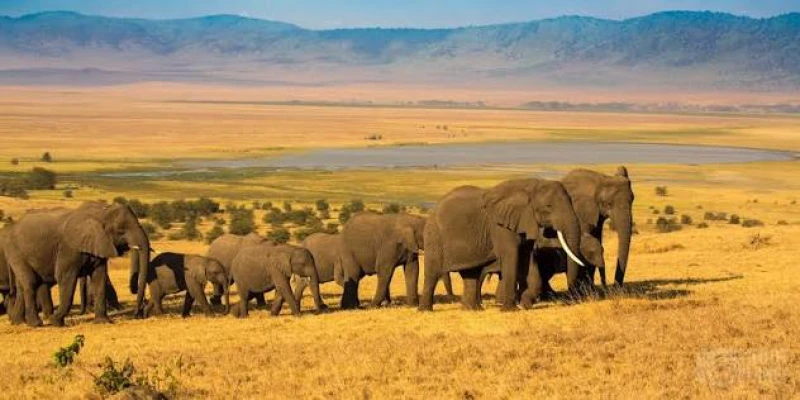
The Ngorongoro Crater is one of the few places in Africa where all members of the Big Five can be seen within a single game drive.
Lion
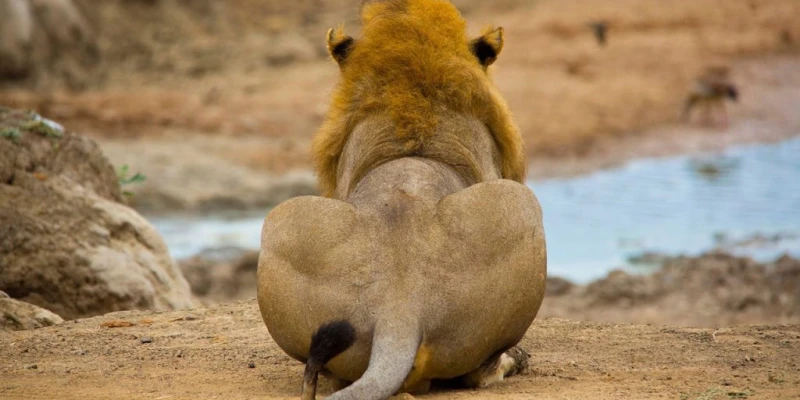
Lions are among the most visible predators in the crater. Due to the enclosed nature of the ecosystem, prides tend to have smaller territories compared to open savannah environments. This increases the likelihood of sightings and allows for more consistent observation of social behavior, hunting patterns, and territorial interactions.
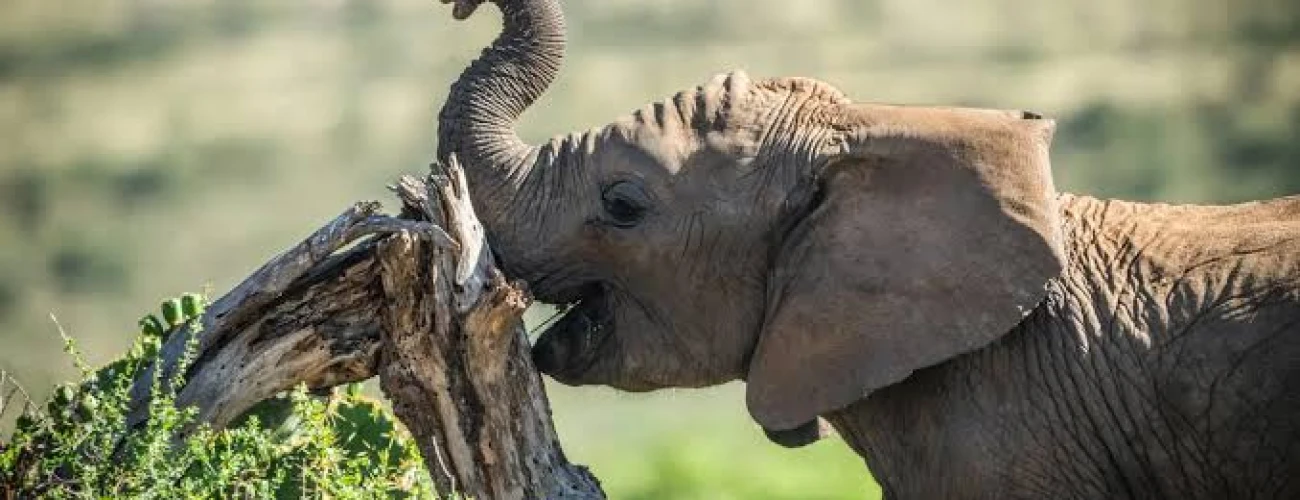
Elephant
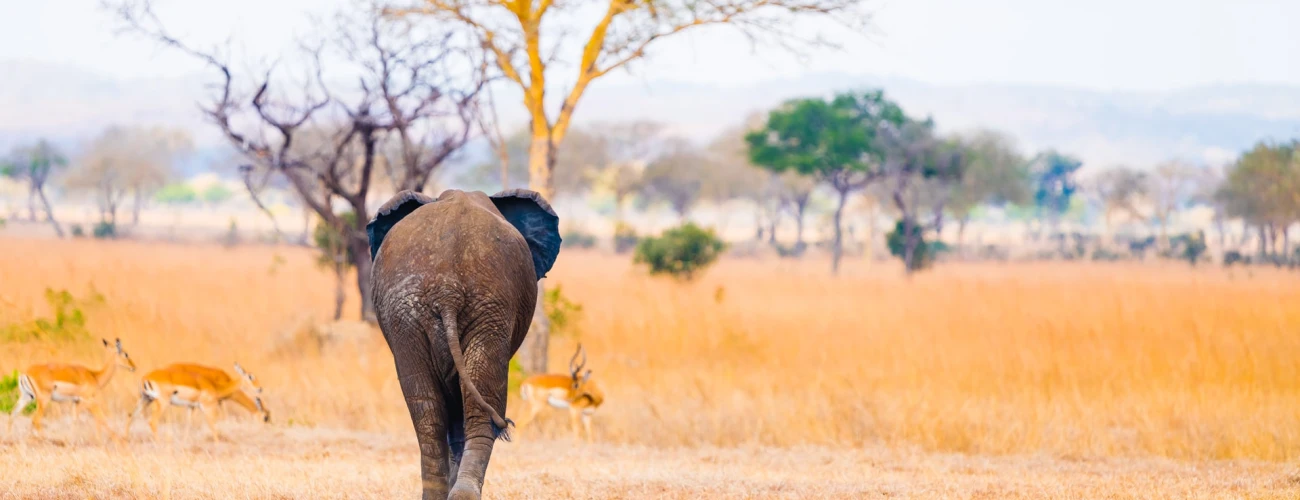
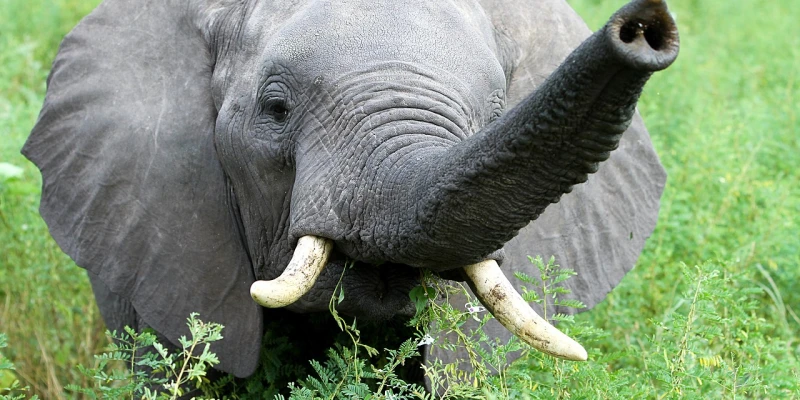
Elephants in the crater are primarily large bulls rather than full family herds. These bulls are often older, with impressive tusks, and tend to move independently across the crater floor and forested areas. Their presence adds a distinctive visual element to the landscape.
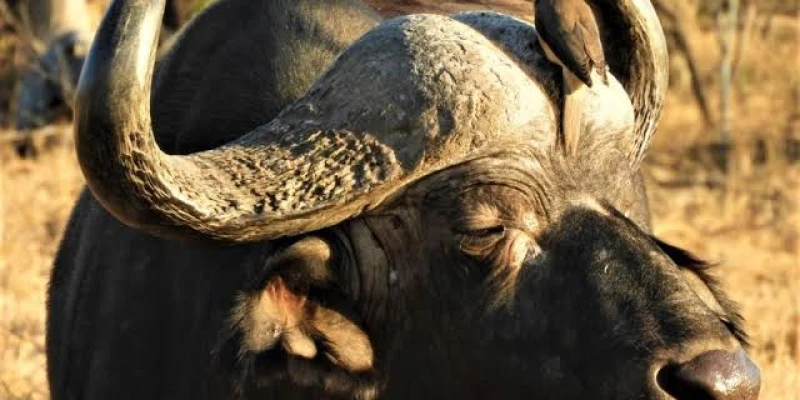
Buffalo
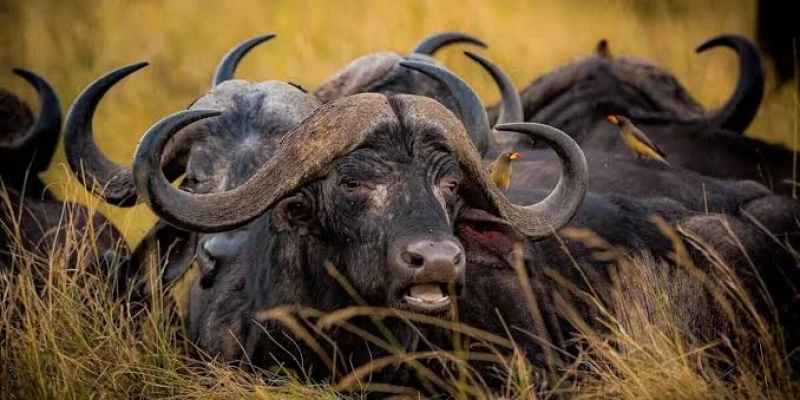
Buffalo are one of the most dominant herbivores in the crater. Large herds move across open grasslands, often forming defensive formations when threatened. Their population stability supports predator presence, particularly lions.
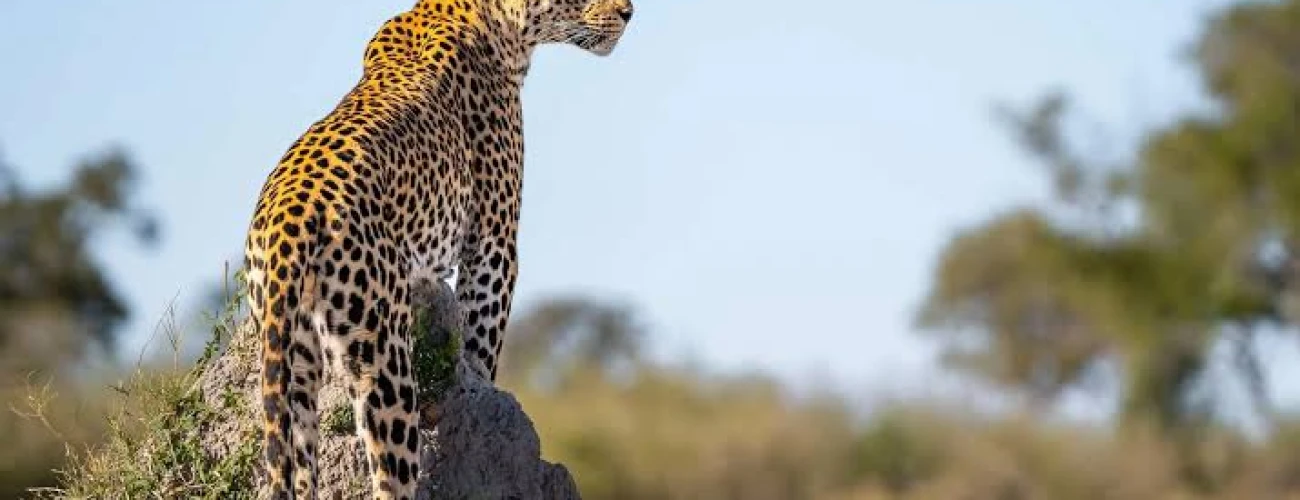
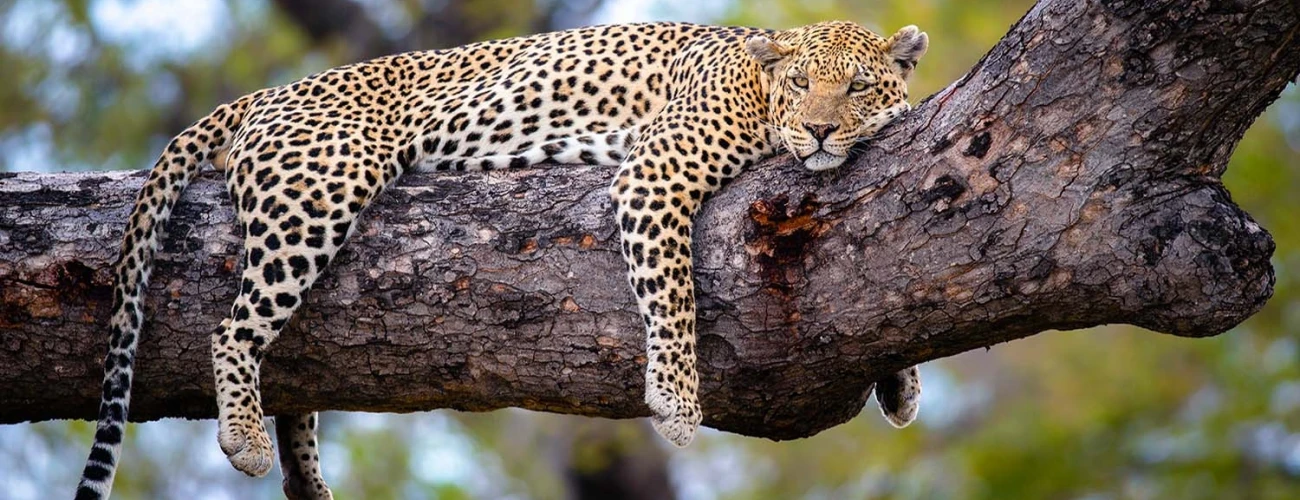
Leopard
Leopards are present but less frequently seen due to their solitary and elusive nature. They are typically found in forested sections along the crater rim or in dense vegetation areas. Sightings require patience and experienced guiding.
Black Rhino
The black rhino is the most sought-after species in the crater due to its rarity. Ngorongoro is one of the last strongholds for this endangered species in Tanzania. Sightings are not guaranteed, but the crater offers one of the highest chances compared to other parks.
Predators Beyond the Big Five
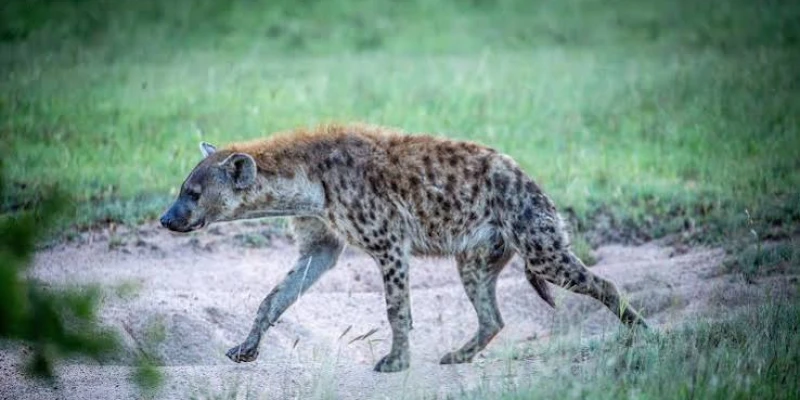
Hyena
Hyenas are highly active in the crater and play a major role in the ecosystem. They are both hunters and scavengers, often competing directly with lions for food. Their social structure and vocal communication make them one of the most dynamic species to observe.
Herbivores
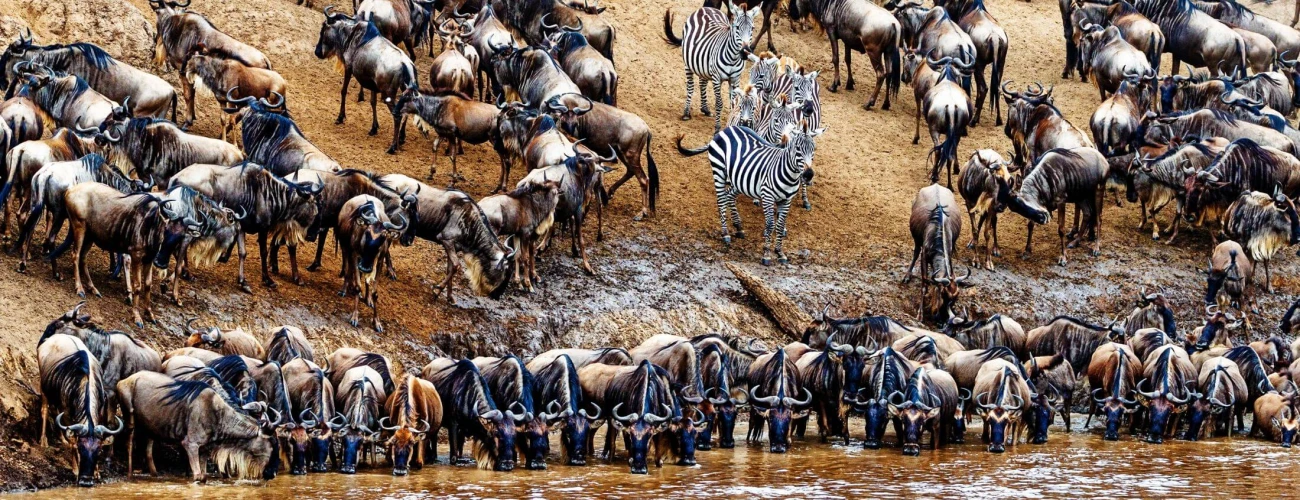
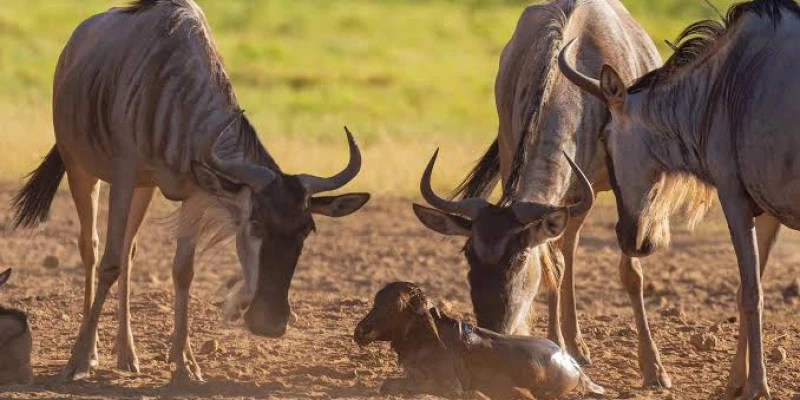
Wildebeest and Zebra
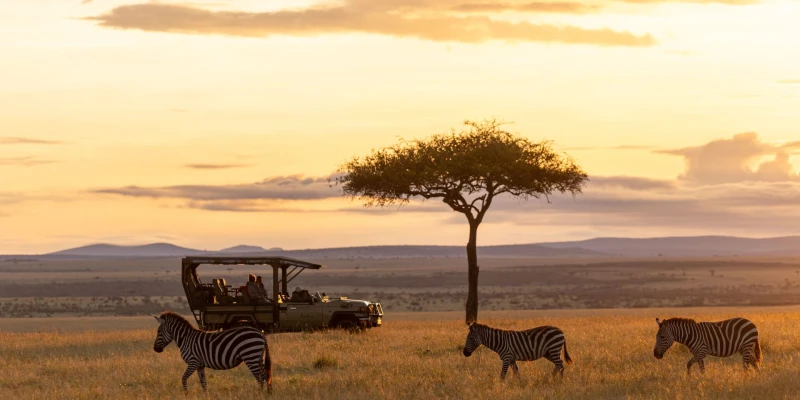
Large populations of wildebeest and zebras form the backbone of the crater’s food chain. Unlike the Serengeti migration, these populations are resident, meaning they remain within or near the crater throughout the year.
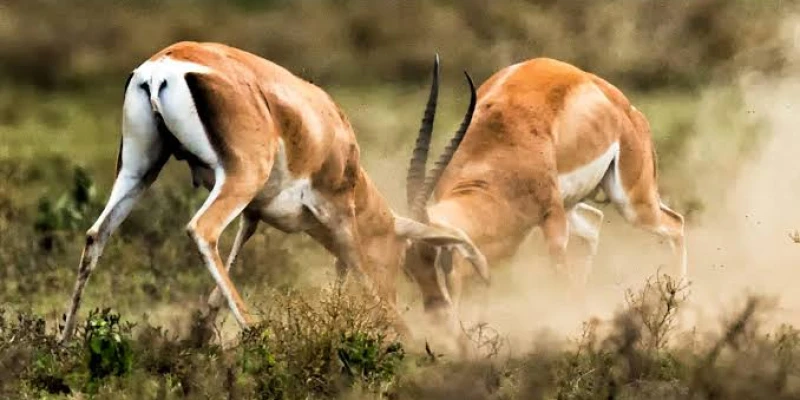
Gazelles (Thomson’s and Grant’s)
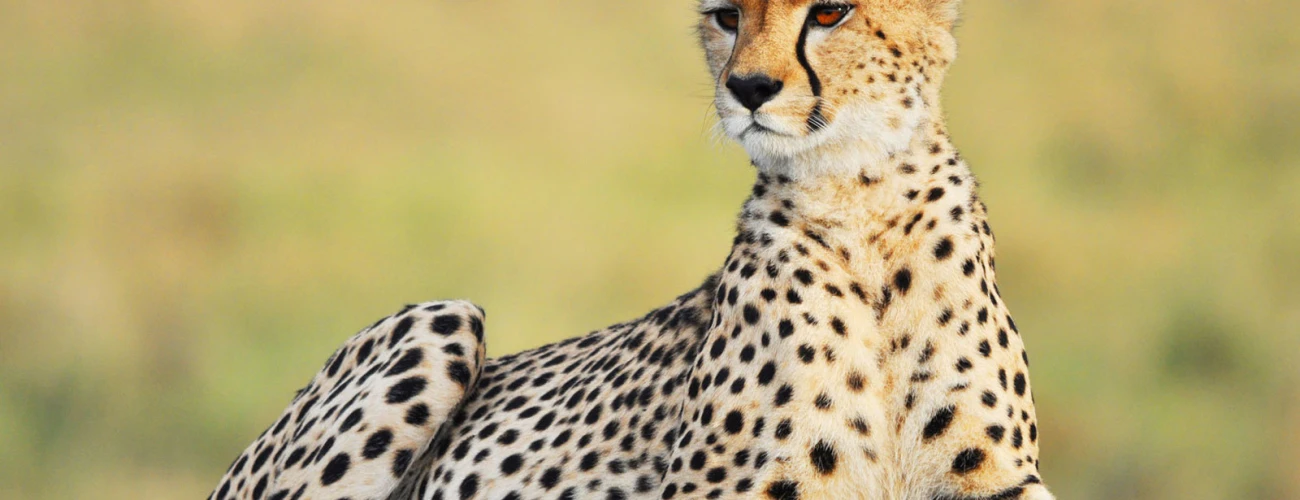
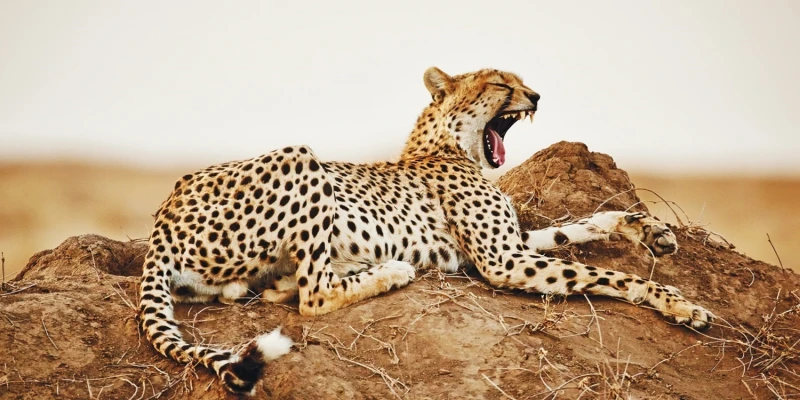
These smaller antelope species are commonly seen grazing in open plains. They are primary prey for cheetahs and smaller predators.
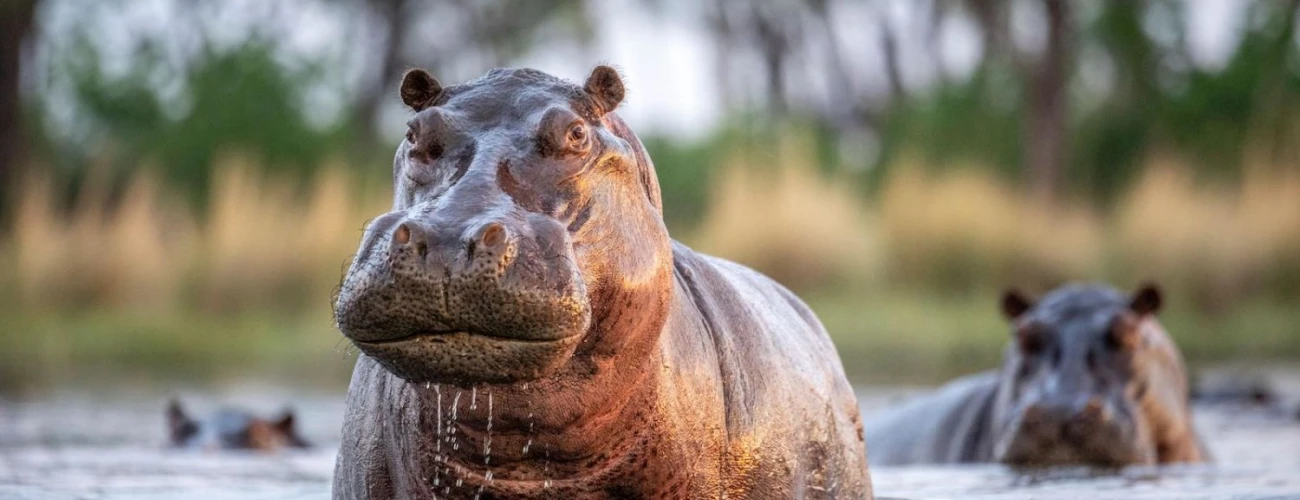
Hippo
Hippos are found in the crater’s permanent water pools, often in large groups. During the day, they remain in water to regulate body temperature and emerge at night to graze.
Unique and Less Common Species
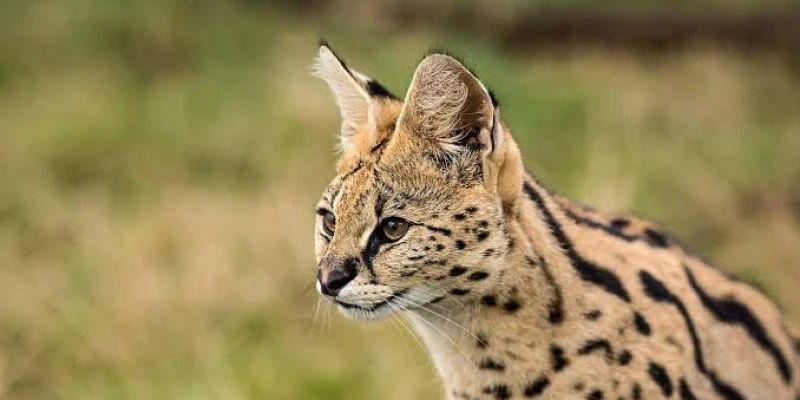
Serval Cat
The serval is a smaller predator occasionally seen in the crater grasslands. Its long legs and acute hearing make it highly effective at hunting rodents.
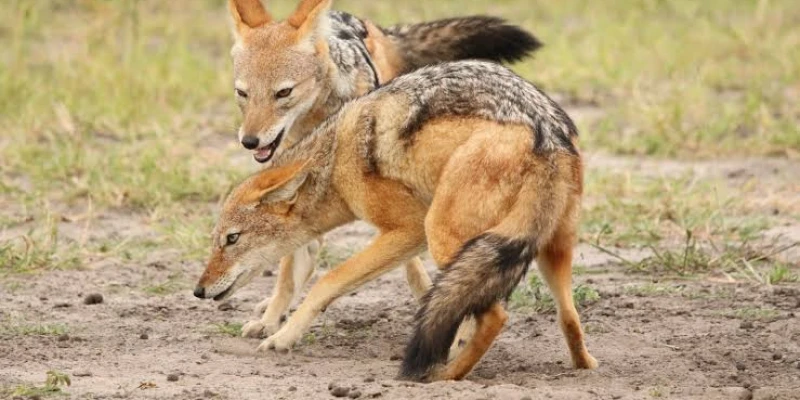
Jackals
Both black-backed and golden jackals are present in the crater. They are opportunistic feeders and often seen around predator kills.
Why Wildlife Viewing Is So Effective in Ngorongoro
The success of wildlife viewing in Ngorongoro Conservation Area is driven by several key factors:
- Natural enclosure: Animals remain within the crater ecosystem
- Permanent water sources: Support year-round wildlife presence
- Open visibility: Grasslands allow clear observation
- High predator-prey density: Increases chances of interaction
This combination creates one of the most reliable safari environments in Africa.
The Ngorongoro Crater is not just a wildlife destination.it is a complete ecological system compressed into a single, accessible area. From the rare black rhino to dominant lion prides and vast herbivore populations, the crater offers a level of wildlife concentration that is difficult to match anywhere else.
For travelers seeking efficiency without sacrificing quality, Ngorongoro Conservation Area provides one of the most powerful and rewarding safari experiences in Tanzania.
Discover More
Loved this safari story?
Join our exclusive list for luxury travel guides & hidden gems.