
 French
 German
 Spanish
 Italian
 Dutch
Dutch
 Chinese (Simplified)
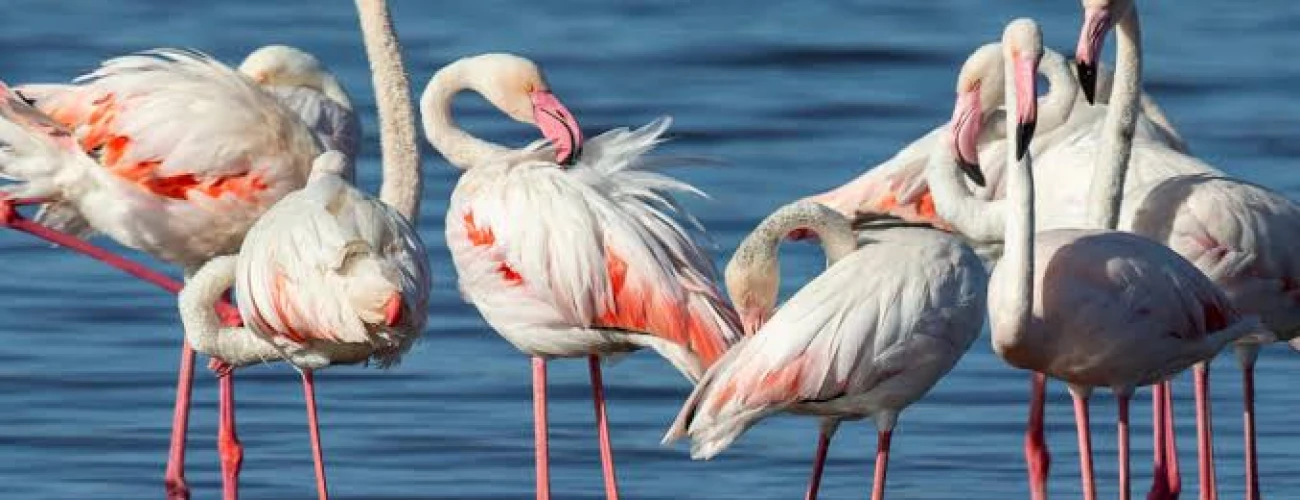
Birds of Tanzania Safari Parks
Tanzania is not only defined by its large mammals and iconic safari landscapes.it is also one of Africa’s most important birding destinations. Across its diverse ecosystems, from open savannahs to wetlands and forests, the country supports over 1,100 bird species, making it a key location for both casual wildlife travelers and dedicated bird enthusiasts.
Within protected areas such as Serengeti National Park, Ngorongoro Conservation Area, Tarangire National Park, and Lake Manyara National Park, birdlife plays a critical ecological role. It contributes to pollination, pest control, and environmental balance, while also adding depth and variety to the safari experience.
Understanding birdlife in Tanzania requires looking beyond species lists and focusing on habitats, behavior, and seasonal movement.
Savannah Birds: Open Landscape Specialists
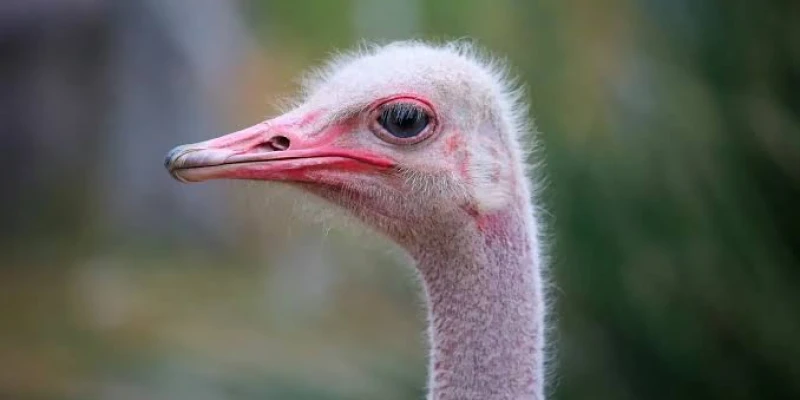
In the vast plains of Serengeti National Park and Tarangire National Park, bird species are adapted to open environments where visibility is high and vegetation is sparse.
Common species include:
- Ostriches, the largest birds on earth, often seen moving in pairs or small groups
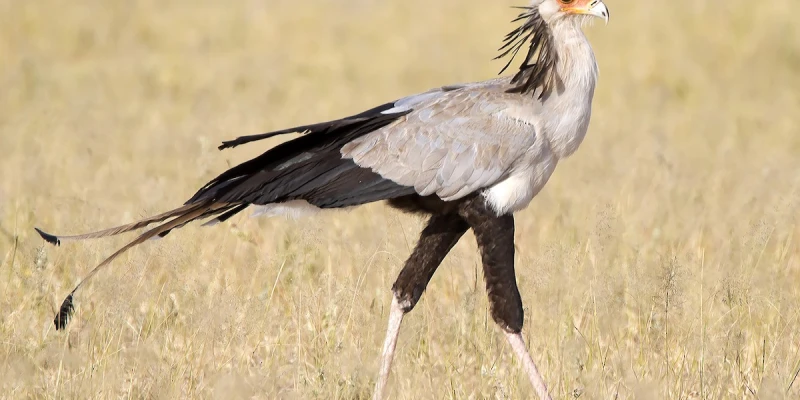
- Secretary birds, known for hunting snakes on foot
- Kori bustards, one of the heaviest flying birds in the world
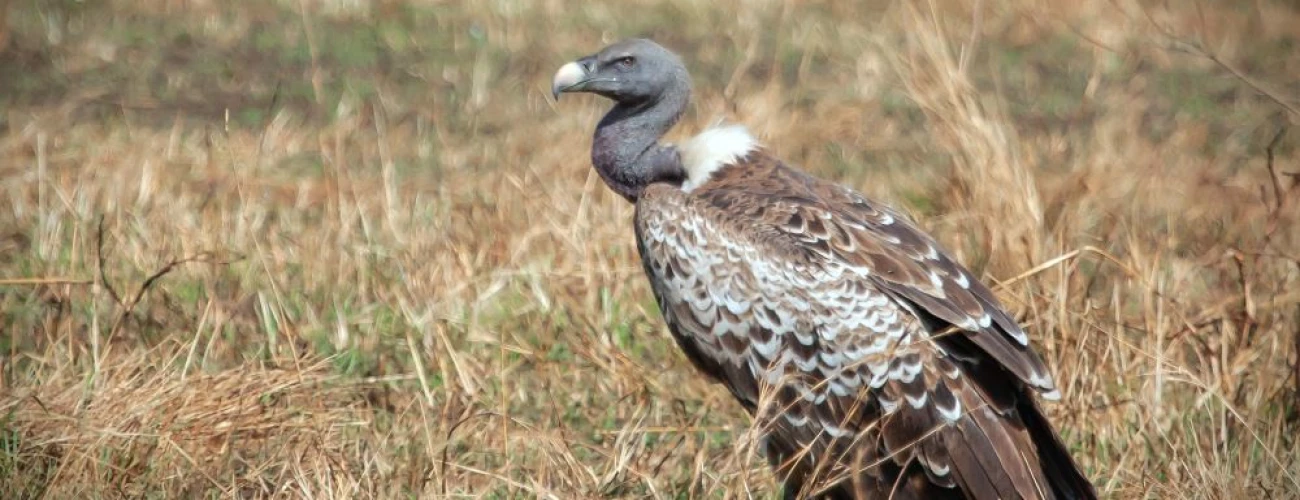
- Various species of eagles and vultures
These birds are often seen during game drives and are highly visible due to the openness of the terrain. Raptors, in particular, benefit from thermal air currents, allowing them to soar over large distances while searching for prey or carrion.
Wetland Birds: Life Around Water Systems
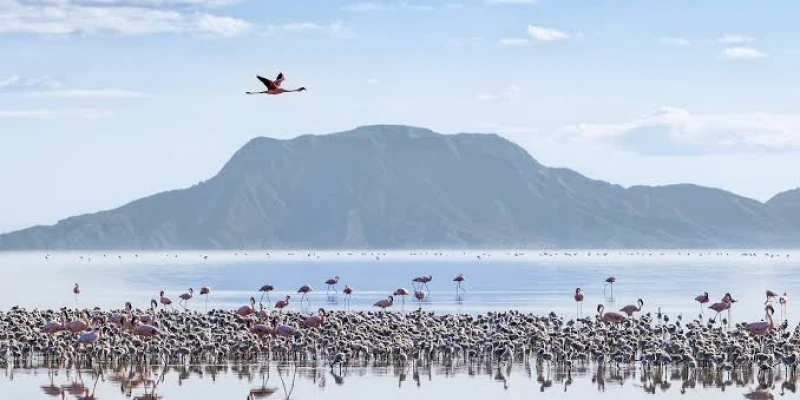
Wetlands and lakes attract a completely different category of birdlife. Areas such as Lake Manyara National Park and the soda lakes within Ngorongoro Conservation Area are rich in aquatic bird species.
Key species include:
- Flamingos, often forming large pink concentrations along alkaline lakes
- Pelicans, commonly seen gliding across open water
- Storks and herons, which hunt in shallow waters
- Kingfishers, known for their precision diving
These environments provide feeding and breeding grounds, particularly during seasonal water level changes. Bird density in these areas can be extremely high, especially during migration periods.
Forest and Woodland Birds: Hidden Diversity
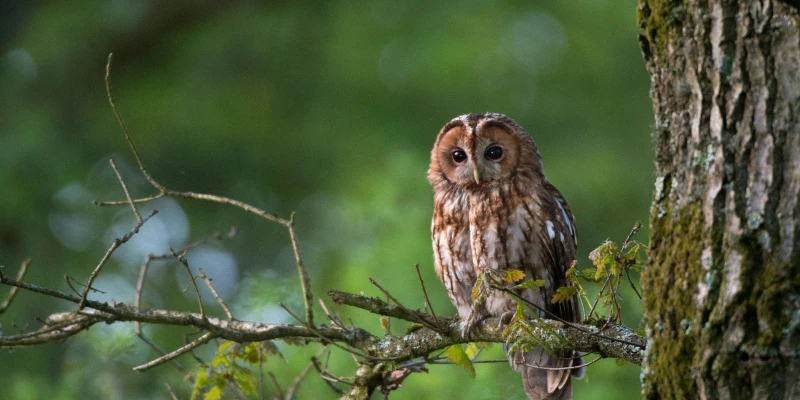
In more vegetated areas such as riverine forests and woodland habitats, birdlife becomes less visible but more diverse. These habitats are found in parts of Ngorongoro Conservation Area and around groundwater forests in Lake Manyara National Park.
Species in these areas include:
- Turacos, known for their bright colors
- Hornbills, often seen moving in pairs
- Bee-eaters, which are highly colorful and active
- Sunbirds, which feed on nectar
These birds require more focused observation and are often best seen during slower, more deliberate game drives or guided walking safaris.
Birds of Prey: Predators of the Sky
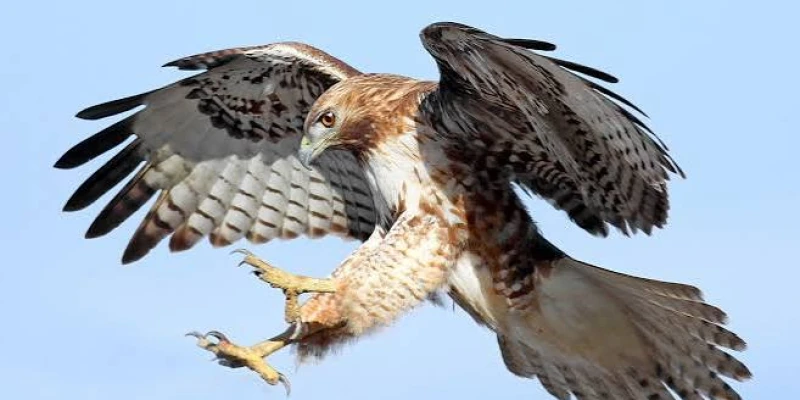
Tanzania’s safari parks support a wide range of raptors, making them a key highlight of birding experiences.
Across parks like Serengeti National Park and Ruaha National Park, visitors can encounter:
- Martial eagles, among the largest and most powerful
- Fish eagles, often associated with water bodies
- Vultures, which play a critical ecological role in carcass disposal
- Falcons and kites, known for their speed and agility
Raptors are often seen perched on trees or soaring overhead, using their vision and flight capability to dominate aerial hunting.
Seasonal Migration and Bird Movement
Birdlife in Tanzania is influenced by both local and international migration patterns.
- November to April: Migratory birds from Europe and Asia arrive
- Wet season: Breeding plumage becomes more visible
- Dry season: Bird concentration increases around water sources
This seasonal variation means that birding experiences can change significantly depending on when the safari takes place.
Why Birdlife Enhances the Safari Experience
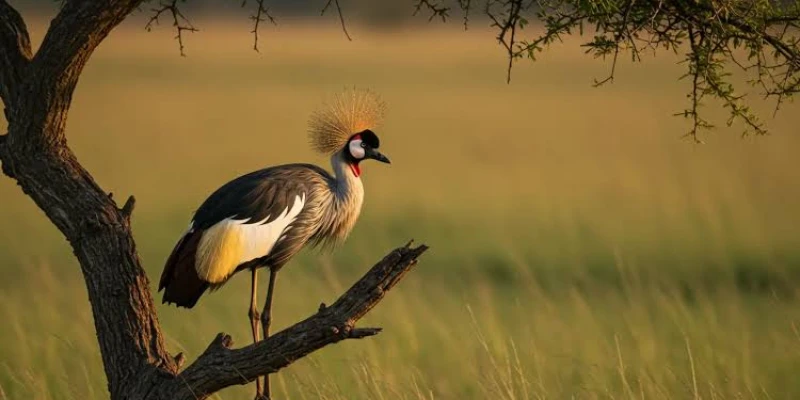
While large mammals often dominate safari expectations, birdlife adds an additional layer of richness to the experience.
Birds:
- Fill ecological gaps between large wildlife sightings
- Provide constant activity even when mammals are inactive
- Add color, sound, and movement to the environment
- Offer unique photographic opportunities
For experienced guides, bird identification and behavior interpretation become an essential part of a complete safari.
Birds in Tanzania safari parks are not secondary attractions they are a fundamental part of the ecosystem. From large terrestrial species like ostriches to delicate forest dwellers and powerful raptors, birdlife reflects the diversity and health of the environment.
Across destinations such as Serengeti National Park, Ngorongoro Conservation Area, Tarangire National Park, and Lake Manyara National Park, birds contribute to a more complete and immersive safari experience.
For travelers who take the time to observe them, they transform a standard safari into a deeper exploration of Tanzania’s natural systems.
Discover More
Loved this safari story?
Join our exclusive list for luxury travel guides & hidden gems.