
 French
 German
 Spanish
 Italian
 Dutch
Dutch
 Chinese (Simplified)
Everything You Need to Know Before Visiting Nyerere National Park
Nyerere National Park is one of Africa’s largest protected wildlife areas and one of Tanzania’s most unique safari destinations. Located in the southern safari circuit, the park offers a very different experience compared to the more famous northern parks such as the Serengeti or Ngorongoro.
This is not a safari built around crowds, traffic, or dozens of vehicles surrounding wildlife sightings. Nyerere is defined by scale, isolation, river ecosystems, and raw wilderness. It is a destination where safari feels less commercial and more connected to untouched nature.
For travelers looking for a quieter, more immersive safari experience, understanding how Nyerere works is essential before planning the journey.
The Largest National Park in Tanzania
Nyerere National Park is one of the largest national parks in Africa, covering an enormous landscape of rivers, woodlands, open plains, wetlands, and dense bush ecosystems.
The park was formerly part of the famous Selous Game Reserve before being officially designated as a national park. Its massive size creates one of the least crowded safari environments in Tanzania.
Unlike parks where wildlife viewing happens along heavily used circuits, Nyerere offers a sense of exploration and remoteness that feels truly wild.
The Rufiji River: The Heart of the Ecosystem
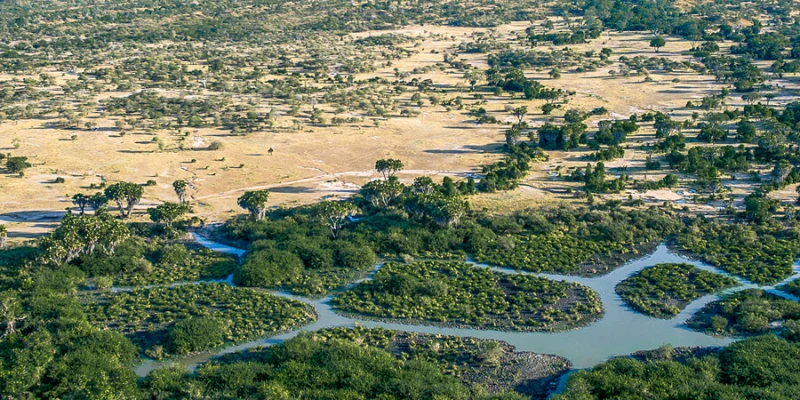
The defining feature of Nyerere is the Rufiji River system.
This river shapes the entire ecosystem and creates one of the most unique safari experiences in Africa. Large channels, lakes, and wetlands attract enormous concentrations of wildlife throughout the year.
The river environment supports:
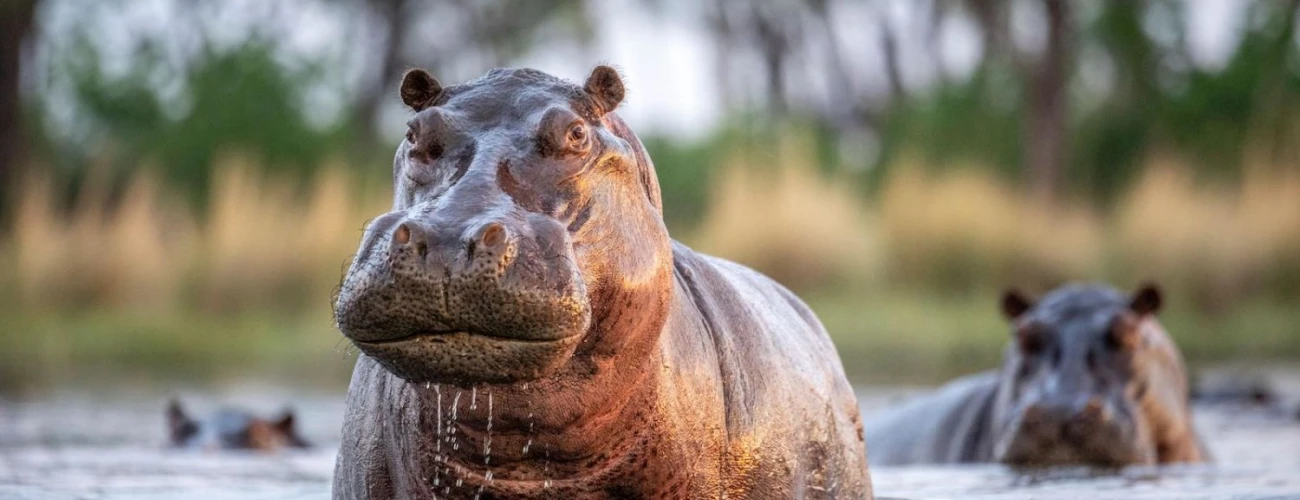
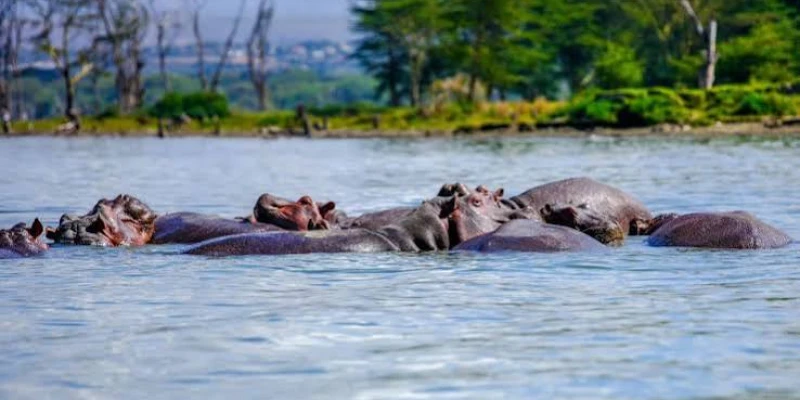
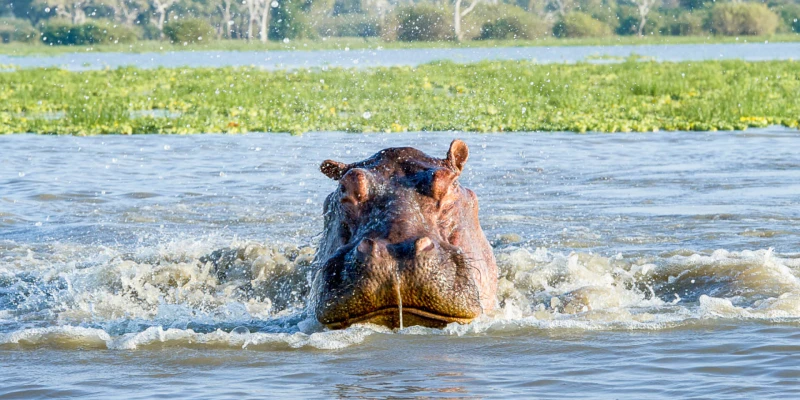
- Hippos in large numbers
- Massive Nile crocodiles
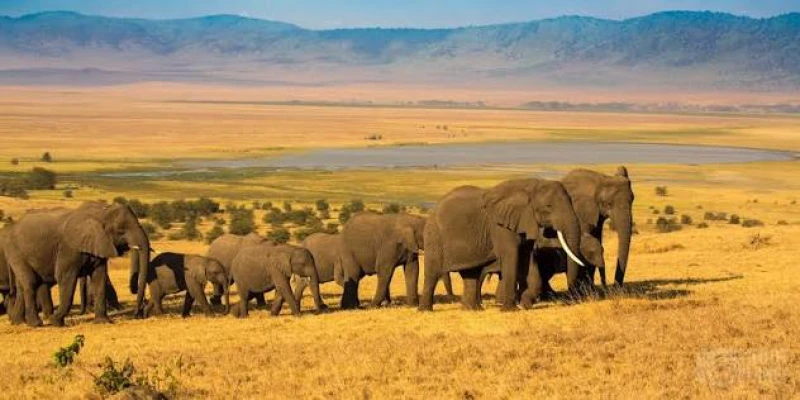
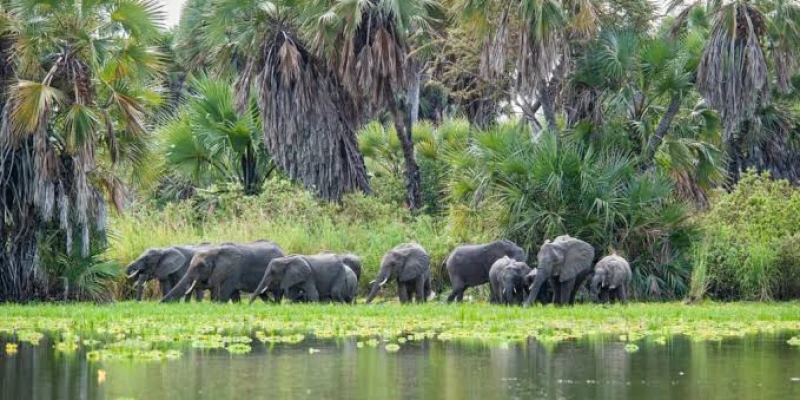
- Elephants crossing riverbanks
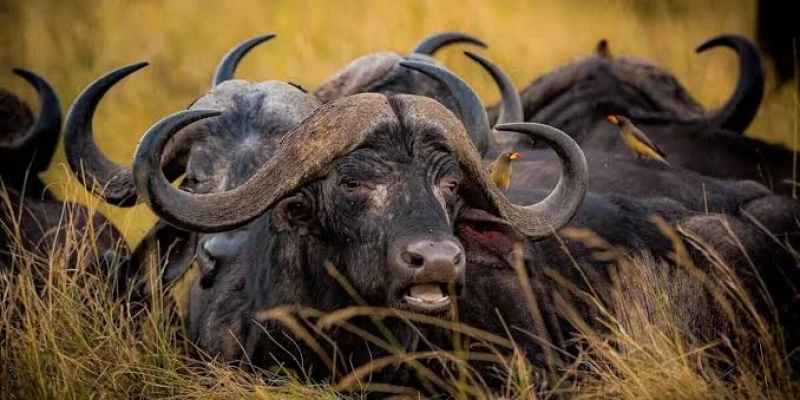
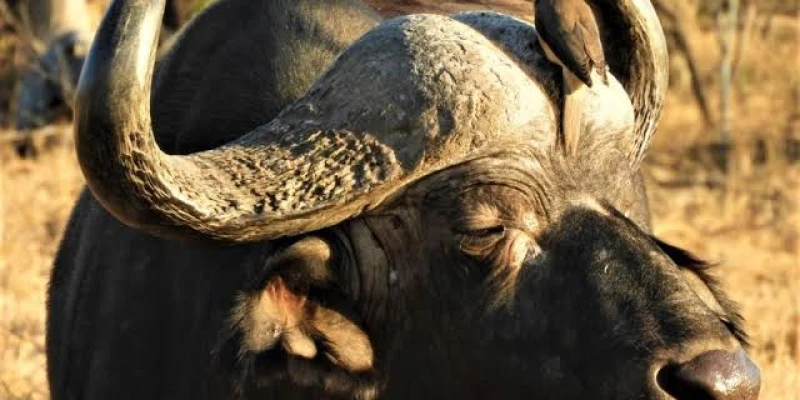
- Buffalo herds gathering near water
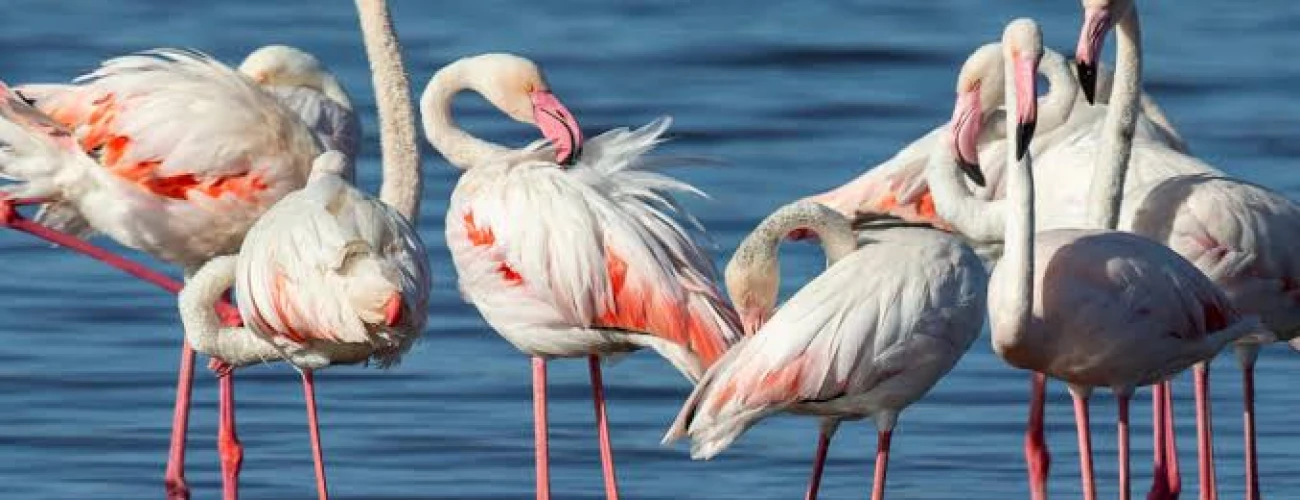
- Rich birdlife across wetlands and palm-lined channels
The Rufiji is not simply scenery.it is the core of wildlife movement inside the park
Boat Safaris: What Makes Nyerere Different
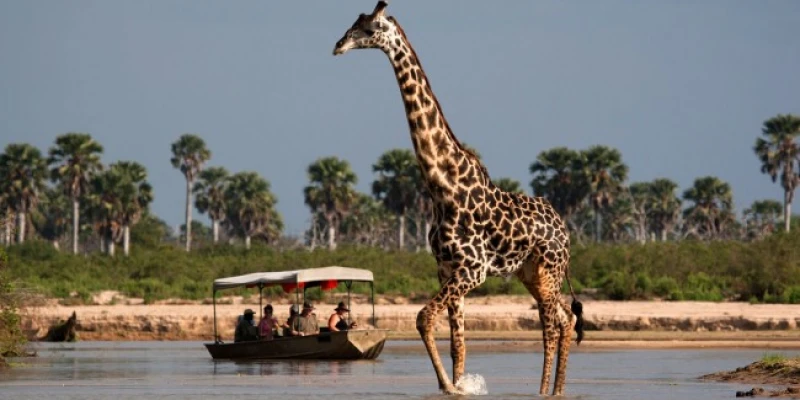
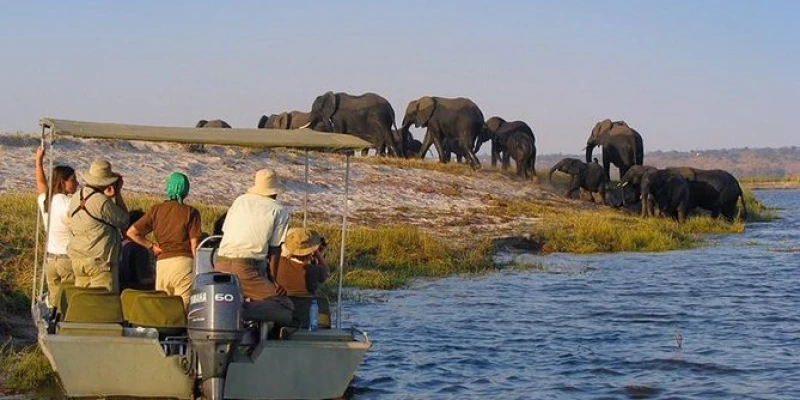
One of the biggest differences between Nyerere and northern Tanzania safari parks is the opportunity for boat safaris.
Instead of viewing wildlife only from vehicles, visitors can explore the Rufiji River by boat while observing animals directly from the water level.
Boat safaris offer close perspectives of:
- Hippo pools
- Crocodiles resting along sandbanks
- Elephants drinking at river edges
- Waterbirds hunting in shallow channels
- Sunset wildlife activity near the river system
This creates a completely different safari atmosphere compared to traditional game drives.
Wildlife in Nyerere National Park
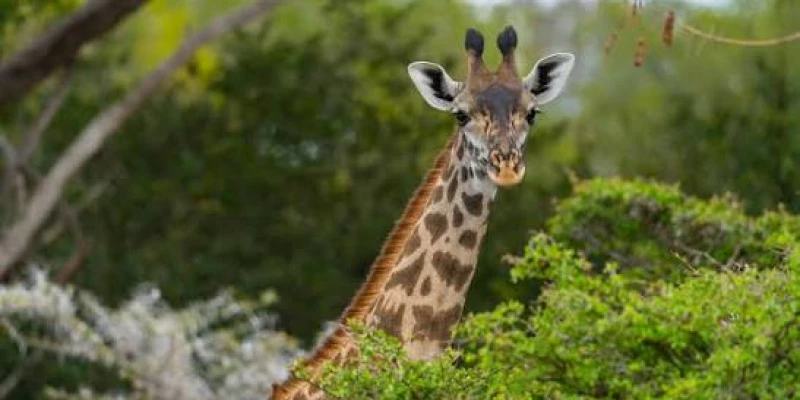
Nyerere supports a diverse wildlife population across multiple ecosystems.
Visitors commonly encounter:
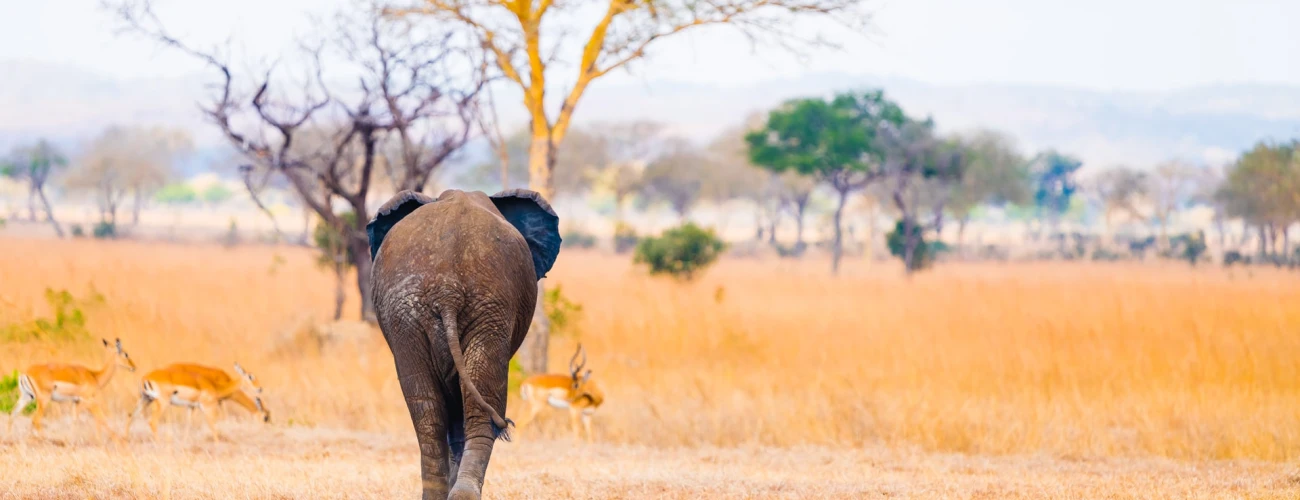
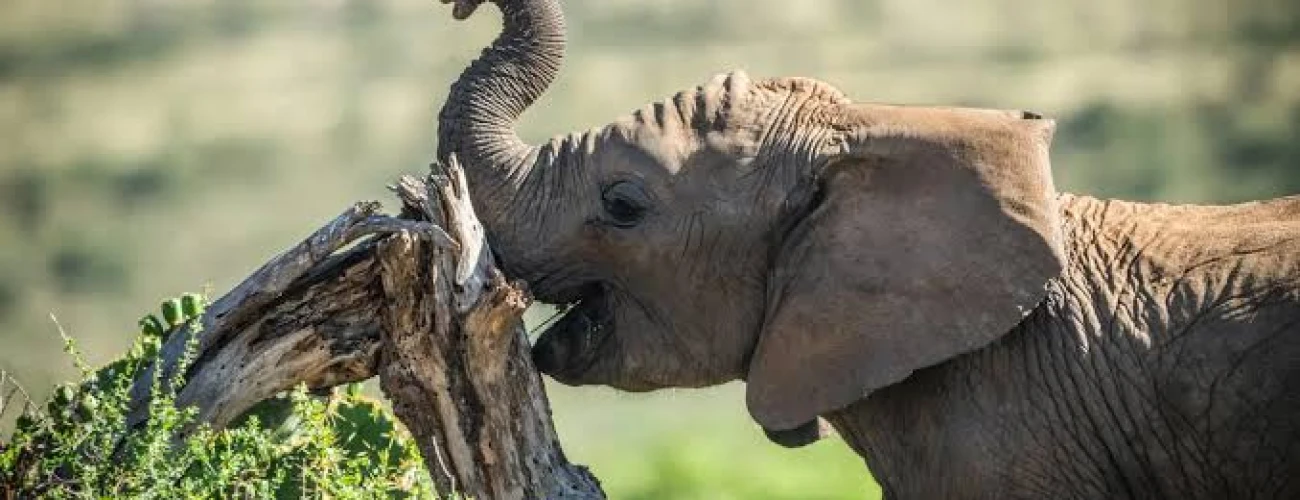
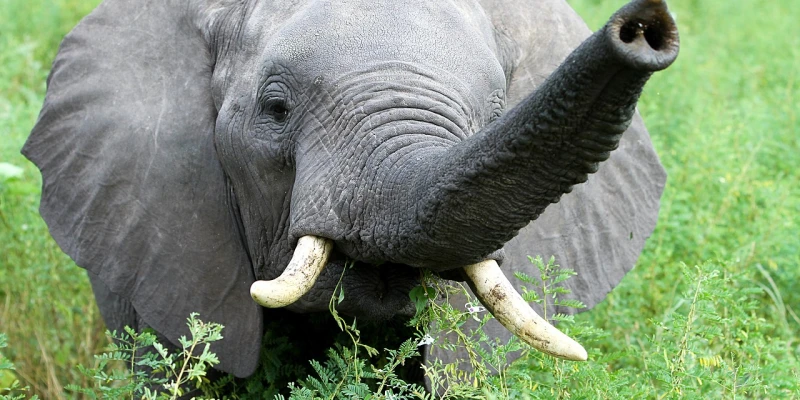
- Elephants
- Lions
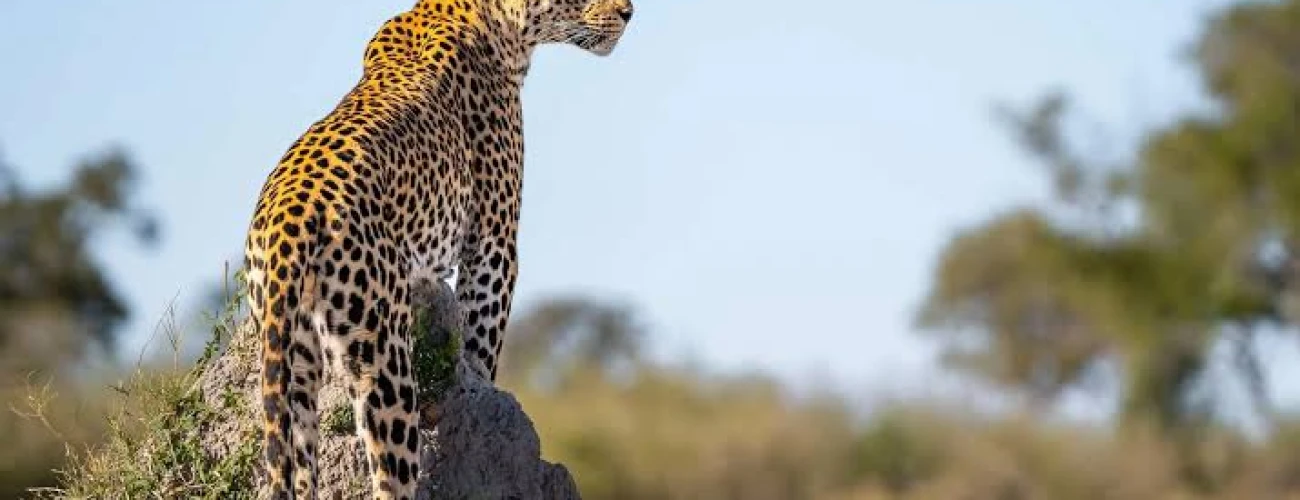
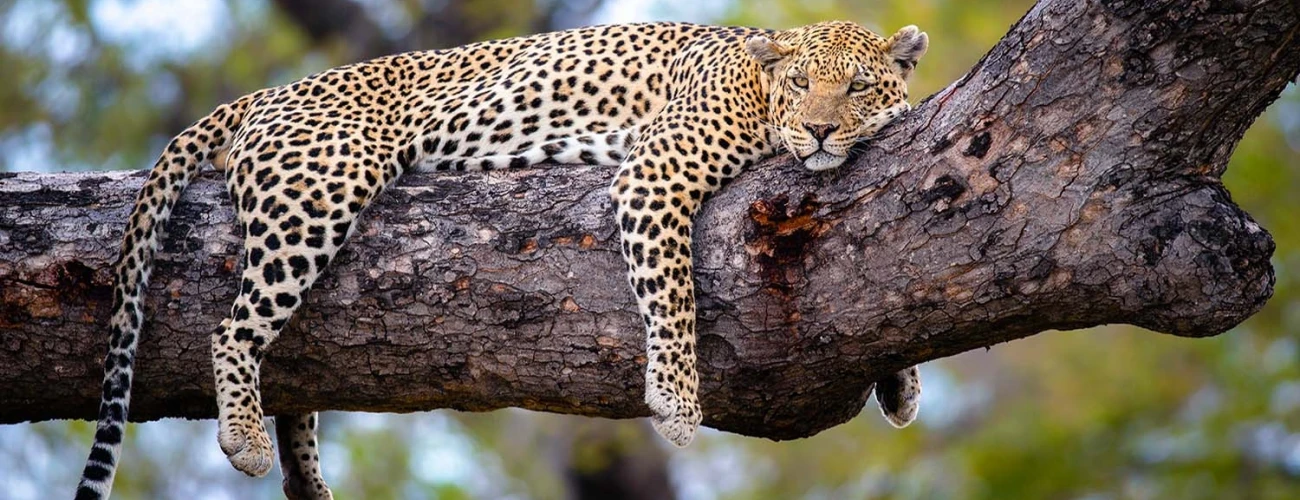
- Leopards
- Buffalo
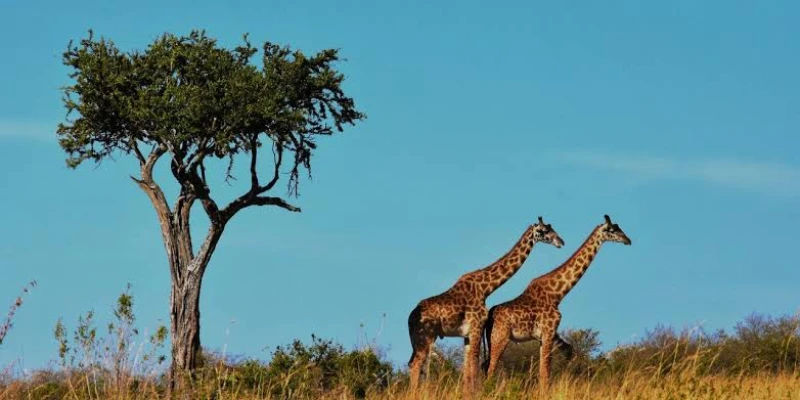
- Giraffes
- Zebras
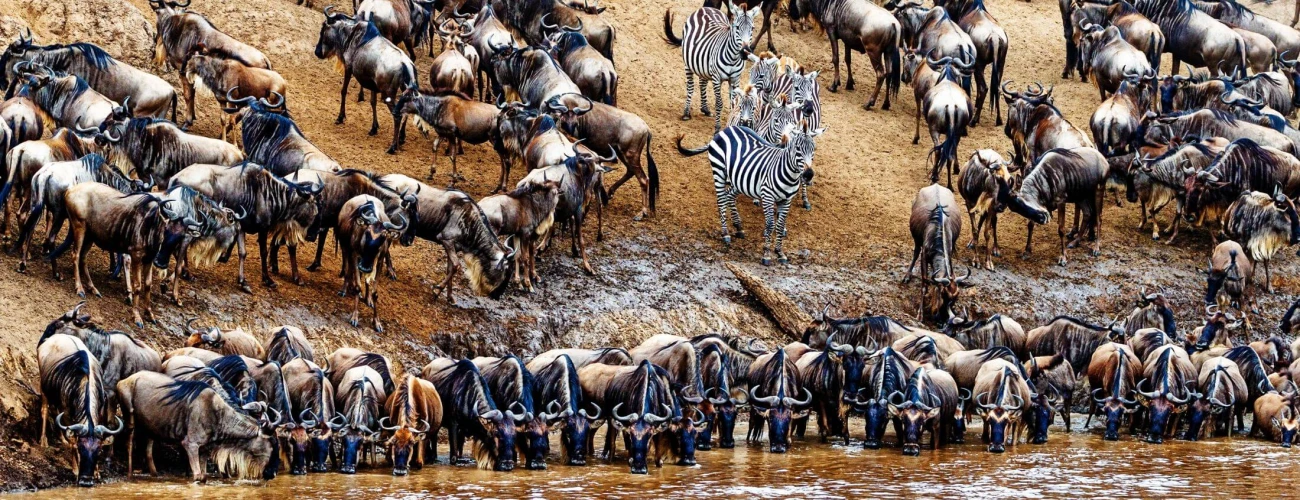
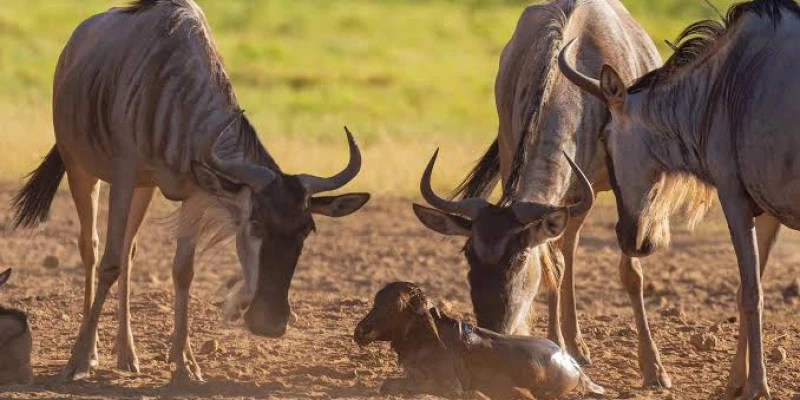
- Wildebeest
- Hyenas
- Hippos
- Crocodiles
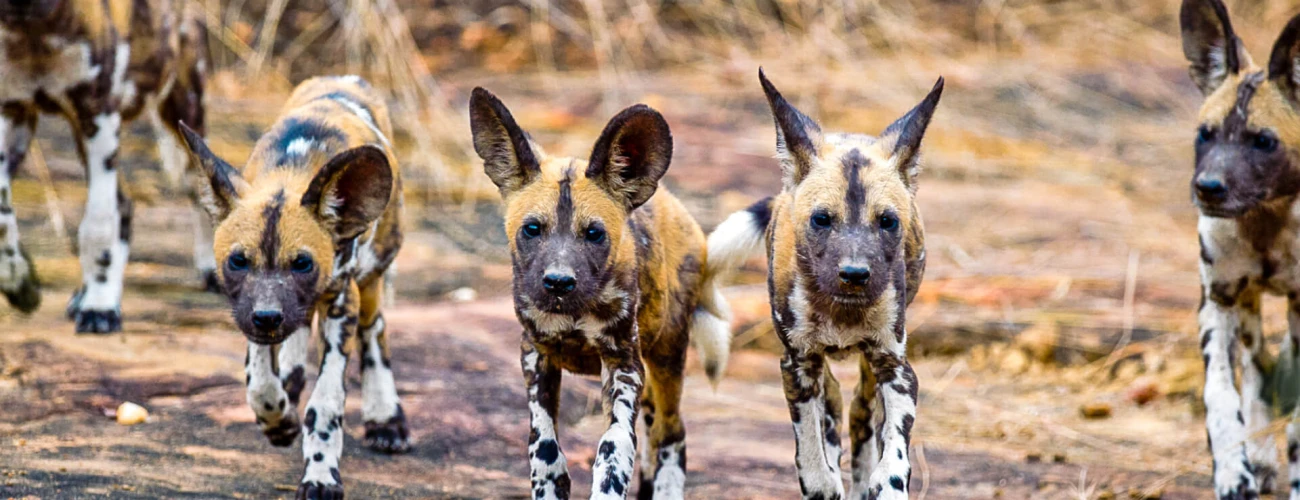
The park is also known for supporting populations of endangered African wild dogs, one of the rarest predator sightings in Africa.
Wildlife density can vary depending on season and region, but the experience feels highly natural because sightings happen within vast open wilderness rather than concentrated tourist zones.
Birdlife and Wetland Ecosystems
Nyerere is also one of Tanzania’s strongest birdwatching destinations. The river systems and wetlands support hundreds of bird species throughout the year.
Travelers may encounter:
- African fish eagles
- Kingfishers
- Saddle-billed storks
- Herons and egrets
- Bee-eaters
- Pelicans
- Open-billed storks
- Hornbills
Bird activity becomes especially strong near river channels during early mornings and late afternoons.
Walking Safaris in Southern Tanzania
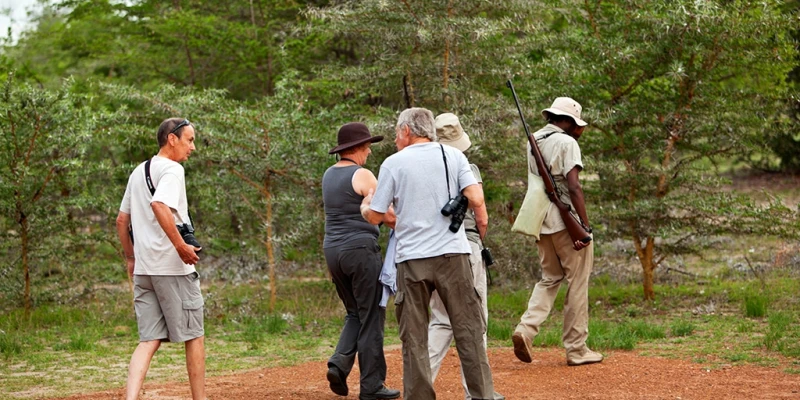
Southern Tanzania is famous for walking safaris, and Nyerere is one of the best places to experience them.
Unlike vehicle-based safaris, walking safaris focus on:
- Animal tracks
- Ecosystem details
- Bird calls
- Plant life and survival systems
- Understanding the bush from ground level
Armed ranger-guides lead these experiences under controlled safety procedures.
Walking safaris create a much deeper connection to the environment because travelers experience the wilderness directly rather than observing it only from vehicles.
Best Time to Visit Nyerere National Park
The dry season from June to October is generally considered the best period for wildlife viewing.
During this time:
- Vegetation becomes thinner
- Wildlife concentrates near water sources
- Road access improves
- Temperatures remain more comfortable
The green season from November to May transforms the landscape into a lush environment with dramatic scenery and strong bird activity, though rainfall can affect road conditions in some areas.
Safari Style and Atmosphere
Nyerere offers a completely different atmosphere compared to heavily visited safari parks.
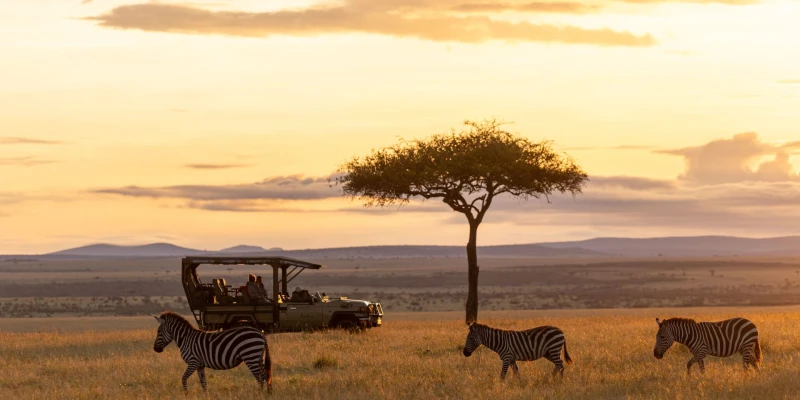
The experience is quieter, slower, and more immersive. Travelers often spend long periods without encountering other vehicles, creating a stronger sense of exclusivity and wilderness.
This makes the park especially attractive for:
- Repeat safari travelers
- Wildlife photographers
- Couples seeking privacy
- Travelers wanting less crowded safari experiences
Access and Travel Logistics
Nyerere National Park can be accessed by road or domestic flight from Dar es Salaam.
Fly-in safaris are the fastest option and significantly reduce travel time. Road safaris provide a broader overland experience but require longer driving hours.
Because of the park’s size, many travelers combine Nyerere with other southern Tanzania destinations for a more complete circuit experience.
Nyerere National Park is not defined by crowds or fast-paced safari traffic. It is defined by river systems, open wilderness, boat safaris, walking experiences, and a deep sense of natural isolation.
For travelers seeking a safari that feels raw, expansive, and less commercialized, Nyerere offers one of the strongest wilderness experiences in Africa.
Contact Jasiri Safaris and start planning your unforgettable wilderness journey today.
Discover More
Loved this safari story?
Join our exclusive list for luxury travel guides & hidden gems.