
 French
 German
 Spanish
 Italian
 Dutch
Dutch
 Chinese (Simplified)
Best Time to See Big Five in Tanzania
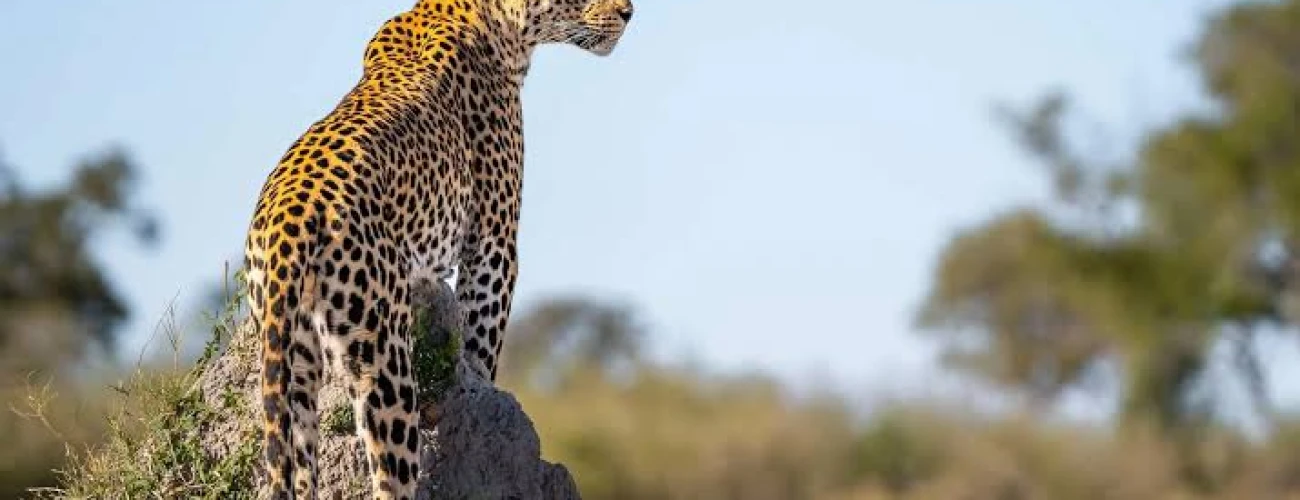
Seeing the Big Five such as lion, elephant, buffalo, leopard, and rhino in Tanzania is not only about choosing the right season, but also selecting the right parks. Different ecosystems across the country offer different strengths, and combining timing with location is what defines a successful safari.
Tanzania’s key wildlife areas include both northern and southern parks such as Serengeti National Park, Ngorongoro Conservation Area, Tarangire National Park, Mkomazi National Park, Nyerere National Park, Mikumi National Park, and Ruaha National Park. Each of these parks responds differently to seasonal changes, making timing a strategic decision rather than a general guideline.
June to October: Peak Dry Season Across All Circuits
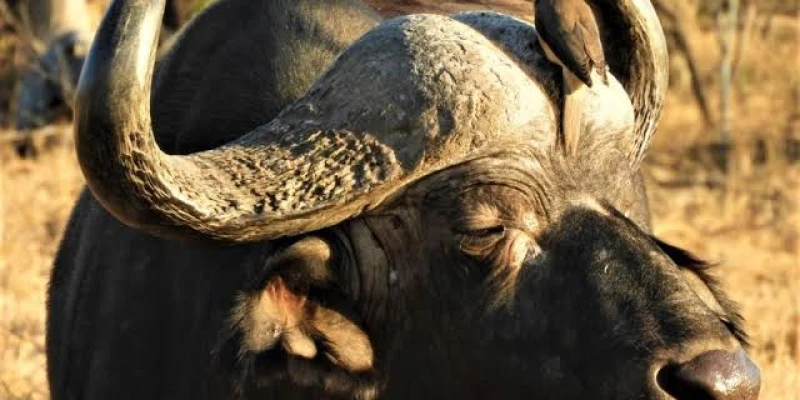
From June to October, Tanzania enters its most reliable safari period. Rainfall is minimal, vegetation becomes thinner, and water sources shrink, forcing animals to gather in predictable locations.
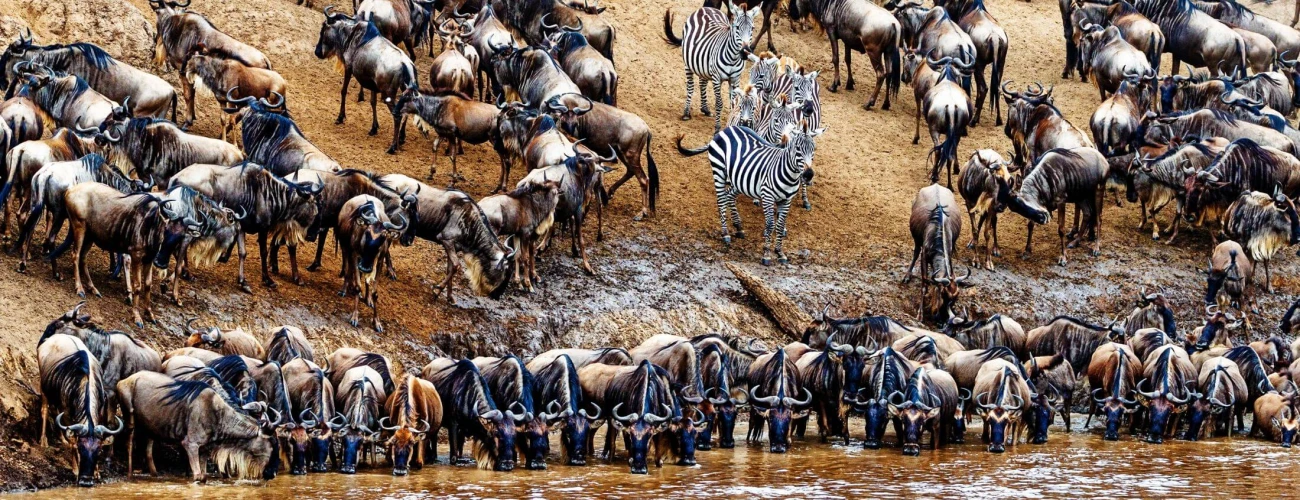
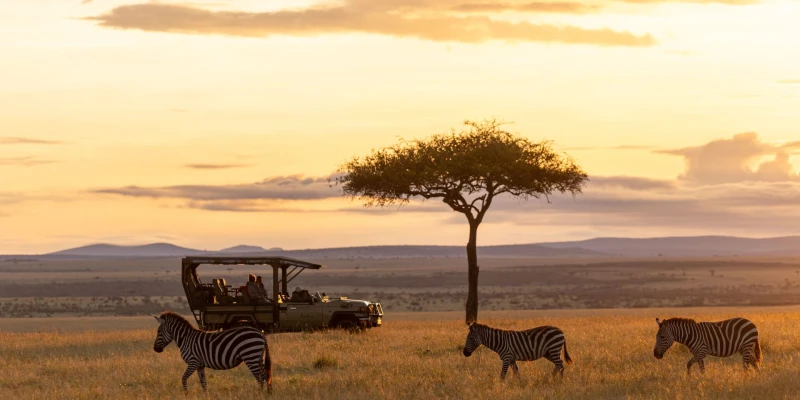
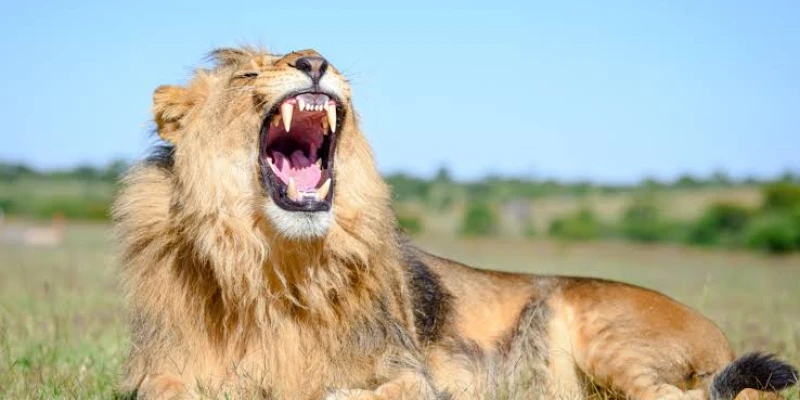
In northern parks such as Serengeti National Park and Ngorongoro Conservation Area, wildlife density becomes highly concentrated. Lions are easier to spot in open plains, elephants move toward permanent water sources, and rhino sightings in Ngorongoro become more consistent.
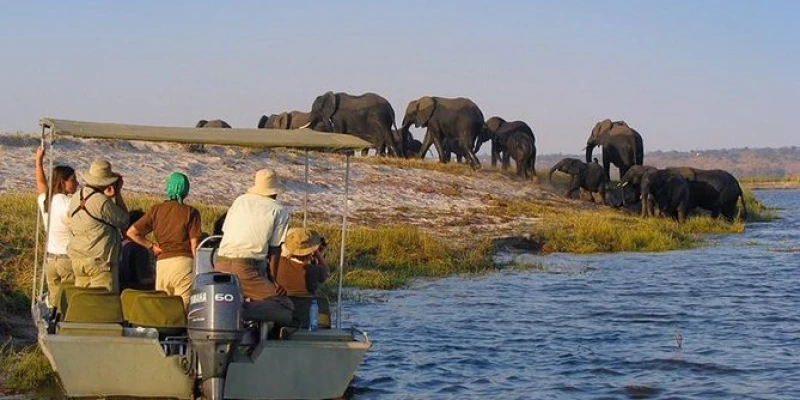
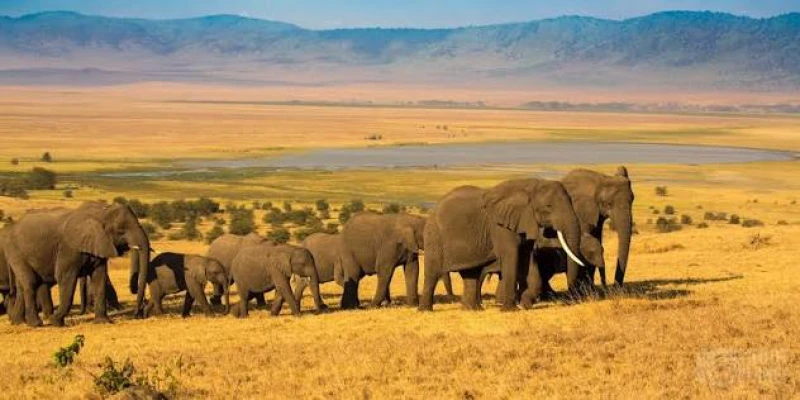
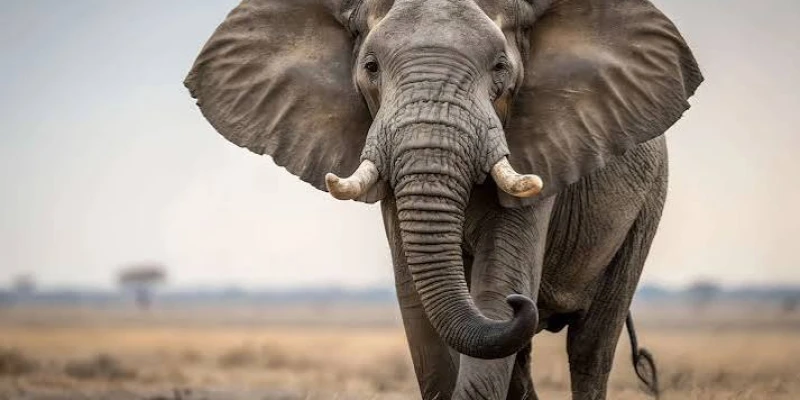
In Tarangire National Park, this is the peak elephant season, with large herds gathering along the Tarangire River.
Southern parks perform even more strongly during this period. In Nyerere National Park and Ruaha National Park, wildlife concentrates around rivers such as the Rufiji and Ruaha River systems. Predator activity increases significantly due to higher prey density.
Mikumi National Park becomes highly productive, offering open savannah viewing similar to Serengeti but with easier access from Dar es Salaam.
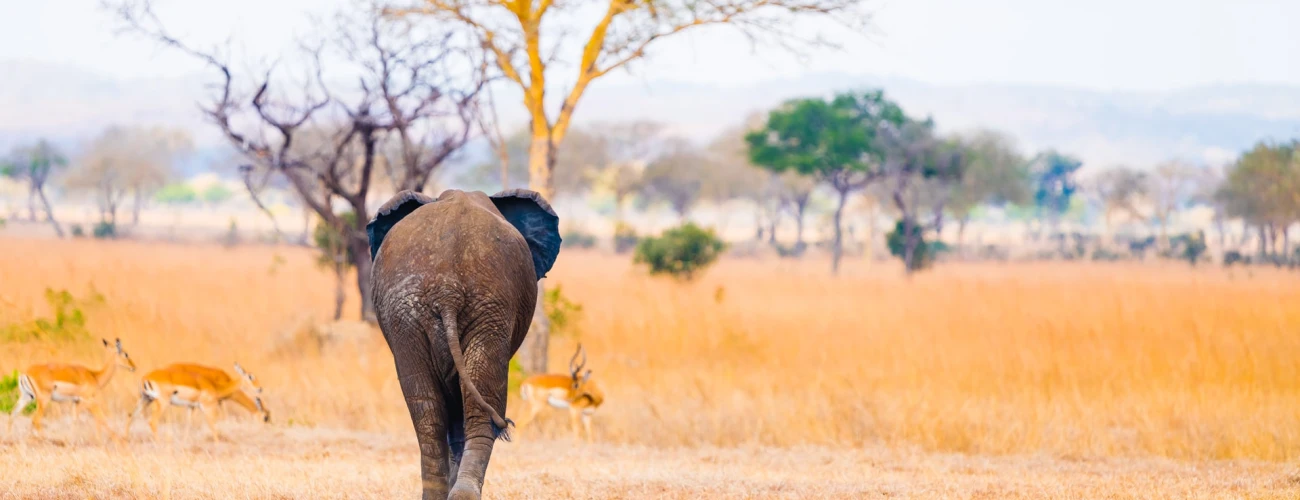
Even in drier ecosystems like Mkomazi National Park, wildlife visibility improves as animals gather around limited water sources.
This season provides:
- Highest Big Five sighting probability
- Best visibility due to short grass
- Strong predator-prey interaction
It is the most recommended period for both northern and southern circuits.
December to February: Active Ecosystems and Predator Behavior
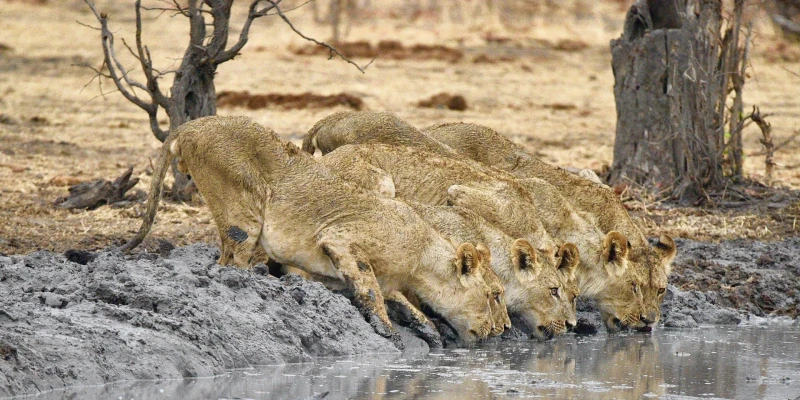
Between December and February, Tanzania experiences a short dry season following the November rains.
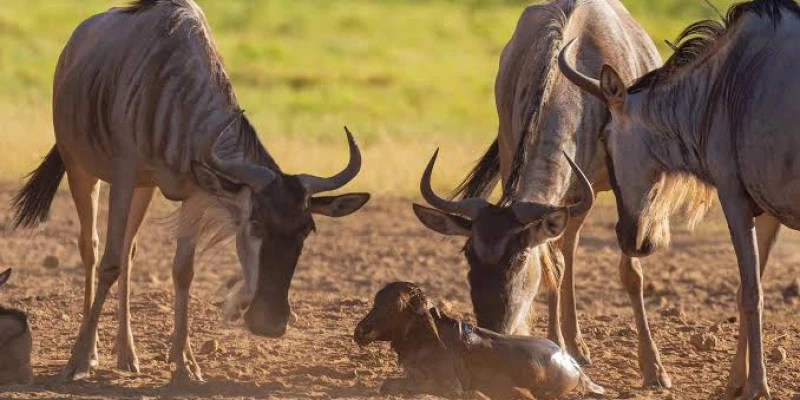
In Serengeti National Park, this period aligns with the calving season in the southern plains. Thousands of newborn animals attract predators, creating intense wildlife action.
Ngorongoro Conservation Area remains strong for Big Five sightings, particularly for rhinos and lions due to its enclosed ecosystem.
Southern parks such as Nyerere National Park and Ruaha National Park still offer good wildlife viewing, although animals are slightly more dispersed due to available water.
Mikumi National Park continues to provide consistent sightings due to its open landscape.
Mkomazi National Park becomes greener, making wildlife slightly harder to spot, but still accessible.
This period offers:
- Strong predator activity
- Excellent photography conditions
- Warmer temperatures and higher humidity
March to May: Green Season and Reduced Visibility
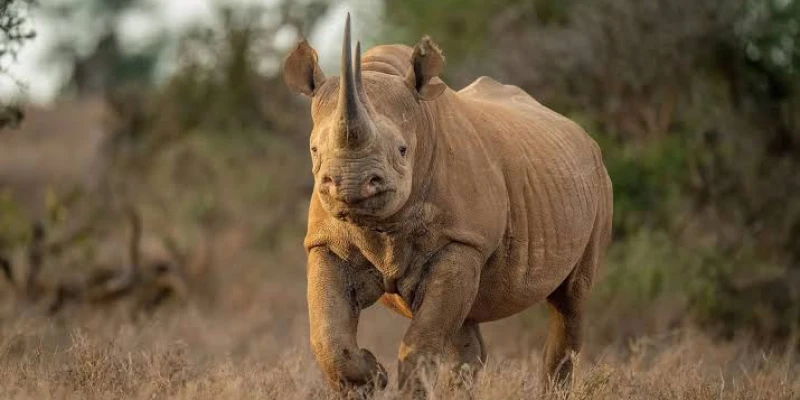
From March to May, heavy rains dominate most regions of Tanzania.
Across parks like Serengeti National Park, Tarangire National Park, and Ruaha National Park:
- Vegetation becomes dense
- Wildlife disperses due to widespread water availability
- Road conditions may become challenging
In Nyerere National Park, some areas may become less accessible due to flooding.
Mikumi National Park remains accessible but with reduced visibility.
Mkomazi National Park becomes lush and scenic, though wildlife spotting becomes more difficult.
Despite these challenges, this season offers:
- Lower travel costs
- Fewer tourists
- Green landscapes ideal for photography
Big Five sightings are still possible but require more time and experienced guiding.
November: Transitional Season with Balanced Conditions
November is a short rainy season, often characterized by brief and scattered showers.
Across all major parks, including Serengeti National Park, Mikumi National Park, and Nyerere National Park:
- Wildlife remains active
- Vegetation begins to recover
- Tourist numbers remain moderate
This creates a balanced environment where Big Five sightings are still achievable without peak-season pressure.
Park-Specific Strengths for the Big Five
Different parks offer different advantages:
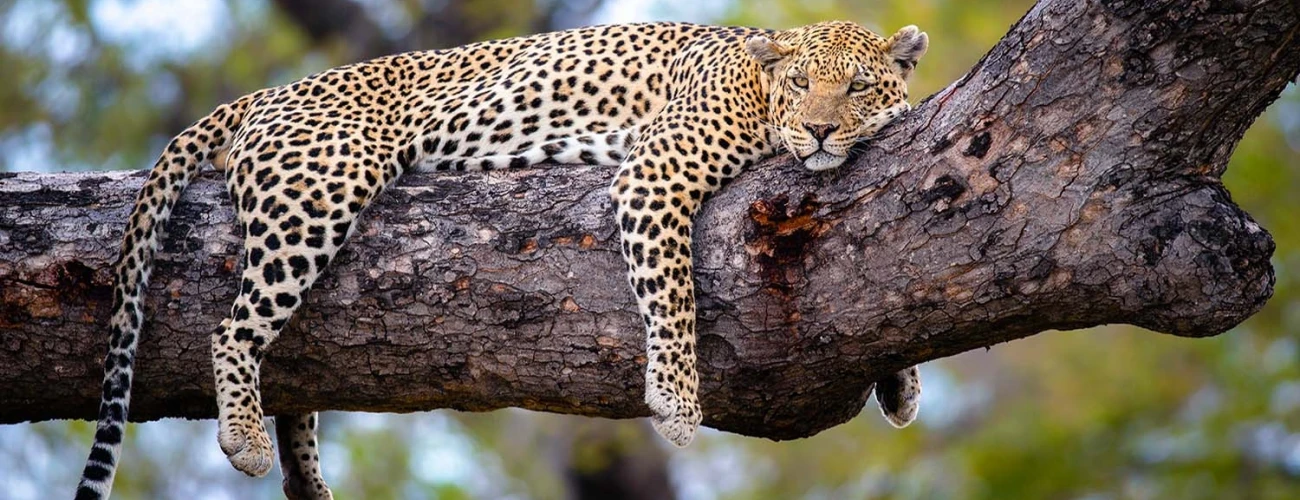
- Serengeti National Park: Best for lions and leopards
- Ngorongoro Conservation Area: Best for rhinos and full Big Five in one day
- Tarangire National Park: Best for elephants( No Rhino)
- Ruaha National Park: Strong predator populations( No Rhino)
- Nyerere National Park: Large-scale wilderness and diverse wildlife
- Mikumi National Park: Easy-access Big Five viewing( No Rhino)
- Mkomazi National Park: Unique for black rhino conservation and rare species
The best time to see the Big Five in Tanzania is not defined by a single season.it is defined by the combination of season and location.
- June to October: Highest success rate across all parks
- December to February: Best for predator action and dynamic ecosystems
- March to May: Lower visibility but fewer crowds and lower costs
- November: Balanced and flexible travel conditions
By aligning the right parks both northern and southern with the right season, travelers can transform a standard safari into a highly efficient, well-structured, and rewarding wildlife experience across Tanzania
Discover More
Loved this safari story?
Join our exclusive list for luxury travel guides & hidden gems.