
 French
 German
 Spanish
 Italian
 Dutch
Dutch
 Chinese (Simplified)
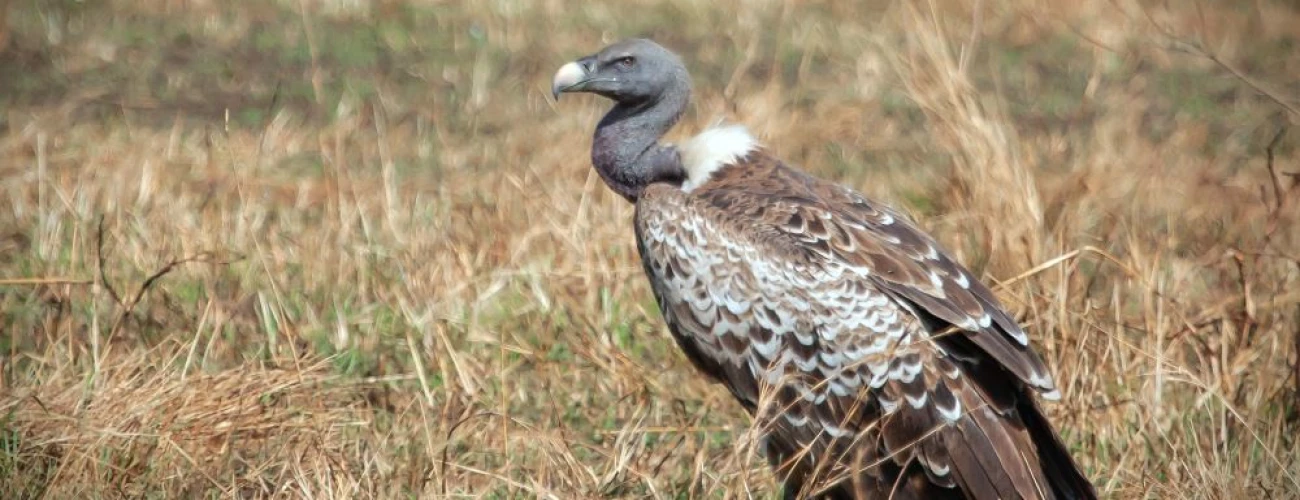
Ruaha National Park vs Nyerere National Park Which Safari Experience Is Right for You?
Southern Tanzania is home to two of Africa’s most remarkable safari ecosystems: Ruaha National Park and Nyerere National Park. Both parks offer authentic wilderness experiences far from the crowded safari routes commonly associated with East Africa’s more commercial destinations.
However, these two parks are fundamentally different in atmosphere, wildlife dynamics, landscapes, safari activities, and overall travel style. Choosing between them depends entirely on the type of safari experience travelers want to experience most deeply.
Landscape and Overall Safari Environment
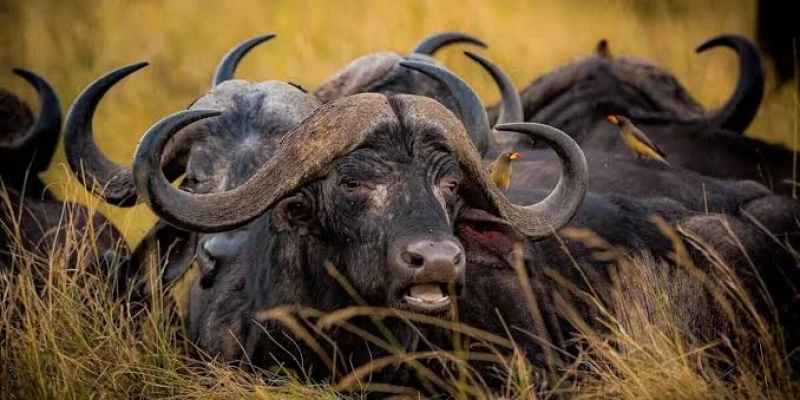
The first major difference between Ruaha and Nyerere is the landscape itself and how it shapes the safari atmosphere.
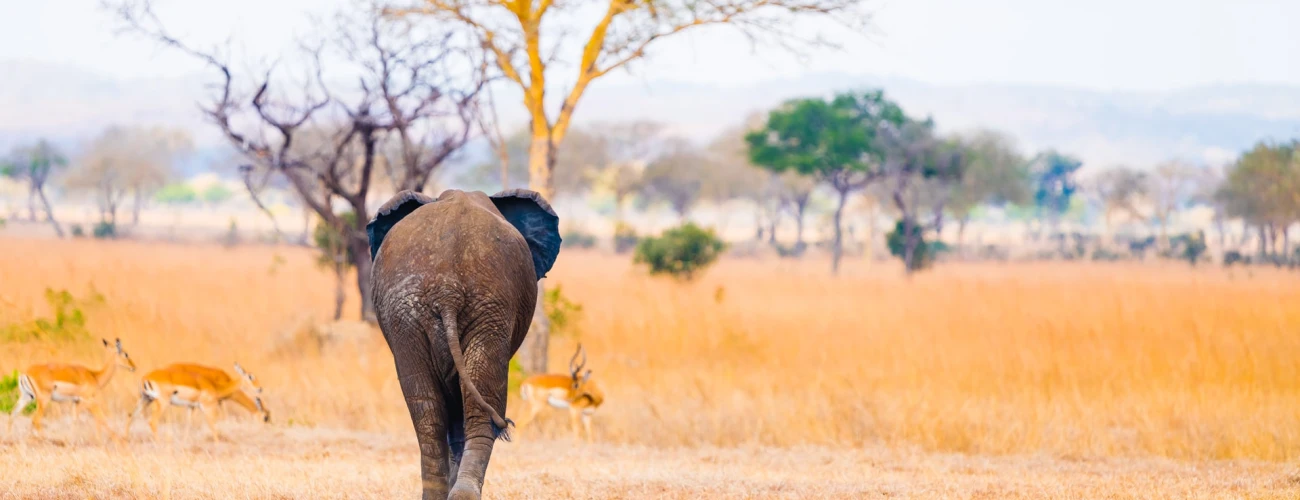
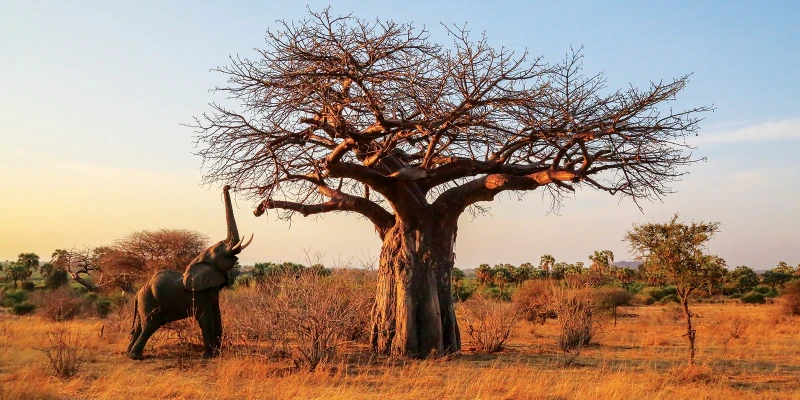
Ruaha is dominated by dry savannah ecosystems, ancient baobab forests, rocky escarpments, seasonal riverbeds, and vast open plains. The environment feels rugged, dramatic, and wild. During the dry season, golden grasslands and dusty terrain create a classic predator-focused African safari atmosphere.
Nyerere, on the other hand, is shaped by the Rufiji River system. Wetlands, palm-lined waterways, lakes, and river channels dominate the ecosystem. The park feels greener, softer, and more water-oriented compared to Ruaha’s harsher dry landscapes.
These environmental differences completely change the rhythm and mood of the safari experience.
Predator Experience and Wildlife Intensity
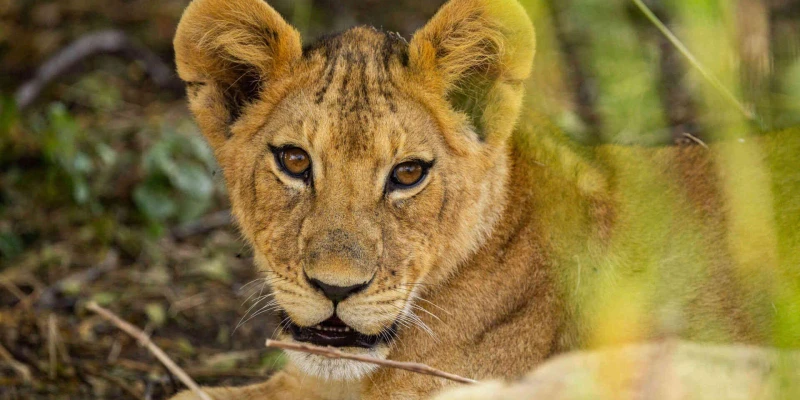
For travelers specifically interested in predators, Ruaha is generally considered the stronger destination.
Ruaha supports:
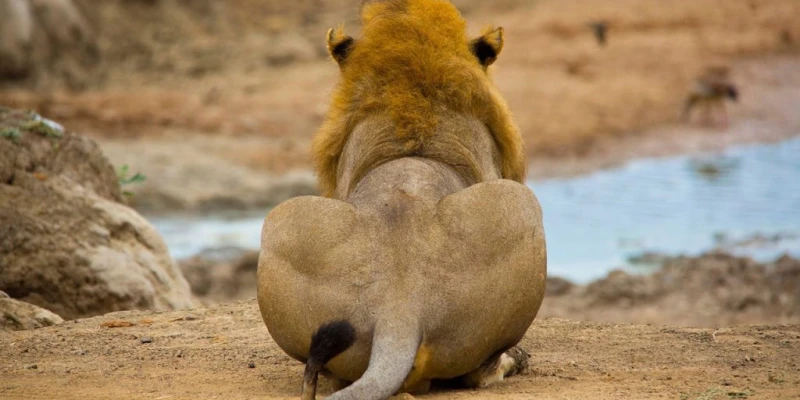
- large lion populations
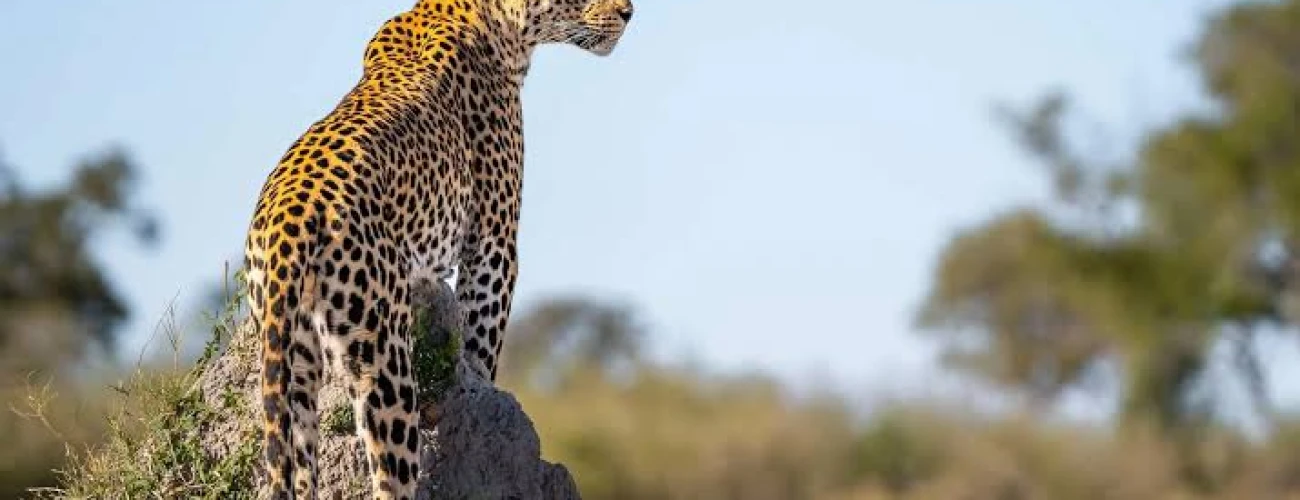
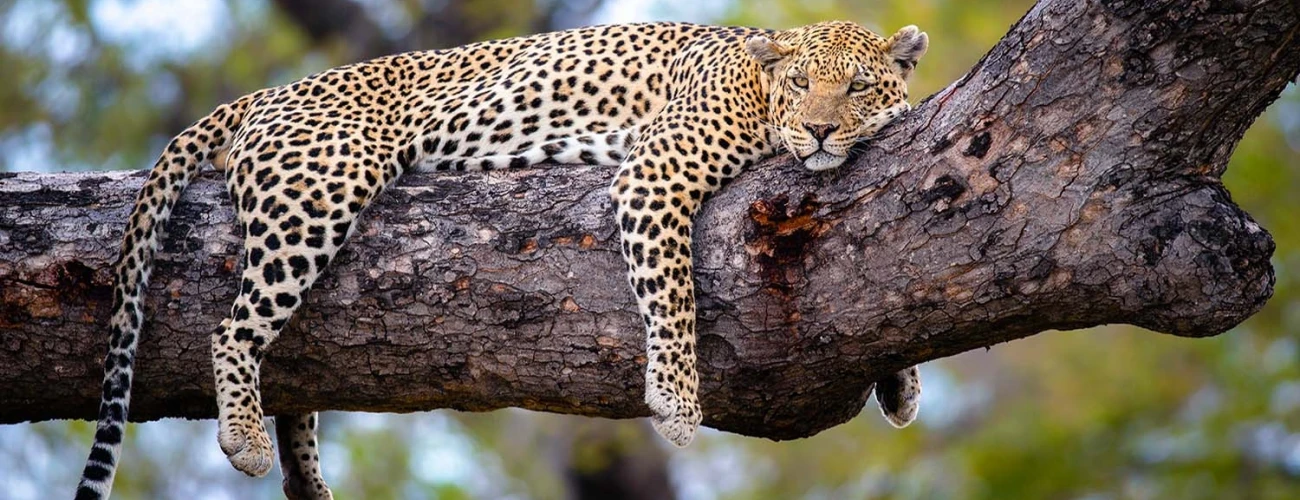
- strong leopard presence
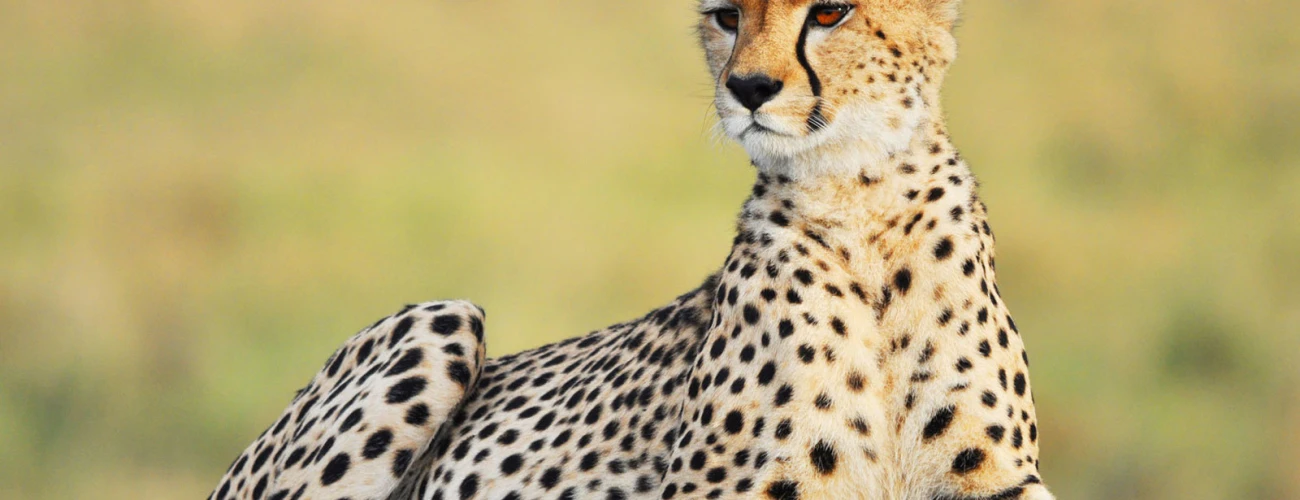
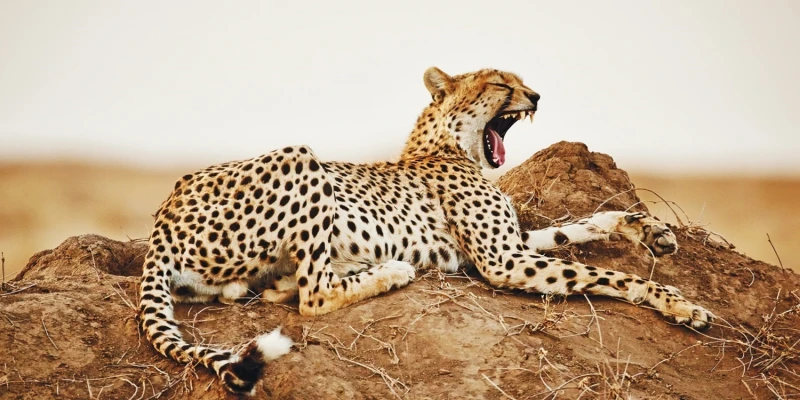
- cheetahs in open terrain
- spotted hyena clans
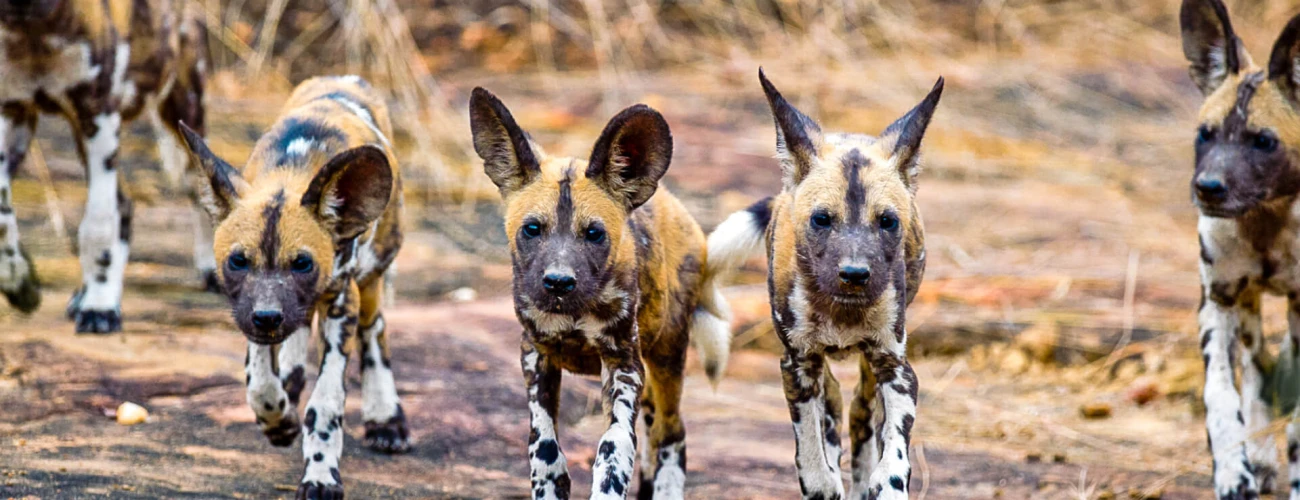
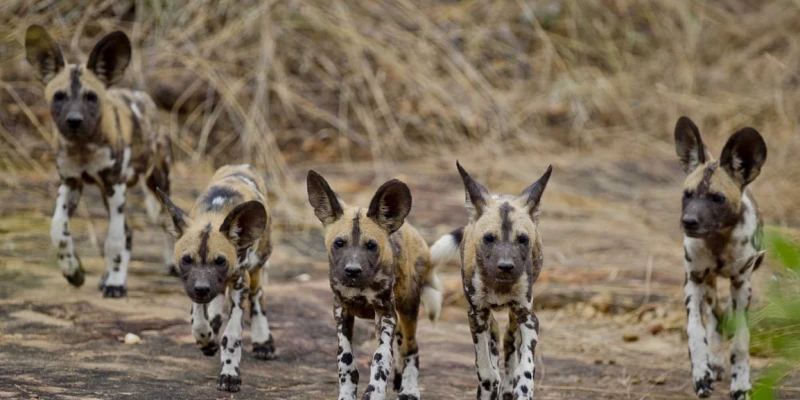
- occasional African wild dog encounters
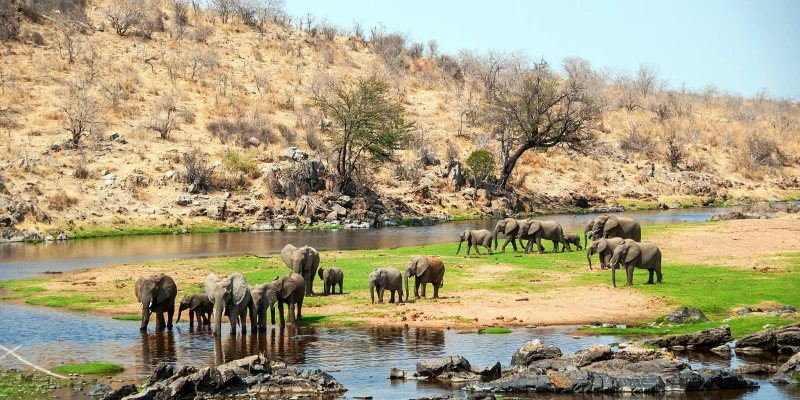
The dry ecosystem creates excellent visibility for predator tracking, especially during the dry season when wildlife concentrates around remaining water sources.
Predator behavior in Ruaha feels highly natural because:
- territories are enormous
- tourist density remains low
- sightings are rarely overcrowded by vehicles
Nyerere also supports predators, including lions, leopards, hyenas, and wild dogs, but the safari experience there is less predator-centered and more ecosystem-focused overall.
Boat Safaris and Water-Based Exploration
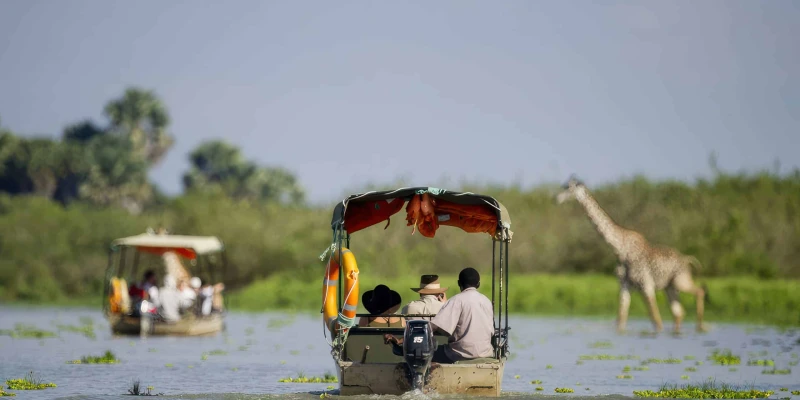
One of the defining advantages of Nyerere National Park is the opportunity for boat safaris.
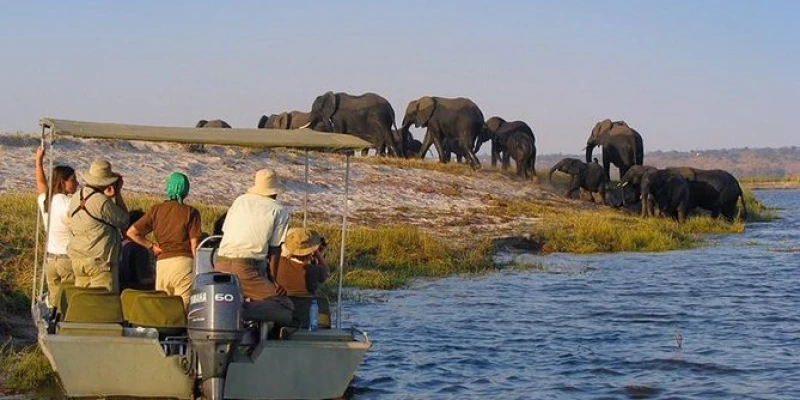
Unlike Ruaha, where safaris are primarily land-based, Nyerere allows travelers to explore wildlife directly from the Rufiji River system. This creates a completely different perspective of the ecosystem.
Boat safaris commonly include:
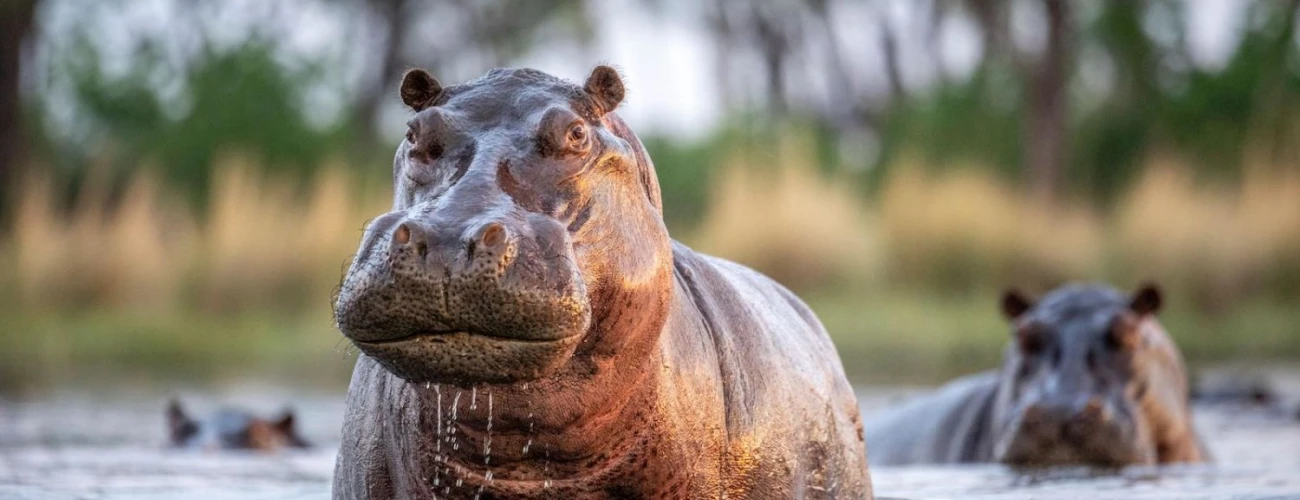
- hippo pools
- crocodiles along riverbanks
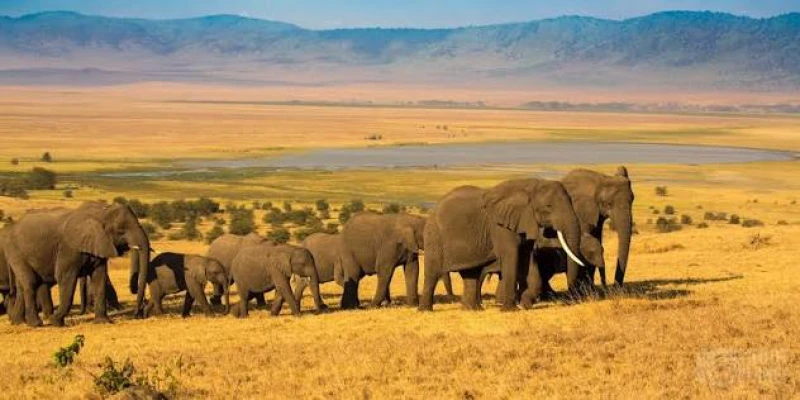
- elephants drinking at water edges
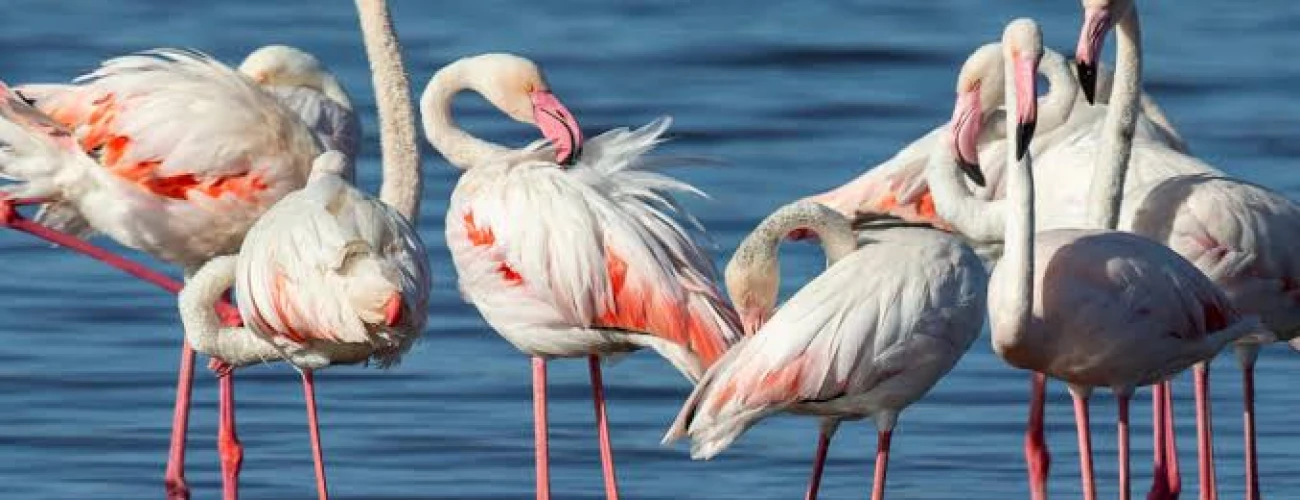
- birdlife across wetland systems
- sunset safaris through river channels
This makes Nyerere one of the few safari destinations in Tanzania where water-based wildlife viewing becomes a central part of the experience.
For travelers seeking more safari variety beyond traditional game drives, Nyerere often becomes the preferred choice.
Wildlife Viewing Style and Safari Rhythm
Ruaha and Nyerere both offer exceptional wildlife experiences, but the viewing style differs significantly.
In Ruaha, wildlife encounters often feel more concentrated and intense. The dry conditions naturally pull animals toward rivers and water systems, increasing predator-prey interaction and improving visibility.
Game drives in Ruaha tend to feel:
- more action-oriented
- more predator-focused
- more dramatic during dry season months
In Nyerere, wildlife is more dispersed across massive river and woodland ecosystems. The safari rhythm feels slower, more exploratory, and more immersive in terms of landscape experience.
Nyerere emphasizes:
- ecosystem immersion
- scenic exploration
- river environments
- quieter wildlife observation
rather than constant predator tracking.
Walking Safaris and Wilderness Immersion
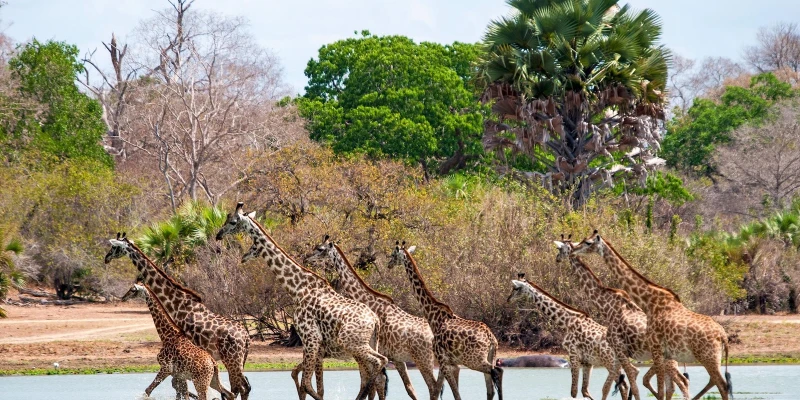
Southern Tanzania is internationally respected for walking safaris, and both parks offer strong opportunities for guided wilderness walks.
Walking safaris focus on:
- animal tracks
- ecosystem interpretation
- bird calls and smaller wildlife
- plant survival systems
- bush awareness from ground level
In Ruaha, walking safaris often feel more intense due to the stronger predator atmosphere and rugged terrain.
In Nyerere, walking safaris feel calmer and more connected to riverine ecosystems and woodland environments.
Both experiences offer a deeper understanding of the wilderness beyond vehicle-based safaris.
Birdlife and Ecological Diversity
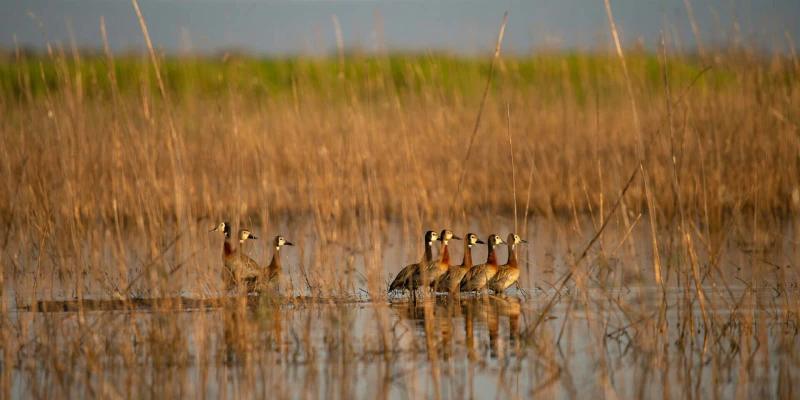
Nyerere generally offers stronger birdwatching opportunities because of its wetland and river ecosystems.
Travelers commonly encounter:
- African fish eagles
- kingfishers
- bee-eaters
- storks and herons
- pelicans
- water-associated bird species
Ruaha also supports rich birdlife, but its ecosystem is more strongly associated with terrestrial wildlife and predator dynamics than wetland bird concentrations.
For dedicated birdwatchers, Nyerere usually provides greater ecological diversity.
Tourist Density and Safari Exclusivity
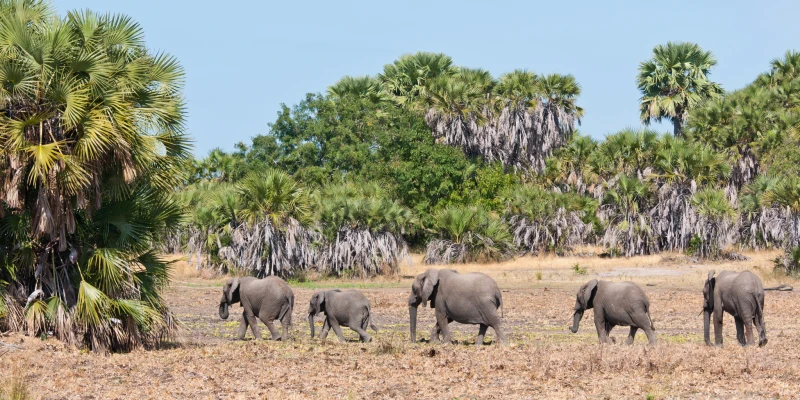
One of the strongest advantages of both parks is low tourist density compared to northern Tanzania safari circuits.
However, Ruaha often feels:
- more remote
- more rugged
- more isolated
- more wilderness-driven
Nyerere feels:
- more relaxed
- more scenic
- more exploratory
- more activity-diverse due to river safaris
Travelers seeking complete safari isolation often prefer Ruaha, while those seeking balanced wilderness with varied activities may lean toward Nyerere.
Best Time to Visit
The dry season from June to October is generally considered the best safari period for both parks.
During this time:
- wildlife visibility improves
- water sources attract animals
- road access becomes easier
- safari conditions become more predictable
The green season offers lush landscapes and excellent bird activity, although rainfall can affect access in some remote areas.
Which Safari Destination Is Right for You?
Ruaha is ideal for travelers seeking:
- predator-focused safaris
- dramatic dry-season landscapes
- intense wildlife encounters
- remote wilderness conditions
- fewer vehicles during sightings
Nyerere is ideal for travelers seeking:
- boat safaris
- river ecosystems
- birdwatching experiences
- relaxed exploration
- varied safari activities beyond game drives
The choice depends less on which park is “better” and more on the type of wilderness experience travelers want most.
Final Perspective on Southern Tanzania Safaris
Ruaha and Nyerere represent two very different interpretations of African wilderness.
Ruaha delivers intensity, predators, rugged landscapes, and dramatic safari energy.
Nyerere delivers rivers, exploration, scenic ecosystems, and immersive safari diversity.
Together, they form one of Africa’s strongest and least commercialized safari regions.
Are You Ready for a Southern Tanzania Safari Experience Designed Around True Wilderness, Low Crowds, and Authentic Wildlife Encounters?
Contact Jasiri Safaris and start planning your southern Tanzania safari adventure today.
Discover More
Loved this safari story?
Join our exclusive list for luxury travel guides & hidden gems.