
 French
 German
 Spanish
 Italian
 Dutch
Dutch
 Chinese (Simplified)
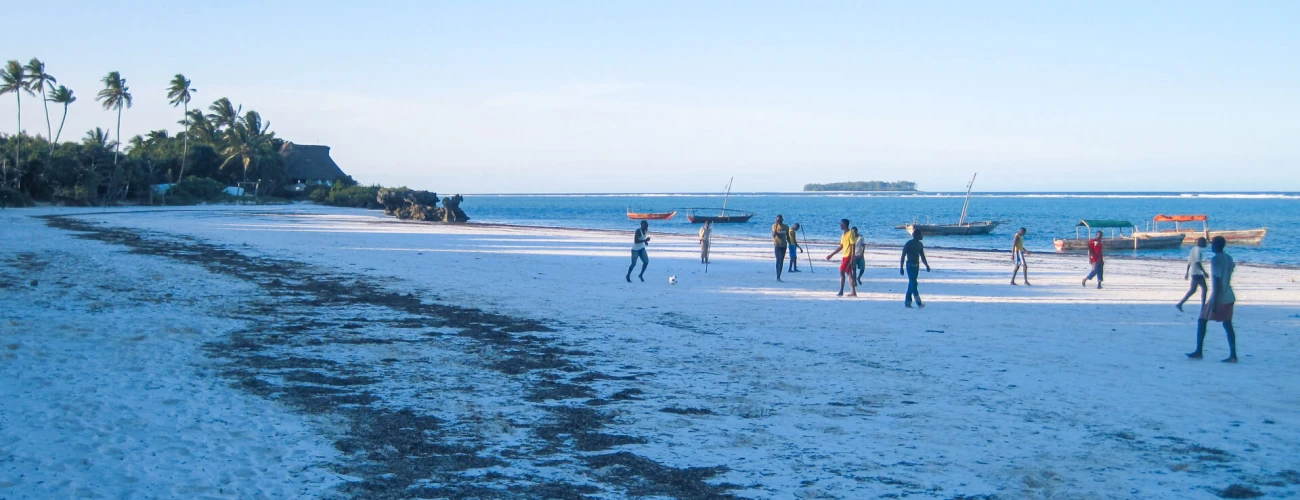
When Is the Best Time to Visit Zanzibar?
Zanzibar is often described as a
year-round destination, but in reality, the experience varies significantly
depending on when you visit. Weather patterns, ocean conditions, humidity
levels, and tourism demand all influence what a traveler will experience on the
ground. Choosing the right time is not just about convenience, it is about
maximizing value, comfort, and overall satisfaction.
Zanzibar operates under a tropical
monsoon climate, creating distinct travel periods that directly shape the
quality of a trip. Understanding these seasons allows travelers to plan with
precision rather than assumption.
June to October

From June to October, Zanzibar
enters its most stable period. Temperatures range between 25°C and 28°C,
humidity is low, and rainfall is minimal. The presence of a steady ocean breeze
creates a comfortable environment for both inland and coastal exploration.
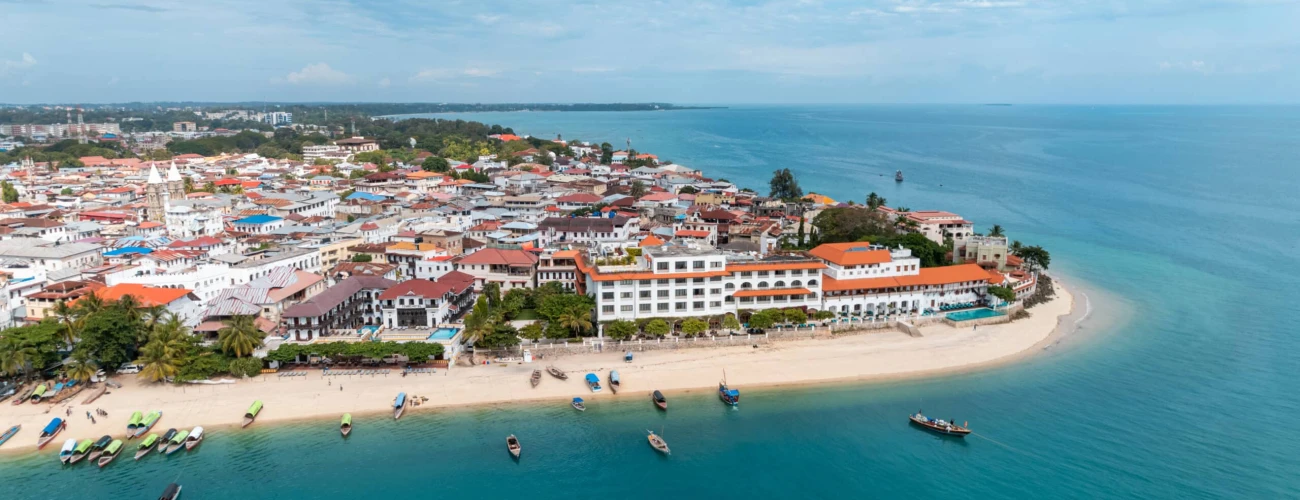
This is the best time for cultural
experiences. Walking through Stone Town becomes efficient and enjoyable,
allowing travelers to explore historical architecture, local markets, and
Swahili culture without heat fatigue.
Beach conditions are highly
favorable, particularly along the northern coast. Areas such as Nungwi Beach
offer consistent swimming throughout the day due to limited tidal variation.
The ocean remains calm, and underwater visibility often exceeds 20 meters,
making this period ideal for snorkeling and diving.
This is also the peak travel season.
International demand is high, accommodation prices increase, and availability
becomes limited. Booking at least 2–4 months in advance is strongly
recommended, especially for premium beachfront properties.
December to February
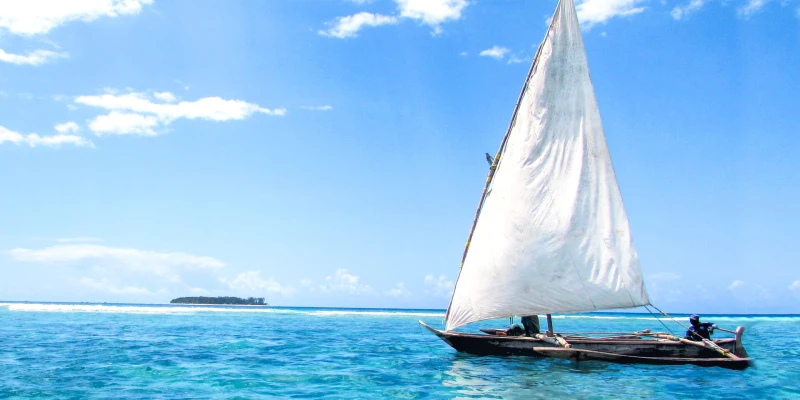
Between December and February,
Zanzibar experiences a hot, dry season. Temperatures rise to between 28°C and
32°C, and humidity becomes more noticeable. Despite this, the absence of rain
and warm ocean temperatures create excellent conditions for water-based
activities.
This period offers some of the best
underwater visibility of the year. The ocean reaches optimal clarity, making it
ideal for diving, snorkeling, and marine photography. Water temperatures
average between 27°C and 29°C, allowing for longer and more comfortable time in
the sea.
The island becomes more vibrant
during this time, particularly around festive periods. Beach environments are
more active, and the overall atmosphere is energetic. However, demand increases
significantly, and prices remain high, especially during Christmas and New
Year.
March to May
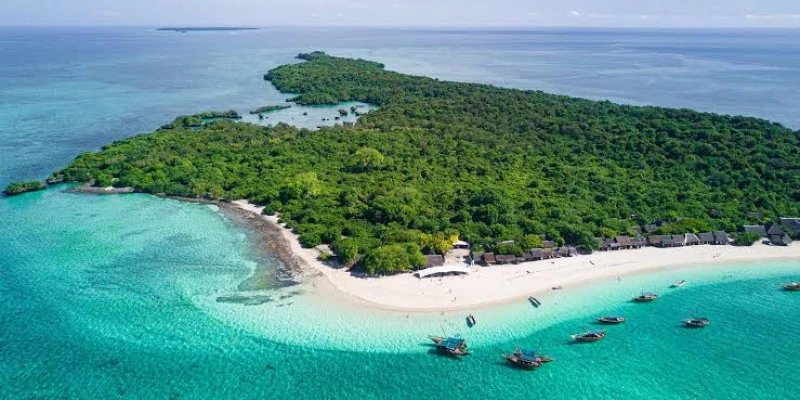
From March to May, Zanzibar
experiences its long rainy season. Rainfall is heavy and often prolonged,
sometimes lasting for extended periods. Humidity is high, and sunshine becomes
inconsistent.
These conditions affect most travel
activities. Beach experiences can be unpredictable, ocean conditions may be
rough, and underwater visibility decreases. Some hotels and resorts temporarily
close for maintenance during this time.
However, this period offers the
lowest travel costs. Accommodation prices can drop by up to 50%, and the island
becomes quieter, providing a more private and less crowded experience. The
landscape also becomes lush and green.
This season is best suited for
budget travelers or those with flexible schedules who are less dependent on
perfect weather conditions.
November
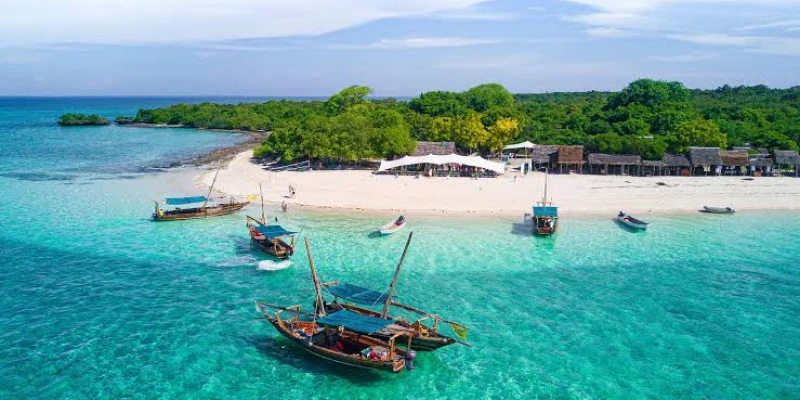
November is characterized by short
rains, which are typically brief and intermittent. Unlike the long rainy
season, rainfall does not dominate the entire day, allowing most activities to
continue.
Temperatures remain warm, and while
humidity increases slightly, the overall experience remains manageable.
Beaches, cultural tours, and excursions are still accessible.
Visitor numbers are lower during
this period, creating a more relaxed atmosphere. Pricing is also more moderate,
making it a strategic option for travelers seeking value without significantly
compromising on conditions.
Aligning Zanzibar with a Safari Experience
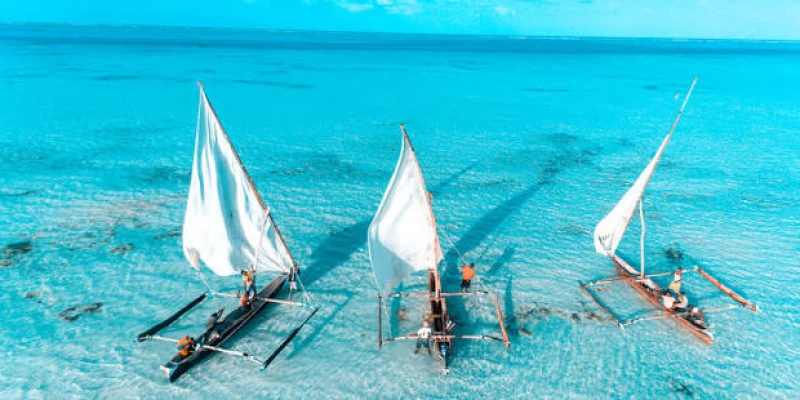
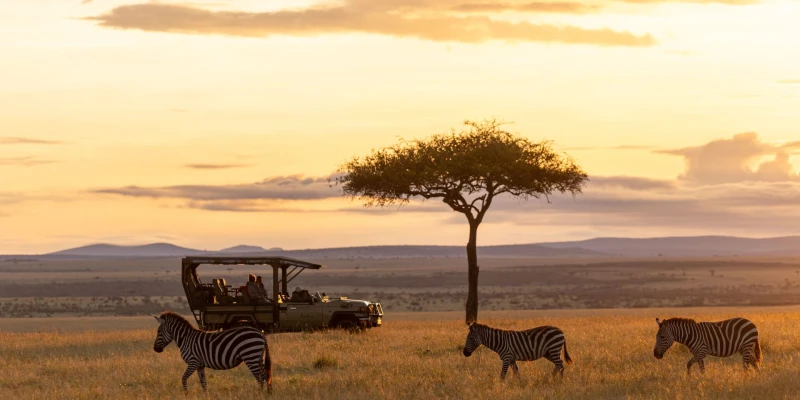
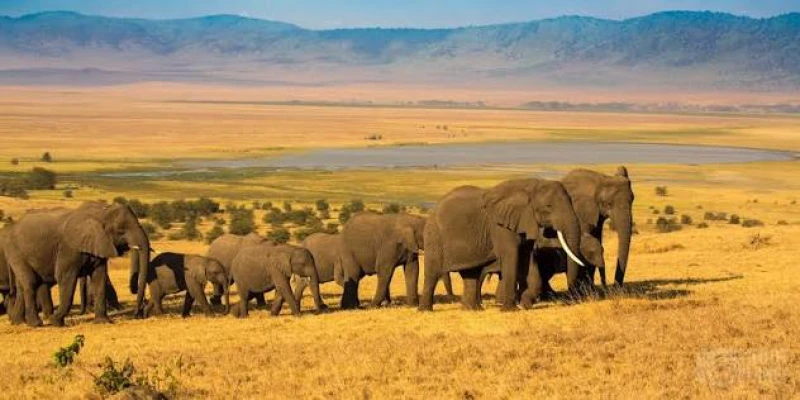
For travelers combining Zanzibar
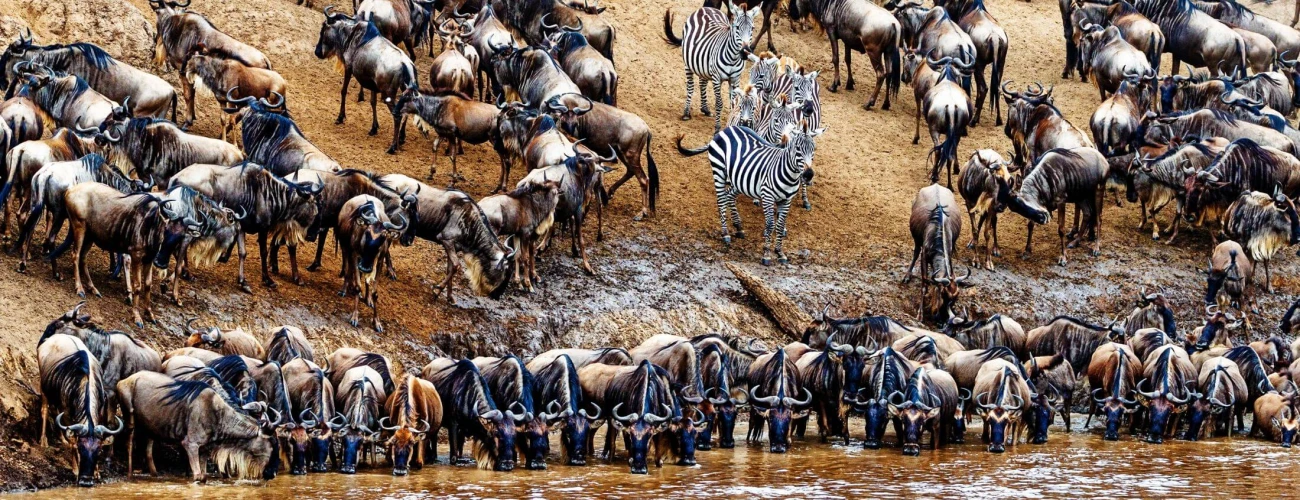
with a safari, timing becomes even more important. The peak safari season in
Serengeti National Park occurs between June and October, particularly during
the Great Migration.
Aligning a Zanzibar visit with this
period allows for a seamless transition from wildlife exploration to coastal
relaxation. This combination is one of the most effective and in-demand travel
experiences in East Africa.
Zanzibar offers distinct advantages
across different times of the year. June to October provides the most stable
and comfortable conditions. December to February delivers strong marine
visibility and a vibrant atmosphere. March to May offers cost savings but comes
with weather limitations. November presents a balanced option with moderate
pricing and manageable conditions.
Choosing the right time is a
strategic decision that directly impacts the quality of the entire experience.
Are you ready for a Zanzibar experience designed with precision, not guesswork?
Are you ready for a Zanzibar journey
where every detail from timing to location is carefully planned to match your
expectations?
Are you ready for a Zanzibar escape
that combines the right season, the right experiences, and the right level of
comfort?
Contact the Jasiri Safaris team
today to start planning your trip. Our team will guide you on the best time to
travel, recommend the most suitable locations, and design a personalized
itinerary that ensures your Zanzibar experience is seamless, efficient, and
unforgettable.
Discover More
Loved this safari story?
Join our exclusive list for luxury travel guides & hidden gems.